
Smart Battery Systems: The Future of Home Energy in Australia
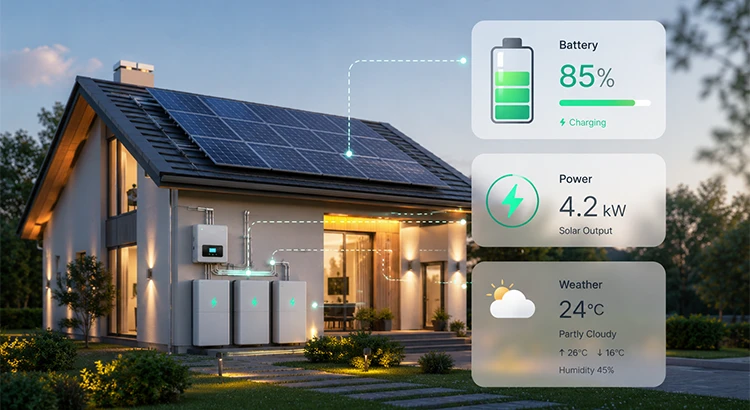
Australia’s clean energy landscape is undergoing a significant transformation. While rooftop solar panels have long been a common sight across the country, the focus is now shifting toward how households store, manage, and deploy that captured power. Smart battery systems are emerging as the central command post of modern residential energy.
These systems seamlessly coordinate solar production, grid interaction, electric vehicle charging, and virtual power plant participation. For Australian homeowners, this shift brings an effortless path to lower electricity costs and enhanced comfort without requiring constant manual oversight.
What Defines a “Smart” Battery?
Unlike traditional storage units that merely hold excess power, a smart battery utilizes advanced software alongside its physical components. This technology anticipates household consumption patterns, forecasts solar generation, and tracks electricity tariffs to determine the most cost-effective times to charge or discharge.
Through cloud connectivity, users gain access to real-time performance insights and remote software updates. Furthermore, integration with broader home energy management setups allows the battery to communicate with appliances such as hot-water systems and electric vehicle chargers. This intelligence enables the system to adapt to shifting energy prices and changing weather conditions automatically.
Seamless Integration: Solar, EVs, and the Electricity Grid
When properly configured, a smart battery effectively transforms a residential property into a small, highly adaptable power station. In tandem with solar panels, the system prioritizes self-consumption by storing energy during peak daylight hours when household demand is low. When an electric vehicle is introduced, intelligent scheduling ensures that charging aligns with surplus solar generation or low off-peak electricity tariffs.
When connected to the wider grid, these batteries can participate in Virtual Power Plants and demand-response initiatives. This allows homeowners to export power during periods of peak grid stress in exchange for financial credits, which helps stabilize the national network while lowering household bills.
A Crucial Turning Point for Australian Households
The accelerating adoption of intelligent storage solutions is driven by several converging factors. Government policies and dedicated battery rebates are expanding across various states, making installation more financially attractive. Simultaneously, global manufacturing advancements are lowering the cost of battery hardware on a per-kilowatt-hour basis.
Because Australia already leads the world in rooftop solar adoption, the local market is perfectly positioned to embrace this next phase of distributed energy. Together, these elements make advanced storage systems highly practical and valuable for both individual consumers and the broader grid.
Designing a System for Tomorrow
To extract maximum value from this technology, careful system design is crucial. The planning process must begin with a comprehensive analysis of household energy consumption, peak usage periods, and future lifestyle changes like installing a pool or purchasing an electric vehicle.
Storage capacity needs to be balanced against both daily usage and the size of the existing solar array to ensure the battery can charge fully. Homeowners should also look for modular options that allow for easy expansion as energy needs grow. Selecting open, standards-aligned hardware ensures the setup remains adaptable to evolving tariffs and new incentives.
Data, Monitoring, and the Daily Experience
The ongoing value of a smart energy system relies heavily on its user interface and monitoring capabilities. A high-quality platform provides clear visibility into real-time energy flows, showing exactly how power moves between the solar panels, the battery, and the grid.
Historical data reports allow residents to track their level of self-sufficiency and financial savings over weeks or months. Intuitive controls make it easy to adjust backup power reserves or manage participation in energy programs. This detailed tracking eliminates the guesswork, allowing the system to optimize home energy quietly in the background.
Practical Steps to Transition Your Home
Embarking on the journey toward an automated home energy setup requires a methodical approach. Homeowners should start by reviewing their recent electricity bills and identifying future energy needs, such as converting gas appliances to electric options.
The next step is to request a customized design from Fritts Solar, seeking a comprehensive proposal that details different battery capacities, features, and projected financial returns. Ensure that all available state and federal incentives are incorporated into the financial model to reflect the true payback period. Finally, design the system with future expansion in mind to secure long-term flexibility and ongoing savings.