
Solar Battery vs Grid Power: Which Works Best for You?
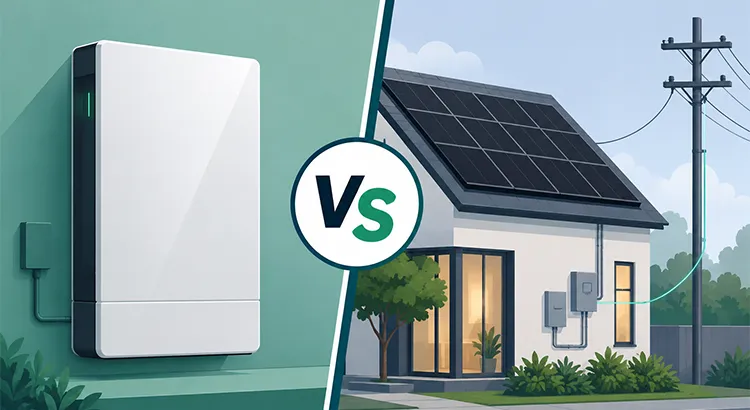
For many Australian homeowners, choosing between a solar battery and grid power has become an important decision. With electricity costs continuing to affect household budgets, more people are looking for ways to use energy more efficiently and reduce their reliance on the grid.
A solar battery allows you to store excess solar energy generated during the day and use it later when your solar panels are not producing power. Grid power, meanwhile, remains a convenient and reliable source of electricity whenever you need it. So, which option works best for you? The answer depends on your electricity usage, solar system, budget, and energy goals.
Lower Your Power Bills
One of the biggest reasons homeowners consider a solar battery is the potential to reduce their electricity bills. Without a battery, excess electricity generated by your solar panels during the day may be exported to the grid. When your household needs electricity at night, you may then need to purchase power from the grid.
A solar battery can change the way you use your solar energy. Instead of sending all your excess electricity to the grid, you can store some of it and use it later. This can be particularly useful for households that use more electricity in the evening.
Grid power can still be useful when your solar and battery system cannot meet your household demand. However, reducing the amount of electricity you need to purchase from the grid can help lower your ongoing energy costs. The actual savings will depend on your electricity usage, solar generation, battery size, and energy rates.
Use More of Your Solar Power
Solar panels generate most of their electricity during the day. However, many households use a significant amount of electricity after the sun goes down. This can create a gap between when your solar system produces electricity and when your home needs it.
A battery helps bridge that gap. It stores excess solar energy during the day so you can use it during the evening or at other times when solar production is low. This allows you to get more value from the electricity your solar system generates.
For example, your solar panels may produce more electricity than your home needs while everyone is away during the day. Instead of exporting all that excess energy, a battery can store some of it for use when the household is active later in the day.
Greater Energy Independence
Relying entirely on grid power means your home depends on the electricity network for its energy supply. Solar panels already reduce this dependence by generating electricity at your property. Adding a battery can take this a step further by allowing you to store your own solar energy.
This can give you greater control over how and when you use electricity. You can generate power during the day, store excess energy, and use it when required instead of purchasing as much electricity from the grid.
However, having a solar battery does not mean you have to stop using grid power completely. There may be times when your household needs more electricity than your solar and battery system can provide. The grid can continue to supply the additional power when needed.
Backup During Power Outages
Another benefit of some solar battery systems is backup power. Grid-connected homes can lose their electricity supply during a power outage. Depending on the battery and system configuration, a solar battery may be able to provide backup power to selected circuits or appliances.
This can be useful for households that want additional protection during outages. Essential equipment, lighting, refrigeration, and other important appliances may be able to continue operating when the grid is unavailable.
However, not every battery system provides backup power automatically. The battery, inverter, and electrical installation need to be configured for this purpose. If backup power is important to you, it is worth discussing this requirement before choosing a system.
Environmental Benefits
Solar batteries can also help households make greater use of renewable energy. Solar power is generated from sunlight, giving homeowners an opportunity to reduce their reliance on conventional electricity sources.
By storing excess solar energy and using it later, you can increase the amount of renewable energy used within your home. This can reduce your dependence on electricity from the grid and help lower the environmental impact associated with your household energy consumption.
For environmentally conscious homeowners, battery storage can therefore be more than a way to manage electricity bills. It can also support a greater shift towards renewable energy.
Is Grid Power Still a Good Option?
Yes. Grid power continues to provide an important role even when you have solar and battery storage. It provides access to electricity when your solar panels are not generating enough energy and when your battery does not have enough stored power.
A battery also comes with an upfront purchase and installation cost. This means you need to consider whether the expected savings and other benefits make the investment worthwhile for your household.
For some homeowners, continuing to rely on grid power may make sense. For others, adding a battery can provide significant benefits. The right choice depends on how much electricity you use, when you use it, and how much solar energy your property can generate.
Solar Battery and Grid Power Can Work Together
You do not necessarily have to choose between a solar battery and grid power. In many homes, using both can provide a practical energy solution.
Your solar panels can generate electricity during the day, while your battery stores suitable excess energy. You can then use that stored energy when solar production falls. If your household needs more electricity than your solar and battery system can provide, the grid can supply the difference.
This approach can reduce your dependence on the grid without requiring you to disconnect from it. It gives you the flexibility to use your own renewable energy while keeping grid power available when required.
Which One Works Best for You?
There is no single answer that works for every household. If you use most of your electricity during the day, your solar panels may already be meeting a large part of your energy needs. If you use a lot of electricity in the evening, a battery could help you make better use of the solar energy generated during the day.
Your existing solar system, electricity consumption, battery requirements, budget, and long-term goals should all be considered before making a decision. The right battery should also be sized according to your actual energy needs rather than simply choosing the largest available option.
For many Australian homeowners, the best approach is to use solar power and battery storage to reduce grid dependence while keeping the grid available as a reliable backup. This can provide a balance between energy independence, cost savings, and convenience.
Make the Most of Your Solar Investment
Choosing the right combination of solar, battery storage, and grid power can help you make better use of the energy your system produces while reducing unnecessary grid reliance. As an experienced solar company in Perth, Fritts Solar can help you understand both solar battery and grid-connected options and recommend a solution suited to your energy needs, property, and budget. Reach out to us today to discuss your requirements and find a smarter way to manage your energy.