
How to Electrify Your Perth Home
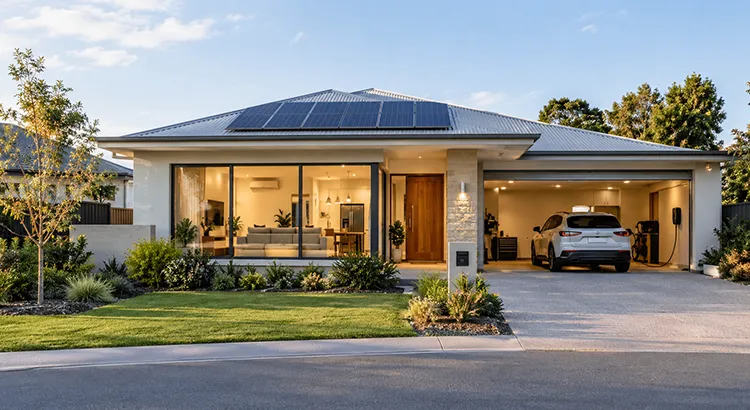
Electrifying your Perth home can help reduce energy bills, lower reliance on gas and petrol, and make better use of Western Australia’s abundant sunshine. By replacing gas appliances with efficient electric alternatives and combining them with rooftop solar, battery storage and electric vehicle (EV) charging, you can gradually move towards a more energy-efficient home.
In 2026, government incentives, solar technology and smart energy management options make home electrification worth considering for many Perth households. However, the best results depend on choosing the right equipment, understanding your energy usage and planning upgrades in the right order.
This guide covers the main steps involved in electrifying your home, estimated costs and potential savings, and how to plan your upgrades effectively.
What Does It Mean to Electrify Your Perth Home?
Home electrification means replacing appliances that use fossil fuels with efficient electric alternatives. For a typical Perth household, this can involve installing rooftop solar panels, adding a home battery, switching to an electric vehicle, and replacing gas hot water with a heat-pump system.
Induction cooking and reverse-cycle air conditioning can also form part of the transition. The goal is to use electricity instead of gas and petrol wherever practical, with rooftop solar supplying a significant portion of your energy needs.
A well-planned all-electric home can reduce dependence on grid electricity, avoid ongoing gas supply charges after disconnection, and lower transport costs when an EV replaces a petrol vehicle. Actual savings depend on household consumption, equipment costs, electricity tariffs and how effectively you use your own solar generation.
Why 2026 Is a Good Time to Consider Home Electrification
Several factors make 2026 a useful time for Perth homeowners to review their energy systems.
- Battery incentives: Eligible households may be able to combine the WA Residential Battery Scheme with the federal Cheaper Home Batteries Program. The available benefit depends on the electricity provider, battery capacity and eligibility requirements.
- Solar incentives: Small-scale Technology Certificates (STCs) can reduce the upfront cost of eligible solar installations. Eligible heat-pump hot water systems may also receive incentives.
- Financing options: Eligible households may be able to access interest-free loans of up to $10,000 through the WA Government’s battery financing arrangements.
- Changing energy costs: Electricity import rates can be considerably higher than solar feed-in tariffs. Using solar electricity at home can therefore be more valuable than exporting it to the grid for a small credit.
Incentives, eligibility criteria and tariffs can change. Check the current terms before making an investment decision.
Steps to Electrify Your Perth Home
Electrifying your home is easier when you approach it as a planned series of upgrades rather than replacing every appliance at once. Start with solar generation, then consider battery storage, EV charging and efficient hot water. The right sequence depends on your existing electrical system, household energy use and future plans.
Step 1: Install Rooftop Solar Panels
Solar panels are the foundation of home electrification. Perth receives abundant sunshine, making rooftop solar a practical way to generate electricity for household appliances, battery storage, hot water and EV charging.
For a household consuming around 20–25 kWh of electricity daily, a 10–13 kW solar system may be a suitable starting point. The final size should account for roof space, daytime consumption, future electric appliances and grid connection limits.
A quality 10 kW solar system typically costs around $8,000–$12,000 after applicable STC incentives, depending on the equipment and installation requirements.
Before installing, check whether your property has single-phase or three-phase power. Single-phase homes may face a 5 kW inverter limit under applicable connection requirements, so larger systems may require an export-limited configuration or other approved arrangements.
Step 2: Add a Home Battery
Solar panels generate most of their electricity during daylight hours, while many households use more power in the evening. A home battery stores surplus solar energy for use after sunset, reducing the amount of electricity purchased from the grid.
A 10–13 kWh battery can suit some households, although the right capacity depends on evening consumption, air conditioning, cooking habits and other electrical loads.
A battery typically costs $12,000–$15,000 before incentives. Eligible households may reduce this cost through the WA Residential Battery Scheme and federal battery incentives. State scheme rebates require participation in an approved Virtual Power Plant (VPP), along with other eligibility conditions.
A battery is most useful when it stores electricity that would otherwise be exported at a low feed-in tariff and supplies the home when grid electricity costs more. Its financial return depends on usage patterns, tariffs, battery efficiency and the upfront price.
Step 3: Install an EV Charger
An electric vehicle can reduce transport costs, particularly when charged using surplus rooftop solar. A dedicated Level 2 home charger provides faster charging than a standard household outlet and may include smart scheduling features.
A single-phase charger typically costs $1,500–$2,500 installed, while a three-phase unit can cost $2,500–$4,000. The final price depends on the charger, cable distance, switchboard capacity and installation complexity.
Where possible, schedule charging between late morning and early afternoon, when solar generation is usually strongest. A compatible smart charger can adjust charging to available solar surplus and reduce unnecessary grid consumption.
For a vehicle travelling 15,000 km annually, charging from excess solar could cost substantially less than buying petrol. Actual savings depend on vehicle efficiency, petrol prices, charging losses and how much electricity comes from solar rather than the grid.
Step 4: Replace Gas Hot Water With a Heat Pump
Hot water is a significant household energy demand and can be one of the last obstacles to disconnecting gas. A heat-pump hot water system uses electricity to transfer heat rather than generating heat directly, making it considerably more efficient than conventional electric resistance heating.
A typical installed system costs $3,000–$5,000 before applicable incentives. Eligible STCs can reduce the upfront expense, with the final benefit depending on the system and current certificate values.
Scheduling the heat pump to operate during peak solar generation helps use more of your own electricity. Once hot water and cooking are electric, you can assess whether disconnecting the gas supply makes financial sense. Avoiding a gas daily supply charge can save around $365 annually if the charge is approximately $1 per day, before considering disconnection costs.
How Much Does It Cost to Electrify a Perth Home?
The following estimates illustrate the potential cost of upgrading a typical household. They are indicative rather than guaranteed prices or savings.
| Upgrade | Typical Cost | Available Incentives | Estimated Net Cost | Potential Annual Saving |
| 10 kW solar system | $8,000–$12,000 | STCs: $3,000–$4,000 | $5,000–$8,000 | $1,800–$2,400 |
| 10 kWh battery | $12,000–$15,000 | State and federal battery incentives | $7,000–$10,000 | $800–$1,200 |
| Level 2 EV charger | $1,500–$3,500 | No charger rebate assumed | $1,500–$3,500 | $1,500–$2,000 in petrol avoided |
| Heat-pump hot water | $3,000–$5,000 | STCs: approximately $800–$1,000 | $2,000–$4,000 | $600–$900 |
Note: All figures are indicative estimates for 2026 and may vary depending on equipment selection, installation requirements, household energy usage and rebate eligibility. Actual costs, savings and payback periods will differ.
Based on these estimates, the combined net investment could range from approximately $15,500 to $25,500, with potential annual savings of $4,700–$6,500. These figures are illustrative and should not be treated as guaranteed outcomes. Savings may overlap, and actual results depend on household circumstances.
A four-to-five-year payback may be possible under favourable assumptions, but it is not assured. Financing costs, equipment replacement, maintenance, electricity price changes and actual energy consumption all affect the result.
For a complete guide to making your home more energy-efficient, read Home Electrification: Upgrading Your Appliances for Efficiency.
Conclusion: Making Your Perth Home More Energy Efficient
Electrifying your Perth home is a practical way to reduce reliance on gas, petrol and grid electricity. Rooftop solar provides the foundation, battery storage makes solar energy available after sunset, smart EV charging can reduce transport expenses, and heat-pump hot water helps replace gas consumption.
The best approach is to assess your household’s energy use, choose appropriately sized equipment and plan the upgrades in a sensible order. Compare installation quotes, check current incentives and consider the total cost rather than focusing only on rebates or projected savings. With careful planning, you can build a more efficient all-electric home while managing upfront costs and making better use of Perth’s abundant sunshine.
Need a Solar Company in Perth to Get Started?
Fritts Solar is a trusted solar company in Perth, helping homeowners switch to solar energy with quality solar panels, batteries and inverters. We can help you find the right solar solution for your home and future energy needs. Get a solar quote today and take the first step towards an energy-efficient home.