
Solar Sharer Offer: The New Free Midday Power Initiative Explained
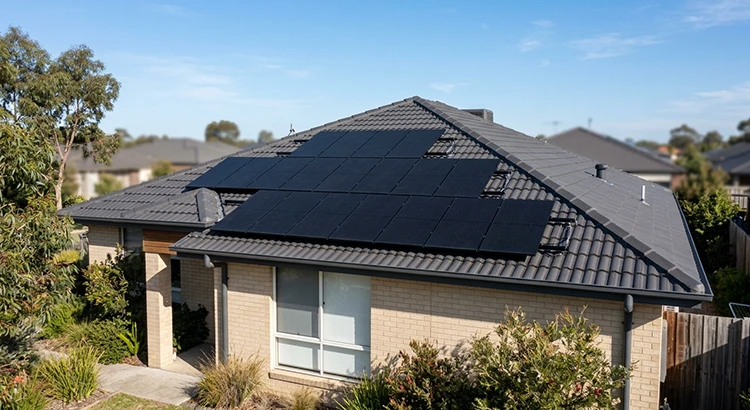
The Solar Sharer Offer (SSO) is a new regulated energy plan launching across New South Wales, South-East Queensland, and South Australia on 1 July 2026.
Introduced by the Australian Energy Regulator (AER) as part of reforms to the Default Market Offer (DMO), this scheme promises three hours of free electricity every single day in the middle of the day. On the surface, three hours of zero-cost power sounds like an unbeatable deal, but the reality is a bit more nuanced.
Whether this program slashes your power bill or accidentally inflates it depends entirely on your home hardware, your daily routine, and your ability to shift your energy usage.
Why is the Government Offering Free Power?
The Solar Sharer Offer is a direct structural response to a massive shift in Australia’s energy grid. With more than 4 million rooftop solar systems across the nation, the grid regularly faces a massive oversupply of electricity during peak sunlight hours.
This midday surge regularly pushes wholesale electricity prices down to zero or even negative levels. In many instances, large-scale utility solar farms are forced to curtail or switch off generation simply because there is not enough demand to absorb the abundance of renewable energy.
The goal of the SSO is to share the benefits of this abundant renewable energy more equitably, spread demand away from strained evening peak times, and encourage households to soak up electricity when it is cheapest and most plentiful.
How the Offer Works Under the Hood
The SSO is an optional, opt-in standing offer. No consumer will be forced onto it automatically, and retailers are legally prohibited from defaulting customers onto it at the end of a contract.
Any energy retailer with more than 1,000 customers in the specified DMO regions is required by law to offer at least one residential plan that complies with the scheme.
The AER has locked in fixed, year-round time blocks based on local time. These windows do not shift with daylight savings from a customer perspective:
- New South Wales and South-East Queensland: 11:00 am to 2:00 pm (AEST/AEDT)
- South Australia: 12:00 pm to 3:00 pm (ACST/ACDT)
- Varying Time Zones: For unique regional footprints like parts of the Essential Energy network that cross into different state time zones, the window always initiates at 11:00 am local time.
The 24 kWh Daily Cap
While the power is free during these three hours, it is not an open checkbook. The scheme implements a 24 kWh daily cap per household. If your home exceeds 24 kWh of consumption within that specific three-hour block, your retailer will charge you a reasonable usage rate set by the AER for any electricity consumed above that limit.
The Hidden Catch: Understanding the Tariff Structure
Free power during lunch does not mean your entire electricity bill drops to zero. Energy retailers still need to recover their operational and network costs.
To make the SSO practical, the AER did not invent a completely new cost structure. Instead, they utilized the existing Time of Use (ToU) DMO tariff cost stack, estimated the forgone revenue from the free three-hour window, and added those costs directly onto the usage rates outside of the free window.
Because these costs are redistributed, the daily supply charges, evening peak rates, or shoulder rates on an SSO plan are typically higher than a standard flat-rate plan.
The AER’s final determination highlights the specific baseline structures across major networks:
| Distribution Network | Region | Daily Supply Charge | Free Window | Peak Usage Charge | Off-Peak / Shoulder / Other |
| Ausgrid | NSW | 176 c/day | 11 am to 2 pm | 64 c/kWh | 28 c/kWh |
| Endeavour Energy | NSW | 185 c/day | 11 am to 2 pm | 49 c/kWh | 38 c/kWh / 14 c/kWh (Solar Soak) |
| Essential Energy | NSW | 272 c/day | 11 am to 2 pm | 46 c/kWh | 28 c/kWh |
| Energex | SEQ | 178 c/day | 11 am to 2 pm | 49 c/kWh | 26 c/kWh / 8 c/kWh (Solar Soak) |
| SA Power Networks | SA | 180 c/day | 12 pm to 3 pm | 59 c/kWh | 35 c/kWh / 20 c/kWh (Solar Soak) |
Who Actually Wins with the Solar Sharer Offer?
To come out ahead on this plan, a household must shift a minimum of 6 kWh of daily power usage into the free three-hour window. If you cannot move heavy power demands to the middle of the day, the higher rates charged during the morning and evening peaks could easily cancel out your savings or even result in a higher overall bill.
The biggest beneficiaries of the SSO are homes equipped to automate or execute heavy load shifting:
- Battery Owners: Programming a residential solar battery to charge entirely from the grid during the free midday window allows you to discharge that zero-cost power during the expensive evening peak pricing, maximizing financial returns.
- Electric Vehicle Owners: Shifting EV charging to the midday window is highly effective, but your hardware dictates the return. A standard trickle charger will only draw roughly 6 kWh in three hours, just touching the viability baseline. A high-powered 3-phase home charger can pull closer to 30 kWh in the same window, easily maximizing the free 24 kWh allocation.
- High-Load Home Systems: Running energy-intensive home appliances like ducted heating and cooling systems, pool pumps, washing machines, dryers, and dishwashers during the free window via smart timers can eliminate a significant portion of your standard daily billing load.
Important Technical Note: The official government guide points out that certain pool pumps and hot water systems cannot be shifted to the free window if they are physically locked into a dedicated, unalterable controlled load arrangement with the network. Check your meter configuration before making assumptions.
Do You Need Rooftop Solar to Eligible?
No, you do not need to own rooftop solar panels to opt into the Solar Sharer Offer. The program is explicitly designed to extend the environmental and economic benefits of daytime renewable energy to renters, apartment dwellers, and homeowners who cannot install solar panels.
To qualify, a household only needs to meet a few clean parameters:
- Reside in an eligible DMO region (NSW, SA, or South-East Queensland).
- Have a functional smart meter installed to track intervals.
- Ensure the property is not supplied via an isolated embedded network, such as some apartment complexes or commercial sites.
If you do not have a smart meter, you can contact your electricity retailer to request an installation.
Could the Scheme Disincentivize Rooftop Solar?
One point of debate surrounding the SSO is its potential impact on future solar installations. Industry experts worry that marketing “three hours of free grid power everyday” might lead budget-conscious consumers to ask why they should spend thousands on a personal solar array.
However, energy specialists emphasize that personal rooftop solar offers long-term autonomy. A household with its own solar panels generates its own power for far more than three hours a day and retains total freedom to choose from a vast marketplace of competitive electricity plans, including options with significantly lower peak rates and daily supply fees than those attached to the SSO.
Given that Australia needs to scale up large-scale renewable capacity by 65 GW by 2030 to meet current targets, individual solar adoption remains a vital component of the energy transition.
Is the Solar Sharer Offer Right for You?
Before calling your retailer to switch, follow a pragmatic step-by-step approach to make sure the plan fits your lifestyle:
- Review Your Usage Profile: Analyze your current energy bill to pinpoint when your home consumes the absolute most electricity.
- Assess Automation Capability: Determine if your lifestyle allows you to move heavy chores to the middle of the day, or check if your major appliances feature delayed-start timers or smart home integration.
- Run a Comparison: Compare the higher peak and shoulder rates of the SSO plan directly against your current energy rates.
Retailers are legally required to run a “Better Offer” check on consumer bills at least every 100 days using 12 months of historical data. Because the SSO is a generally available plan, it will show up in these automated comparisons. However, these automated retail checks only look at past data. They cannot simulate or predict whether you would save money if you changed your behavior in the future.
The Solar Sharer Offer is an excellent opportunity to capture real bill savings, but it requires active management. If you can successfully move your heaviest energy usage into the designated midday window, the scheme offers a fantastic way to power your home for less.