
The WA Homebuilder’s Guide to Future-Proof Solar
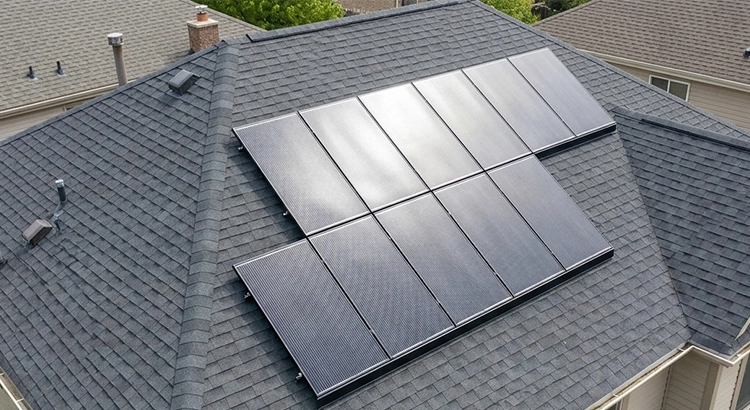
For many Western Australian families building in Perth’s rapidly growing outer suburbs, the distinction between an ordinary property and a truly future-proof residence relies heavily on strategic energy planning during the blueprint phase. Integrating a solar power system into a new build involves looking beyond standard inclusions to focus on structural design, advanced electrical preparation, and expandable technology.
By addressing key energy elements before construction begins, you can transform your new house into a highly efficient, sustainable powerhouse that delivers long-term financial savings.
Integrating a solar power system into a new build involves looking beyond standard inclusions to focus on structural design, advanced electrical preparation, and expandable technology. Working with an experienced solar installer in Perth, WA from the planning stage can help ensure your home is designed for maximum energy efficiency.
Step 1: Pre-Construction — Designing the Ultimate Roof Power Plant
Before finalizing your architectural drawings, it is vital to view your roof as a primary source of clean energy production rather than mere shelter. Implementing smart design choices at this early stage sets the foundation for decades of minimal electricity expenses.
Optimizing Orientation:
To capture the highest volume of sunlight throughout the day, aim to allocate the largest, unobstructed portion of your roof facing north. This positioning maximizes solar generation during peak sunlight hours.
Selecting the Ideal Pitch:
For the specific latitude of Perth, a roof tilt of approximately 30° is considered optimal. This angle ensures the most balanced, high-yield energy production across both winter and summer seasons.
Eliminating Obstructions:
Carefully map out the positioning of roof vents, skylights, chimneys, and antennas during the design phase. Keeping these elements away from your main roof planes prevents unwanted shading and preserves valuable real estate for your solar array.
Making these adjustments during the drafting process requires zero additional construction capital. Conversely, altering a completed roof structure down the track is incredibly costly and often impossible. Treating your roof as a core asset ensures your future-proof strategy starts on solid ground.
Step 2: The Pre-Wire Phase — Strategic Electrical Investments
When creating a forward-compatible home, investing in pre-wiring during the early construction phase is exceptionally cost-effective. It ensures your property can seamlessly accommodate emerging energy technologies without requiring invasive, expensive retrofits in the future.
When reviewing electrical plans with your builder or contractor, ensure the following items are included:
- Battery Ready Conduits: Request the installation of heavy-duty conduit running from your main electrical switchboard to your designated battery location, which is typically the garage or an external utility wall.
- EV Charger Infrastructure: Allocate a dedicated high amperage circuit and conduit leading to your carport or garage. This makes the future installation of an Electric Vehicle charging station a simple plug and play process.
- Smart Meter and Data Cabling: Ensure data communication lines are run directly to your switchboard. This setup supports advanced energy monitoring and allows for smooth integration with sophisticated Home Energy Management Systems (HEMS).
Financial Insight: Allocating roughly $500 for pre-wiring while the wall frames are exposed can save you upwards of $2,000 in labor and structural modifications after the plasterboard has been installed.
Step 3: Superior Hardware Selection — Moving Past Builder Standard Packages
During a new build, it is incredibly tempting to accept the baseline solar packages bundled in with standard construction contracts. However, these basic offerings frequently utilize entry level components that may limit system efficiency, lack smart automation features, and restrict future upgrade options.
| Feature | Builder Standard Package | Future-Proof Solar System |
| Inverter Type | Standard String Inverter | Hybrid Inverter (Battery Ready) |
| Upgrade Paths | Requires costly replacement to add storage | Seamless plug and play battery addition |
| Efficiency Impact | Baseline performance | Optimizes home for 7-star NatHERS ratings |
| Long Term Value | Standard residential asset | Significantly boosts property resale value |
Insisting on a high-quality hybrid inverter from the start is highly beneficial. Even if a physical home battery does not fit into your immediate moving in budget, a hybrid system guarantees your property is ready to store power the moment you choose to buy one.
Furthermore, investing in tier one solar hardware contributes positively to achieving elevated energy efficiency benchmarks, such as the 7-star NatHERS standard, ensuring lower running costs and heightened property market value.
Step 4: Installation Timelines — Why Coordination is Crucial
Achieving a flawless solar integration requires engaging a specialized renewable energy provider early in the piece. The most effective window to initiate this collaboration is immediately following your local council planning approval.
Early engagement allows solar engineers to coordinate directly with your primary builder, site supervisors, and roofing contractors. Aligning the solar installation timeline with the broader construction schedule helps avoid scheduling conflicts, prevents aesthetic compromises, and eliminates hand over delays.
When the trades work in harmony, your solar panels can be safely mounted and commissioned alongside your final electrical hookup. This means your household starts generating clean, independent power from the exact day you receive the keys to your front door.
Build it Once, Build it Right
Crafting a home that balances modern aesthetics with long-term energy resilience depends entirely on the choices made before the first brick is laid.
By optimizing your roof architecture, pre-wiring for upcoming technological shifts, selecting high-tier hardware, and managing your installation schedule carefully, you establish a lifetime of energy independence.
Thoughtful preparation during the design phase is not simply a sustainable choice, it is the most economically sound pathway to building a home that evolves alongside your lifestyle.