
Why Solar Panel Prices Are Increasing in 2026
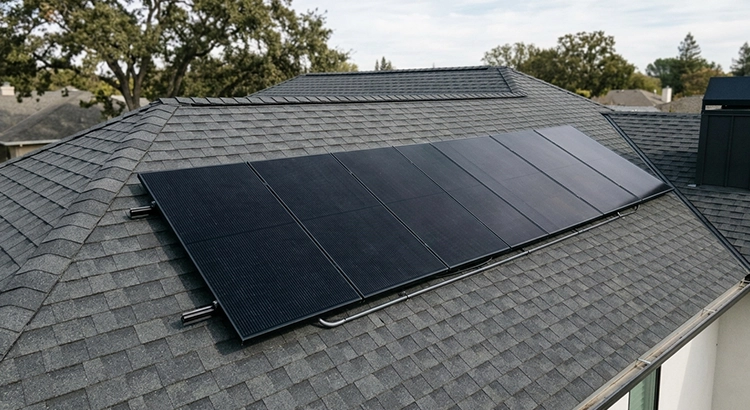
Australia’s solar industry is experiencing noticeable pricing changes in 2026. After several years of highly competitive pricing for solar panels, market conditions are shifting due to rising manufacturing costs, global demand, supply chain pressures, and changes in international trade policies.
Although solar remains one of the most cost-effective ways for households to reduce electricity bills, homeowners may begin to notice gradual increases in system pricing throughout the year. Several global factors are contributing to this trend, particularly because Australia relies heavily on imported solar products.
Why Panel Prices Are Changing
Rising Costs of Key Raw Materials
One of the biggest reasons behind increasing solar panel prices is the higher cost of essential raw materials used in panel manufacturing. Components such as silver, polysilicon, aluminium, and solar glass have all experienced price increases due to growing global demand.
Silver has become especially important in discussions around solar pricing because it is widely used in photovoltaic cell production. As the renewable energy industry expands worldwide, demand for silver continues to rise, putting pressure on manufacturers and suppliers.
Polysilicon, which is a critical material used in solar cells, has also seen supply fluctuations. When the prices of these materials rise, manufacturers typically pass a portion of those costs through the supply chain, eventually affecting end customers.
Changes to Chinese Solar Export Policies
China remains the world’s largest producer of solar panels, supplying a significant share of the products used in Australia. In 2026, changes to Chinese export tax policies are expected to influence global solar pricing.
The removal or reduction of export tax rebates means manufacturers and exporters may no longer receive the same level of financial support from the government when selling products overseas. As a result, exporters are likely to adjust their pricing to compensate for the additional costs.
Since Australia imports most of its solar panels from Chinese manufacturers, these policy changes are expected to contribute to higher import costs across the local market.
Transition to Advanced Solar Technologies
The solar industry is also moving toward newer and more advanced panel technologies. Manufacturers are increasingly producing high-efficiency panels such as TOPCon and other next-generation photovoltaic technologies.
These modern panels offer several benefits, including:
- Higher energy efficiency
- Better long-term performance
- Improved temperature tolerance
- Longer operational lifespan
However, these advanced products are more expensive to manufacture than older panel designs. While homeowners may pay slightly more upfront, they often benefit from improved power generation and better long-term value.
Panel Manufacturers Adjusting Their Pricing
For several years, many solar manufacturers operated with extremely tight profit margins in order to remain competitive in a crowded global market. With production costs increasing across multiple areas, suppliers are now reassessing their pricing structures.
Shipping costs, energy prices, manufacturing expenses, and labour costs have all contributed to the need for pricing adjustments. As a result, installers and distributors are gradually seeing wholesale panel prices rise during 2026.
Other Factors Driving Price Increases
Several additional factors are also contributing to changes in solar panel pricing:
- Polysilicon Supply Constraints: Production limits and supply management within major manufacturing regions can affect global availability and pricing.
- Currency Exchange Fluctuations: Changes in the Australian dollar against major international currencies can impact import costs.
- Growing Global Demand: More countries are rapidly expanding solar adoption, increasing competition for manufacturing capacity and components.
- Shipping and Logistics Costs: International freight and transportation expenses continue to influence product pricing worldwide.
- Energy Storage Demand: Increased demand for batteries and energy storage systems is placing additional pressure on renewable energy supply chains.
What This Means for Australian Households
While solar panel prices are increasing, the overall impact on residential solar installation costs is expected to remain relatively moderate. Panels represent only one part of a complete solar system, with other expenses including inverters, mounting equipment, installation labour, and electrical work.
Even with gradual increases in panel pricing, solar continues to deliver strong long-term savings for Australian households through reduced electricity bills and improved energy independence.
Government rebates and solar incentives available across Australia also continue to help offset installation costs, making solar systems more accessible for homeowners. In many cases, the long-term financial benefits of installing solar still far outweigh the initial investment.
For households considering solar in 2026, rising prices may encourage earlier installation decisions before further market increases occur later in the year.
Fritts Solar provides homeowners with quality solar solutions, expert installation, and reliable advice tailored to their energy needs. Get a tailored solar quote today and secure a high-performance solar system before further price increases impact the market