
Commercial Solar Systems: The Ultimate Guide for Perth Businesses
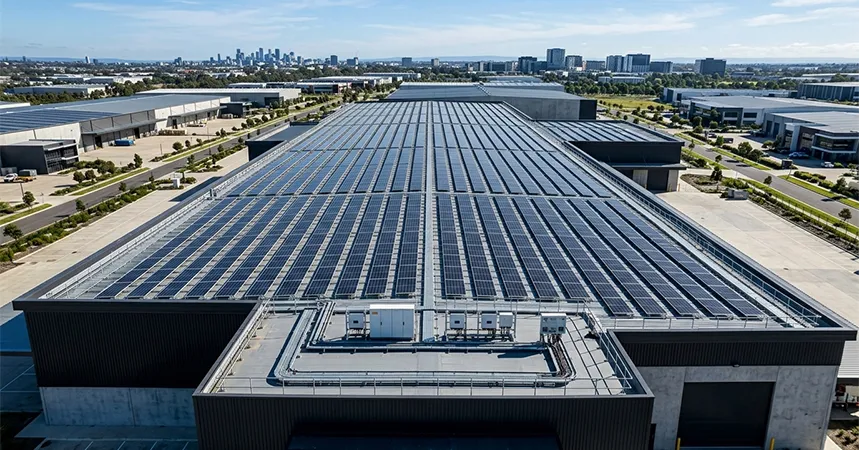
Businesses are increasingly investing in commercial solar systems in Perth, WA, as companies across Perth look for reliable and cost-effective ways to manage rising energy expenses. With abundant sunlight throughout the year, Western Australia offers ideal conditions for solar energy generation, making it a practical solution for many industries.
Organisations are also adopting renewable energy to meet sustainability targets and improve operational efficiency. A well-planned commercial solar installation in Perth can significantly reduce electricity costs while supporting long-term environmental goals. In this guide, we explore how commercial solar works, the benefits it offers, system sizing, installation considerations, investment planning, and how businesses can maximise the value of solar energy.
What is a Commercial Solar System in Perth?
A commercial solar system is a large-scale solar energy setup designed to meet the electricity needs of businesses rather than individual homes. Unlike residential systems, commercial installations are built to support higher energy demand, often involving larger rooftop areas or even ground-mounted arrays. Many businesses operate during daytime hours when solar panels generate the most electricity, making solar energy especially efficient for commercial use.
These systems are typically connected to the electricity grid, allowing companies to use solar power during the day while drawing grid power when necessary. Rooftop installations are common for offices, warehouses, and retail spaces, while ground-mounted systems may be suitable for large industrial properties or agricultural facilities with open land. Commercial solar system installations in Perth are also designed to integrate smoothly with existing electrical infrastructure so that businesses can continue operations without disruption while benefiting from renewable energy.
How Commercial Solar Systems Work
Commercial solar systems generate electricity by converting sunlight into usable power for business operations. Solar panels installed on rooftops or open spaces capture sunlight and convert it into direct current electricity. This electricity then flows through commercial inverters that transform it into alternating current, which businesses use to run equipment, lighting, and other systems.
Mounting structures secure the panels and ensure they are positioned for optimal sunlight exposure. Monitoring systems track performance and energy production, helping businesses understand how much electricity their system generates each day. These systems are usually connected to the grid so excess electricity can be exported, while additional power can be drawn when solar generation is lower. During peak daylight hours, many businesses can operate largely on solar energy, significantly reducing their reliance on traditional electricity sources.
Benefits of Using Commercial Solar Power Systems in Perth
The major advantages of adopting commercial solar electricity in Perth are outlined below.
1. Reduced operating costs
One of the biggest benefits of installing commercial solar systems is the significant reduction in electricity expenses. Businesses often consume large amounts of power during operational hours, and solar energy can offset a substantial portion of these costs. Over time, the savings accumulate, helping organisations improve financial stability and reinvest funds into growth and innovation.
2. Protection from rising electricity prices
Energy costs can fluctuate and increase over time, affecting long-term business planning. Commercial solar power in Perth helps companies reduce dependence on external energy suppliers and provides more predictable operating expenses. By generating their own electricity, businesses gain greater control over energy spending and reduce exposure to ongoing utility price increases.
3. Sustainability and ESG goals
Many businesses today prioritise environmental responsibility and sustainability targets. Installing solar panels allows organisations to reduce their carbon footprint and support cleaner energy production. This aligns with Environmental, Social, and Governance objectives, which are increasingly important for investors, partners, and customers who value companies that adopt responsible and sustainable practices.
4. Tax incentives and depreciation benefits
Businesses investing in solar energy systems may qualify for financial incentives and depreciation benefits that make installations more affordable. These incentives can reduce the upfront investment required for solar adoption. Over time, companies can recover installation costs faster while enjoying long-term energy savings and improved financial performance.
5. Increased business value
Properties equipped with solar energy systems often become more attractive to buyers and investors. Commercial facilities that generate their own electricity may be perceived as more efficient and future ready. As energy efficiency becomes more important in property evaluation, solar installations can contribute to higher property value and stronger market appeal.
6. Low-maintenance energy production
Once installed, commercial solar systems generally require minimal maintenance to operate effectively. High-quality components are designed for durability and long operational life. Routine inspections and occasional cleaning usually keep the system performing efficiently, allowing businesses to benefit from reliable energy generation without constant operational attention.
7. Improved brand reputation
Businesses that adopt renewable energy solutions demonstrate a commitment to environmental responsibility. Customers and partners often prefer companies that actively reduce their environmental impact. Installing solar panels helps position a business as forward-thinking and responsible, which can strengthen brand perception and build trust with stakeholders.
8. Employee pride and engagement
Employees increasingly value working for organisations that prioritise sustainability and innovation. When a company invests in renewable energy, it can boost morale and create a sense of pride among staff members. This positive workplace culture can improve engagement, retention, and overall employee satisfaction.
For a detailed explanation of all the advantages, read the full guide: 8 Reasons Commercial Solar Panels Is Good for Business.
Businesses That Benefit Most from Solar
Many industries can benefit from installing commercial solar systems in Perth because their operations often involve daytime energy use and suitable building space. The businesses and industries are given below.
- Warehouses: Large rooftop areas and consistent daytime operations make warehouses ideal for commercial solar installations in Perth, helping reduce electricity costs and improve efficiency.
- Manufacturing facilities: High electricity demand from machinery and production processes allows manufacturers to benefit significantly from commercial solar power in Perth.
- Retail centres: Shopping centres use energy for lighting, cooling, and systems during the day, making solar electricity generation highly effective.
- Offices: Office buildings operate mainly during daylight hours, allowing businesses to use solar energy directly and reduce ongoing electricity expenses.
- Hospitality businesses: Hotels and restaurants consume large amounts of power daily, making solar a practical solution for lowering operational energy costs.
- Agricultural operations: Farms and agricultural facilities often have open spaces suitable for solar installations that support irrigation, processing, and storage activities.
Factors That Influence Solar Suitability
Several key factors determine whether a business property is suitable for installing commercial solar systems and how effectively the system will perform. The main factors are listed below.
- Roof size: Larger roof areas allow more solar panels, increasing electricity generation capacity and improving the overall efficiency of commercial solar systems.
- Energy usage patterns: Businesses using electricity during the day benefit most because solar systems generate energy when sunlight is strongest.
- Daytime electricity consumption: High daytime consumption allows businesses to directly use solar energy instead of relying heavily on grid electricity.
- Available sunlight exposure: Buildings with minimal shading and good panel orientation generate more solar electricity and improve system performance.
- Infrastructure capacity: Electrical systems and building structures must support solar installations safely while ensuring reliable long-term operation.
Finding the Right Commercial Solar System Size
Choosing the right system size is essential to ensure your business gets the best performance and return on investment. The key steps involved are outlined below.
Step 1: Assess Energy Consumption
The first step in selecting a system size is understanding how much electricity your business currently uses. Reviewing past electricity bills and usage data helps identify patterns in consumption. This information allows solar designers to estimate how much solar generation is required to offset a meaningful portion of your energy needs.
Step 2: Evaluate Solar Potential
Solar potential depends on available roof space, orientation, shading conditions, and local sunlight exposure. Buildings with unobstructed roofs and good sun access typically achieve higher energy production. Evaluating these factors helps determine how efficiently solar panels can generate electricity and supports accurate system design.
Step 3: Estimate System Size
After reviewing energy usage and solar potential, designers estimate the system capacity needed for your business. This involves calculating how much electricity panels can generate each day based on Perth’s sunlight levels. The goal is to design a system that matches your consumption patterns and maximises energy savings.
Step 4: Review Typical System Sizes
Commercial solar system installations in Perth vary widely depending on business size and energy demand. Some companies install smaller systems that offset part of their energy needs, while larger facilities may require substantial solar arrays. Understanding typical system ranges helps businesses compare options and determine suitable solutions.
Step 5: Consider Battery Storage
Battery storage can enhance the value of solar energy for some businesses. By storing excess electricity generated during the day, companies can use that energy later when solar production decreases. This improves energy independence and can help businesses manage electricity use more efficiently.
Step 6: Assess Payback and Financial Impact
System size directly affects installation costs, energy savings, and overall return on investment. A well-sized system balances upfront investment with long-term savings. Evaluating payback periods helps businesses understand how quickly they can recover their investment through reduced electricity expenses.
Step 7: Get a Professional Solar Assessment
A commercial solar expert can analyse site conditions, energy data, and future growth plans to design an optimised system. Professional assessments ensure accurate sizing and performance expectations. Expert guidance helps businesses avoid under or over sizing their systems while maximising efficiency and financial returns.
For detailed calculations and expert insights, read the full guide: Finding the Right Commercial Solar System Size for Your Perth Business.
Commercial Solar System Costs and Financial Planning
When businesses consider solar adoption, several important financial aspects come into play. The key considerations are outlined below.
Commercial Solar System Cost Breakdown
Several factors influence the overall cost of installing commercial solar systems. The most important ones are listed below.
1. System components and equipment quality
The quality of solar panels, inverters, and mounting structures significantly affects the total cost of a commercial solar system. High-quality components may require a higher initial investment but often provide better efficiency, reliability, and longevity. Businesses that choose durable equipment usually benefit from improved performance and reduced long-term maintenance costs.
2. Installation complexity
The complexity of installing solar panels varies depending on building design, roof structure, and accessibility. Projects that require specialised mounting systems or structural reinforcement may involve additional installation work. These factors can influence project timelines and costs while ensuring the system operates safely and efficiently.
3. Business location and site conditions
Location plays a role in determining installation requirements and system performance. Factors such as roof condition, surrounding buildings, shading, and available installation space can affect the overall cost. A thorough site assessment helps identify any adjustments needed before installation begins.
4. Government incentives and rebates
Financial incentives and renewable energy programs can reduce the cost of installing solar systems. Businesses may benefit from available schemes that support solar adoption and renewable energy initiatives. These incentives help make solar investments more accessible and improve overall return on investment.
5. Export limits and energy buyback options
Energy policies and grid connection rules can influence the value of exported solar electricity. Some businesses may receive credits or payments for excess energy supplied to the grid. Understanding export limits and buyback options helps companies estimate the financial benefits of their solar system more accurately.
6. Energy consumption patterns
A business that consumes most of its electricity during the day will gain greater value from solar energy. Usage patterns influence system design and potential savings. When solar generation aligns with operational hours, businesses can maximise direct energy usage and reduce reliance on grid electricity.
For a deeper understanding of pricing, cost estimates, and investment considerations, read the full guide: Commercial Solar System Cost: A Comprehensive Breakdown.
Return on Investment for Businesses
Commercial solar investments often deliver strong financial returns over time. Businesses benefit from reduced electricity bills, which can represent a significant portion of operational expenses. Many systems achieve payback within several years depending on system size and energy usage. Once the system has paid for itself, companies continue generating electricity with minimal ongoing costs.
Solar energy also supports greater energy independence by reducing reliance on external electricity providers. Over the long term, businesses benefit from stable energy costs and improved financial predictability. These savings can contribute to stronger business performance and long-term sustainability.
Government Incentives and Rebates in WA
Businesses installing solar systems in Western Australia may be eligible for various incentives and financial benefits. Small-scale Technology Certificates help reduce upfront installation costs by providing financial value based on system size and expected energy production.
In addition to certificate programs, businesses may benefit from tax incentives that support renewable energy investments. Energy efficiency initiatives and government programs also encourage companies to adopt sustainable technologies, making commercial solar installations more accessible and financially attractive.
Commercial Solar System Maintenance in Perth
Maintaining a commercial solar system in Perth is essential to ensure reliable energy production and long-term efficiency. The main maintenance practices that help maximise efficiency are listed below.
1. Panel cleaning
Dust, dirt, and debris can accumulate on solar panels over time and reduce energy generation. Regular cleaning ensures that panels continue receiving maximum sunlight exposure. In many commercial environments, scheduling periodic cleaning helps maintain consistent system performance and supports optimal electricity production throughout the year.
2. Performance monitoring
Monitoring systems allow businesses to track energy production and identify potential issues early. By reviewing performance data regularly, companies can ensure their system is operating as expected. Monitoring also helps detect sudden drops in output, enabling timely maintenance and preventing long-term efficiency losses.
3. Routine inspections
Periodic inspections help identify wear, loose connections, or potential structural concerns. Professional inspections ensure that panels, mounting systems, and electrical components remain secure and functioning correctly. Early detection of minor issues helps prevent larger problems and supports long-term system reliability.
4. Preventative maintenance
Preventative maintenance includes proactive checks and servicing to keep the system running efficiently. Addressing small concerns before they escalate helps reduce downtime and maintain consistent energy production. Businesses that follow scheduled maintenance practices often experience better performance and longer system lifespan.
Sustainability and Environmental Impact of Commercial Solar in Perth
Commercial solar systems contribute to environmental improvement in several ways. The key impacts are outlined below.
1. Reduction in carbon emissions
Solar energy reduces reliance on fossil fuel based electricity generation. By producing clean energy on site, businesses significantly lower greenhouse gas emissions associated with their operations. Over time, this reduction contributes to improved environmental outcomes and supports global efforts to reduce climate related impacts.
2. Sustainable business operations
Adopting solar energy helps organisations operate more sustainably by reducing dependence on traditional power sources. Businesses can integrate renewable energy into their daily operations while maintaining productivity and efficiency. This shift toward sustainable energy supports responsible resource management and long-term environmental stewardship.
3. Contribution to renewable energy adoption
Every commercial solar installation contributes to the broader adoption of renewable energy across the region. As more businesses generate their own clean electricity, demand for fossil fuel-based power decreases. This collective effort supports the growth of renewable energy infrastructure and promotes a cleaner energy future.
4. Corporate sustainability goals
Many organisations set environmental targets to reduce emissions and improve sustainability performance. Installing solar panels helps businesses move closer to achieving these goals. Solar adoption demonstrates measurable progress toward environmental commitments and strengthens corporate responsibility initiatives.
The Future Trends in Commercial Solar in Perth for Businesses
Several emerging developments are shaping the future of solar adoption for businesses. The key trends are outlined below.
1. Battery storage integration
Battery technology continues to improve, allowing businesses to store excess solar electricity for later use. This helps companies use more of the energy they generate and reduce reliance on the grid. As battery costs gradually decline, more commercial properties are expected to integrate storage with solar systems.
2. Smart energy management systems
Advanced energy management platforms help businesses monitor and optimise electricity usage. These systems analyse energy consumption patterns and adjust energy flow to improve efficiency. Smart systems enable organisations to make data driven decisions that enhance overall energy performance.
3. AI based energy monitoring
Artificial intelligence is increasingly being used to analyse solar system performance and predict maintenance needs. AI powered monitoring tools can identify inefficiencies, forecast energy production, and recommend improvements. This technology helps businesses maintain optimal system performance and maximise energy output.
4. Solar and EV charging infrastructure
As electric vehicles become more common, many businesses are combining solar systems with EV charging stations. Solar powered charging solutions support sustainable transportation while reducing energy costs. This integration also enhances the overall sustainability profile of commercial properties.
5. Microgrids and energy independence
Microgrids allow businesses to generate, store, and manage electricity locally. These systems improve energy resilience and reduce reliance on centralised power networks. In the future, microgrid adoption may help organisations achieve greater energy independence and stability.
Tips to Find the Right Commercial Solar Company in Perth
Selecting the right Perth-based commercial solar company is essential for a successful solar project. The key factors to consider are outlined below.
1. Industry experience and reputation
A company with extensive experience in commercial solar projects is more likely to deliver reliable solutions. Reviewing past projects, client feedback, and industry reputation helps businesses identify providers that understand complex installations and deliver consistent results.
2. Customised system design and engineering
Every business has unique energy requirements, so a tailored solar design is essential. Reputable providers analyse site conditions, energy usage, and operational needs to create systems that maximise efficiency and performance. Customised solutions help businesses achieve better long-term results.
3. Competitive pricing and financing options
Cost considerations play an important role in selecting a solar provider. Businesses should compare pricing structures, financing options, and long-term value offered by different companies. Flexible payment solutions can make solar investments more accessible and manageable.
4. Quality products and warranty support
High-quality solar components ensure reliable performance and durability. A trusted provider will use proven equipment and offer strong warranty coverage for panels, inverters, and installation work. Reliable warranties provide peace of mind and protect the investment over time.
5. Certifications and regulatory compliance
Solar installations must meet industry standards and regulatory requirements. Businesses should work with providers that hold relevant certifications and follow established guidelines. Compliance ensures safety, proper installation practices, and long-term system reliability.
6. Professional installation and project management
A well-organised installation process reduces delays and ensures smooth project execution. Experienced providers manage every stage of the project, including planning, installation, and commissioning. Effective project management helps businesses transition to solar energy without operational disruptions.
7. Monitoring and performance reporting
Ongoing monitoring and reporting services help businesses track system performance over time. Reliable providers offer tools and support to analyse energy production and system efficiency. Regular reporting helps ensure the solar system continues to operate at optimal levels.
For a detailed guide on choosing the right provider, read: 7 Factors to Look for in a Commercial Solar Company.
Closing Notes on Commercial Solar Systems for Businesses in Perth
Commercial solar systems provide a practical and long-term solution for businesses seeking to reduce energy costs and improve sustainability. By generating their own electricity, organisations can lower operational expenses, reduce dependence on traditional energy sources, and contribute to a cleaner environment.
With the strong solar potential available in Perth, many businesses are discovering that solar energy offers both financial and environmental advantages. As technology continues to improve, commercial solar systems are expected to play an even greater role in supporting efficient and sustainable business operations.
Ready to Switch to Commercial Solar?
Fritts Solar in Perth helps businesses plan, design, and install reliable commercial solar systems that match their energy needs and long-term goals. Our team works closely with organisations to assess energy usage, identify the best system size, and ensure a smooth installation process that delivers lasting value. Request a free quote today to see how your business can save on energy costs and move toward sustainable power.