
Where Can You Install a Home Battery in WA?
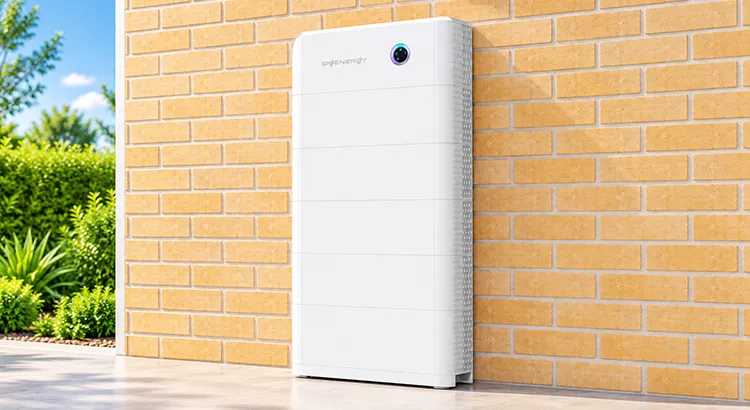
Choosing a home battery is usually about capacity, price, savings and the available rebate. But there is another question WA homeowners need to answer before installation: where can the battery be installed?
The available space around a home does not automatically make it a suitable battery location. The position needs to meet the relevant installation requirements while also allowing safe access and practical servicing.
This became particularly important in Western Australia in 2026, when the amended battery installation standard became mandatory. For homeowners getting quotes now, battery placement needs to be considered as part of the system design, rather than something decided when the installer arrives.
What Changed for Home Battery Installation in WA in 2026?
Standards Australia published AS/NZS 5139:2019 Amendment 1:2025 on 19 December 2025. Western Australia then provided a six-month transition period during which installers could work under either version of the requirements.
That transition period ended on 19 June 2026. The amended requirements are now mandatory for electrical licence holders carrying out battery installations in WA.
The amendment updated 18 clauses, introduced five new clearance figures and added an appendix covering short-circuit current calculations. Several of the changes relate directly to the way batteries are positioned in and around homes.
The Four Things That Determine Where Your Battery Can Go
The location of your home battery depends on a few important installation requirements.
1. Clearance from Doors, Windows and Other Openings
One of the key considerations is the distance between the battery and nearby openings.
The general working clearance is 600 mm. However, the amended requirements introduce an important exception for openings wider than 900 mm. A battery can be positioned within 600 mm of such an opening when safe egress is maintained, including a minimum one-metre clear walk-through space.
This is particularly relevant to garages with roller doors.
But the measurement cannot be considered in isolation. A battery may appear to have sufficient clearance from the roller door while a parked car, storage cabinet or other object reduces the available walking space.
That is why the actual conditions of the garage need to be considered when deciding where the battery will go.
2. The Wall and Fire Separation
The construction of the wall can also affect where a battery can be installed.
Where a battery is installed against or near a wall that requires additional fire protection, the applicable requirements may call for a suitable non-combustible barrier.
A double-brick wall may present a very different installation situation from a lightweight stud-framed wall. The installer therefore needs to consider the wall construction and whether additional protection is required at the proposed location.
3. Rooms, Hallways and Escape Routes
Not every internal area of a home is suitable for a battery.
Bedrooms and rooms opening directly onto bedrooms are restricted, as are relevant hallways and stairways forming escape routes. Ceiling spaces and sub-floor cavities are also unsuitable.
For a typical Perth home, this can significantly reduce the number of practical indoor locations.
In many cases, homeowners will therefore be looking at the garage or an appropriate external wall rather than a living area.
4. The Battery and Inverter Do Not Have to Be Treated as One Location
The battery and inverter can be positioned separately where the equipment and installation requirements allow it.
For example, the battery may be installed in a suitable garage or external location, while the inverter can be positioned in another suitable area based on the home’s electrical layout and the requirements of the equipment.
Separating the two can provide more flexibility when planning the installation, but the final arrangement depends on the property, electrical infrastructure and equipment being installed.
Where Can You Install a Home Battery in a Typical WA Home?
The most suitable location varies from property to property. However, some locations are more commonly considered than others.
| Potential location | What to consider |
| Garage side wall | Check available space, vehicle position and clear access around the battery. |
| Garage wall near roller door | The required opening and egress clearances both need to be satisfied. |
| External side wall | Check doors, windows, weather exposure, shading and afternoon sun. |
| South or east-facing external wall | May offer better protection from strong afternoon heat, depending on the property’s layout and shading. |
| West or north-west-facing wall | May be suitable, but exposure to afternoon sun and heat should be considered. |
| Alfresco or covered outdoor area | Requires assessment of openings, environmental exposure and equipment suitability. |
| Roof space or sub-floor | Generally restricted and not suitable for a typical home battery installation. |
Why Battery Placement Should Be Decided Before Installation Day
A common problem occurs when the battery system is selected first and the installation location is considered later.
The system may be sized, quoted and approved before anyone has properly assessed the proposed wall.
Then, on installation day, the installer discovers that the preferred location does not work.
This can leave the homeowner with several choices: move the battery to another location, accept additional cabling or other work, pay a variation, or delay the installation.
The better approach is to establish the battery location during the design process.
That allows the installer to consider clearances, wall construction, access, cable routing and environmental conditions before the final system arrangement is agreed.
Six Questions to Ask Your Battery Installer
Before signing a battery installation quote, ask:
- Which exact wall will the battery be installed on?
- Has that location been physically assessed before the quote was finalised?
- What are the measured clearances from nearby doors, windows and openings?
- Will there still be adequate access when the garage is being used normally?
- How will afternoon sun and heat affect the proposed location?
- Is the proposed installation compliant with the current AS/NZS 5139 requirements?
These questions can help you understand whether the proposed location has actually been assessed rather than simply selected because it appears convenient.
The Best Battery Location Depends on Your Property
There is no single battery location that works for every WA home.
For one property, a garage side wall may provide the right combination of access, protection and electrical connectivity. Another home may have a more suitable external wall.
The important thing is to assess the actual property before the installation design is finalised.
If you are comparing home battery quotes, don’t just ask which battery is being installed. Ask where it will be installed and why that location has been selected.
That answer can tell you a great deal about how thoroughly the proposed system has been designed.
Planning a Solar Battery Installation for Your Home?
Fritts Solar can help you with battery installation services, including selecting a suitable system and assessing potential installation locations for your home. The team can help you plan a solar battery system around your home’s energy needs and installation requirements. Get a solar quote to discuss your requirements.
Frequently Asked Questions
Can I install a home battery in my garage in WA?
A garage can be a suitable location for a home battery, depending on the specific property and proposed position. The installer needs to consider clearances, access, nearby openings and other applicable installation requirements.
Can a battery be installed near a garage roller door?
It can be possible where the relevant conditions are satisfied. The 2026 amended requirements allow certain battery locations within 600 mm of openings wider than 900 mm when the required safe egress conditions are maintained, including a one-metre clear walk-through space.
Can I install a battery inside my house?
Some internal locations are restricted. Bedrooms, rooms opening directly onto bedrooms and relevant escape paths are not suitable locations for a typical home battery installation. Ceiling spaces and sub-floor cavities are also restricted. Other locations need to be assessed against the applicable requirements and the battery manufacturer’s instructions.
Can I install a battery on an external wall?
An external wall can be a suitable option depending on the property. The installer needs to consider nearby openings, wall construction, environmental exposure, access and other applicable requirements.
Does a west-facing wall affect battery performance?
West and north-west-facing walls can experience higher afternoon heat, which should be considered when assessing a battery location. A more shaded or thermally favourable location may be preferable where the property provides one.
When should I decide where the battery will be installed?
The location should be considered during the system design and before the installation is booked. Identifying the location early can help avoid unexpected changes, additional work and delays on installation day.