
WA’s Plug-In Solar Plan: What Renters and Apartment Residents Need to Know
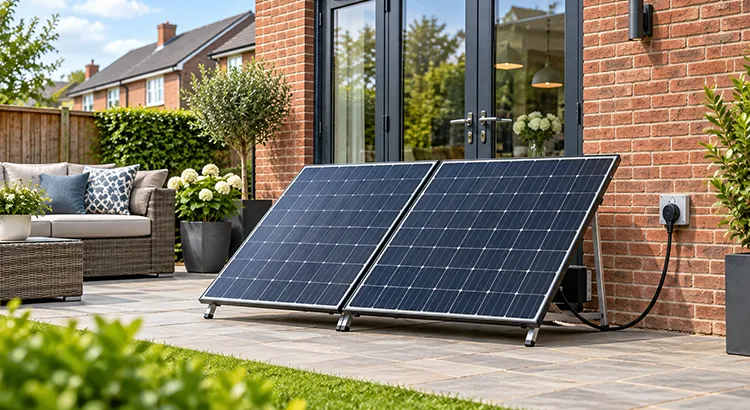
Western Australia is considering changes that could allow households to use plug-in solar panels and batteries. The proposal could make solar energy more accessible to renters and apartment residents who cannot install conventional rooftop systems.
The draft rules set limits on system output, solar capacity and battery charging. They also include electrical safety requirements. While the proposal could help households reduce electricity costs, the actual savings will depend on system prices, household usage, electricity tariffs and installation permissions.
What Is Plug-In Solar?
Plug-in solar systems are small solar setups designed to connect to a standard household power point through an approved inverter. Panels can be mounted on a balcony, courtyard or other suitable space. The electricity generated is used within the home, reducing the amount purchased from the grid.
Unlike conventional rooftop solar, these systems are designed to be portable and relatively simple to set up. This makes them particularly relevant to renters and apartment residents who may not have access to a suitable roof or permission for a permanent solar installation.
A plug-in battery can also store electricity for use later, such as in the evening when solar panels are no longer generating power.
Why Is WA Considering Plug-In Solar?
WA is considering plug-in solar to make small-scale solar generation more accessible to households that cannot easily install conventional rooftop systems. Renters and apartment residents often lack access to suitable roofs or control over permanent property modifications.
The proposal aims to:
- Expand access to solar energy: Give renters and apartment residents an option to generate their own electricity.
- Reduce reliance on rooftop installations: Allow households with limited roof access to use suitable balconies or outdoor spaces.
- Support portable energy systems: Make it easier for renters to move their solar equipment when changing properties.
- Establish safety requirements: Create a regulatory framework for connecting plug-in solar panels and batteries to household electrical systems.
The broader objective is to make small-scale solar more accessible while ensuring that these systems meet appropriate electrical safety standards.
What Does WA’s Proposed Plug-In Solar Standard Allow?
The WA Government has released a draft Technical Bridging Standard outlining the proposed requirements for plug-in solar and battery systems.
The draft framework includes the following provisions:
| Component | Proposed requirement |
| Solar panel capacity | Up to 2 kW DC |
| Inverter output | Up to 800 VA AC |
| Battery storage | No proposed upper limit on storage capacity |
| System quantity | One system per household |
| Battery chemistry | LFP and sodium-ion batteries |
| Connection equipment | Extension leads, power boards and travel adaptors prohibited |
The solar panel capacity and inverter output are different measurements. The proposed 2 kW DC limit refers to the rated capacity of the solar panels, while the 800 VA AC limit applies to the inverter.
Battery storage is also addressed separately. The draft does not propose a maximum storage capacity, although the final requirements may determine which products can be certified and used.
For the complete technical requirements, consultation documents and draft standard, refer to the WA Government’s plug-in solar and battery consultation.
How Much Could Plug-In Solar Save?
The WA Government estimates that a plug-in solar system could save around $240 per year. Adding a battery could increase the estimated annual savings to as much as $500.
These figures are estimates, not guaranteed returns. Actual savings will depend on:
- The amount of electricity the panels generate.
- How much solar electricity the household uses directly.
- Whether excess generation can be stored in a battery.
- The household’s electricity tariff.
- The cost of the equipment.
- Installation and maintenance expenses.
For example, a household that uses electricity during the day may consume more of its solar generation directly. A household that is usually empty during daylight hours may need a battery to make better use of the energy generated.
The purchase price also matters. A system with a higher upfront cost may take longer to recover its cost through electricity savings. Industry estimates suggest payback periods could range from around four to ten years, depending on the system and household conditions.
Why Battery Charging Limits Matter
Battery charging rules could have a significant effect on how much households save.
The draft approach includes an 800W limit on charging a plug-in battery from a household power point. While the proposed 800 VA inverter limit controls how much electricity the system can supply to the home, the battery charging limit affects how quickly stored energy can be replenished from the grid.
This becomes important when households have access to cheaper electricity at specific times.
For example, WA’s Midday Saver plan offers six cheaper midday hours. At an 800W charging rate, a battery could receive close to 4.8 kWh over six hours before charging losses.
Some electricity plans in other states offer shorter free-electricity periods. Three hours of charging at 800W would provide only 2.4 kWh before losses.
A slower charging limit may therefore reduce the amount of cheap electricity a household can store, particularly when the low-cost period is short.
Allowing higher charging rates could give households more flexibility. However, any increase would need to account for electrical safety, circuit capacity and appropriate equipment protection.
The final standard will need to balance safe operation with the practical benefits of battery storage.
Plug-In Solar Safety Requirements
Connecting a power-generating system to a household circuit requires appropriate safety controls. A plug-in solar system is not simply a conventional solar panel with a standard plug attached.
The draft standard includes requirements intended to reduce electrical risks.
Inverter and grid protection
The inverter must include protection that disconnects the system when the electricity grid experiences certain faults. This helps prevent the system from continuing to supply electricity when it should not.
Approved connection points
The draft prohibits extension leads, power boards and travel adaptors. These can introduce additional connection points and electrical risks.
Switchboard notification and labelling
Households would need to notify their network operator and label the switchboard. This helps identify the presence of a plug-in generation system.
Battery safety
The draft identifies lithium iron phosphate and sodium-ion battery chemistries as acceptable options. Battery systems must also meet the relevant electrical and product safety requirements.
Existing electrical protection
Questions remain about how plug-in generation may interact with some older electrical installations. Potential concerns include DC leakage affecting certain residual current devices (RCDs) and overcurrent protection when electricity enters a circuit from more than one source.
These issues need to be addressed through the final technical requirements and appropriate product testing.
What Renters and Apartment Owners Should Check
Even if the proposed rules are approved, permission to use a plug-in solar system may depend on the property.
Renters
Renters should check their lease and seek landlord approval before installing panels or mounting equipment. A system may be portable, but mounting panels on a balcony, wall or outdoor structure could still require permission.
Apartment residents
Apartment owners and tenants may need approval from their strata company or body corporate. Balcony railings, external walls and shared outdoor areas may be common property, so residents should not assume they can attach panels without consent.
Homeowners with rooftop solar
The draft proposes that a household cannot operate a plug-in solar system alongside a conventional rooftop solar installation. This could limit its usefulness for homeowners who already have rooftop panels or plan to install them later.
Before buying equipment, households should confirm the final rules, property permissions and compatibility with their existing electrical setup.
Is Plug-In Solar Suitable for Every Household?
No. The benefits depend on how and when a household uses electricity.
A small plug-in system may be more useful for households with regular daytime electricity consumption. Appliances such as refrigerators, computers and other continuously operating devices can use some of the generated electricity while the panels are producing power.
Households that use most of their electricity in the evening may benefit more from adding a battery. However, the battery’s charging rate, usable capacity and purchase price will affect the overall value.
Available outdoor space is another consideration. Balconies and courtyards need suitable sunlight and a safe location for mounting panels. Shaded areas or limited panel space can reduce generation.
A household should compare its electricity usage, tariff and available installation space before deciding whether a plug-in system is worthwhile.
Could WA’s Proposal Influence Other Australian States?
Western Australia’s proposal is part of a broader national discussion about plug-in solar. Energy ministers have agreed to explore how these systems could be introduced safely, while other jurisdictions are also considering their potential use.
A consistent national approach could make it easier for manufacturers to supply approved products across different states. It could also reduce confusion for consumers about equipment standards and installation requirements.
WA’s consultation may help identify practical issues before wider adoption. The final approach will need to address electrical safety, battery charging, inverter limits and the needs of households living in rental properties and apartments.
When Will Plug-In Solar Become Available in WA?
The proposal is not the same as a completed legalisation. The draft Technical Bridging Standard is subject to consultation, and the final requirements may change after feedback from consumers, industry participants and technical experts.
The consultation is scheduled to close at 5pm AWST on 9 December 2026. A confirmed commencement date has not been established in the information currently available.
Households interested in plug-in solar should wait for the final standard and check which products are approved before making a purchase.
Conclusion: WA’s Plug-In Solar Proposal
WA’s proposed plug-in solar standard could give renters and apartment residents another way to generate electricity and reduce their reliance on the grid. Its practical value will depend on the final safety requirements, battery charging limits, equipment costs and property permissions.
The proposal is a promising development, but households should avoid purchasing equipment based on draft rules alone. Waiting for the final standard will help ensure that any system chosen is suitable and compliant.