
Top Solar Batteries in Australia: 7 Leading Home Battery Systems in 2026
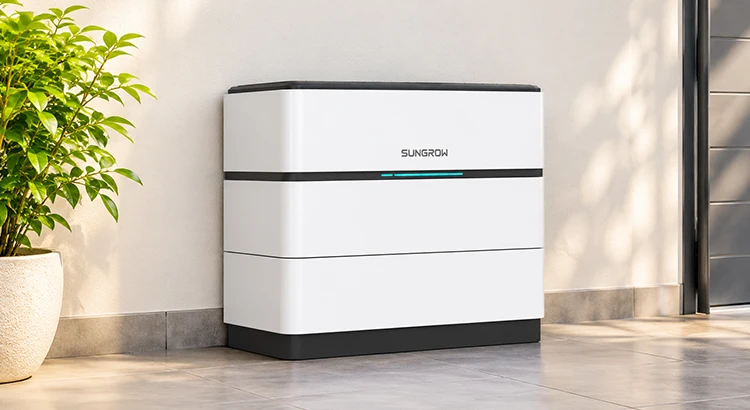
The growing number of solar batteries in Australia gives homeowners more options for storing excess solar energy and using it when they need it most. Instead of sending unused electricity back to the grid, a home battery allows you to store that energy and use it during the evening or periods of low solar generation. This can help reduce grid electricity consumption and make better use of your solar investment.
With several manufacturers offering different battery capacities, technologies and features, choosing the right system requires careful comparison. This article explores some of the leading home solar battery systems in Australia, comparing their key features and specifications to help you choose a solution that suits your household’s energy requirements.
Top 7 Home Solar Batteries in Australia
Home solar batteries allow households to store excess solar energy and use it when needed, helping reduce reliance on grid electricity. Here are some of the leading options available in Australia.
1. Tesla Powerwall
Tesla is a recognised name in residential energy storage, with its Powerwall range designed to store solar energy for household use. The Powerwall 3 combines battery storage and an integrated solar inverter in one unit, simplifying system design and installation.
The Powerwall 3 has a usable energy capacity of 13.5 kWh and includes intelligent energy management through the Tesla app. It can also provide backup power during grid outages when installed with a suitable configuration.
One development to watch is the Tesla Powerwall 3P, designed specifically for three-phase household applications. However, it is important to distinguish this product from the Powerwall 3. The Powerwall 3 itself is a single-phase unit, although it can be installed in certain homes with three-phase electrical connections. The dedicated Powerwall 3P is not yet available in Australia.
Key features include:
- 13.5 kWh usable energy capacity.
- Integrated solar inverter.
- Intelligent energy management through the Tesla app.
- Backup power during grid outages.
- Expandable storage options.
- 10-year warranty.
Tesla Powerwall is worth considering for homeowners looking for an established battery system with integrated energy management and backup capabilities.
2. Fronius Reserva and Reserva Pro
Fronius offers residential battery storage through its Reserva range, designed to work with compatible Fronius hybrid inverters. The system uses lithium iron phosphate (LFP) battery technology and DC coupling to support energy storage.
The Fronius Reserva comes in configurations ranging from approximately 6.3 kWh to 15.8 kWh of usable capacity. Its modular design allows households to select a capacity that suits their electricity consumption.
For properties with higher energy requirements, the Reserva Pro provides a larger storage solution. It supports configurations from approximately 11.9 kWh to 31.9 kWh per tower, with the ability to connect multiple towers for greater capacity.
Key features include:
- LFP battery chemistry.
- Modular storage configurations.
- Compatibility with selected Fronius hybrid inverters.
- Expandable storage capacity.
- Indoor and protected outdoor installation options.
- 10-year warranty.
Reserva Pro is particularly worth considering for larger homes and properties with higher electricity consumption.
3. BYD Battery-Box Premium HVM and HVS
BYD is another established manufacturer in the home energy storage market. Its Battery-Box Premium range includes the HVM and HVS models, both using lithium iron phosphate battery technology.
The main difference between these systems is their configuration and storage capacity.
The BYD HVS is a high-voltage battery system with usable capacities ranging from approximately 5.1 kWh to 12.8 kWh. The HVM offers larger configurations, starting at approximately 8.3 kWh and extending to 22.1 kWh.
Both systems feature modular designs, allowing homeowners to select storage capacity according to their energy requirements. They are also compatible with selected third-party hybrid inverters.
Key features include:
- Cobalt-free LFP battery technology.
- Modular battery configurations.
- Different capacity options for varying household requirements.
- Expandable storage options.
- Compatibility with selected hybrid inverters.
- 10-year warranty.
The HVS may suit households with moderate storage requirements, while the HVM provides options for properties requiring greater battery capacity.
4. Sungrow SBR, SBH and PowerHarbour
Sungrow offers several residential battery storage options, including the SBR and SBH series. Its newer PowerHarbour platform adds an integrated approach to home energy management.
The Sungrow SBR is a modular high-voltage battery system designed for residential applications, with usable capacity options ranging from 6.4 kWh to 25.6 kWh. The SBH range provides higher-capacity configurations, with available storage options ranging from 10 kWh to 40 kWh.
The PowerHarbour platform is an integrated residential energy storage solution that combines battery storage and energy management. Supported configurations can provide up to 120 kWh of storage. Selected PowerHarbour Pro configurations also include EV charging functionality.
Key features include:
- Modular battery storage.
- LFP battery technology.
- Expandable capacity.
- Compatibility with selected Sungrow hybrid inverters.
- Integrated energy management with PowerHarbour.
- Options for different residential energy requirements.
With several product options available, Sungrow provides flexibility for households with different storage requirements.
5. iStore Home Battery
The iStore home battery is a modular energy storage solution designed to work with compatible iStore hybrid inverters. Its expandable configuration allows homeowners to start with a smaller battery capacity and add storage as their energy requirements increase.
The iStore 5000ES range uses lithium iron phosphate battery technology and offers configurations from 5 kWh to 15 kWh per battery stack. Supported parallel configurations can provide up to 60 kWh of storage.
Key features include:
- Modular battery design.
- Storage configurations starting at 5 kWh.
- Expandable capacity up to 60 kWh in supported configurations.
- 100% depth of discharge.
- IP66 protection rating.
- Compatibility with selected single-phase and three-phase iStore hybrid inverters.
Its modular design and expandable capacity make it an option worth considering for households looking for a flexible storage system.
6. Sigenergy SigenStor and SigenStor Neo
Sigenergy offers an integrated home energy storage solution through its SigenStor range. The system combines multiple energy components into one platform, including a solar inverter, battery power conversion system, battery packs and energy management.
The SigenStor platform also supports EV charging integration, making it relevant for households looking to coordinate solar generation, battery storage and electric vehicle charging.
The SigenStor Neo range expands the product options with modular battery configurations. Its battery modules use LFP chemistry and are designed for use with compatible SigenStor Neo system components.
Key features include:
- Integrated home energy management.
- Modular battery storage.
- LFP battery technology.
- Smart monitoring and energy optimisation.
- EV charging integration options.
- Backup capabilities with compatible system components.
The integrated design makes Sigenergy worth considering for homeowners planning a more connected home energy system.
7. GoodWe Lynx and ESA All-in-One Solutions
GoodWe offers several residential energy storage products, including its Lynx battery range and ESA All-in-One solutions.
The GoodWe Lynx D G2 range features modular LFP battery storage designed to work with compatible GoodWe hybrid inverters and energy storage systems. Available battery models provide usable capacities ranging from approximately 5 kWh to 8.7 kWh per unit.
GoodWe’s ESA All-in-One system takes a more integrated approach by combining the inverter, battery and energy management components. The range includes single-phase and three-phase solutions for different residential applications.
Battery and inverter compatibility depends on the specific model and system configuration, so homeowners should confirm the supported combinations before installation.
Key features include:
- Modular battery storage options.
- Integrated ESA energy storage solutions.
- Single-phase and three-phase system options.
- LFP battery technology.
- Intelligent energy management.
- Expandable storage in supported configurations.
The ESA range is worth considering for homeowners who prefer an integrated energy storage solution with fewer separate system components.
How to Choose the Right Solar Battery for Your Home
The best solar battery depends on your household’s electricity consumption, existing solar installation and future energy requirements. Before choosing a system, consider the following factors:
- Battery capacity: Choose a storage size that matches your typical evening and overnight electricity usage.
- Inverter compatibility: Check whether the battery works with your existing solar inverter or requires a compatible hybrid inverter.
- Backup capability: Consider which household appliances and circuits you want to keep running during a power outage.
- Expandability: Look for modular systems if you may need additional storage in the future.
- Warranty and support: Review the product warranty, performance guarantees and availability of local technical support.
- Power output: Compare the battery’s continuous and peak power ratings to ensure it can support your household’s electrical loads.
A qualified solar installer can assess your household’s requirements and recommend a suitable battery configuration.
Final Thoughts on Home Solar Batteries in Australia
Solar battery technology continues to develop, giving Australian homeowners more options for storing and managing their solar energy. From Tesla’s Powerwall range and Fronius Reserva to modular solutions from BYD, Sungrow, iStore, Sigenergy and GoodWe, each system has different features and capabilities.
Rather than choosing a battery based on brand recognition alone, compare its usable capacity, power output, inverter compatibility, backup functionality and warranty. Getting the system size and configuration right can help you make better use of your solar generation and get more value from your home energy system.
Planning to Add a Solar Battery to Your Home?
Fritts Solar provides reliable solar batteries in Perth to help households store excess solar energy and make better use of their solar systems. Our team can help you choose a battery that suits your energy needs and budget. Get a solar battery quote from us and find the right battery solution for your home.