
CEC Accreditation: What It Is and Why It Matters for Solar Installations
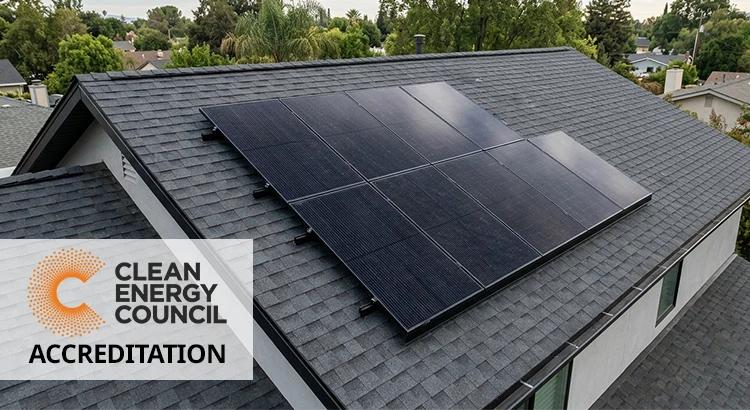
Investing in a rooftop solar PV system is a major step toward energy independence and long-term financial savings. However, navigating the expanding renewable energy sector requires clear insights into industry regulations. In Australia, the Clean Energy Council (CEC) serves as the primary regulatory framework for the renewable energy and energy storage sector. Understanding how this body functions ensures consumers make safe, legally compliant, and financially optimized decisions.
The Core Role of the Clean Energy Council
The Clean Energy Council is a not for profit, membership-based organization operating across Australia. It works directly with renewable energy businesses, storage enterprises, and rooftop solar installers to advance clean energy frameworks. Its scope covers multiple critical areas:
- Accreditation and Certification: The council manages formal accreditation processes for individual solar designers and installers. It also oversees standard certification for products, ensuring solar modules and components comply with rigorous national criteria.
- Industry Advocacy: By representing its members, the council lobbies for effective policy frameworks, research funding, grid infrastructure upgrades, and robust regulatory changes across Australia.
- Research and Market Analysis: The organization continuously monitors technical advancements, legislative updates, and global renewable trends to distribute accurate intelligence across the sector.
Understanding CEC Membership
Any organization operating within the renewable energy sector can apply for Clean Energy Council membership. There are various levels of paid memberships available, which are determined by the specific business structure and its operational role in the industry.
While members gain access to valuable benefits such as industry networking events, operational insights, and specialized conferences, these advantages are strictly corporate. They are provided directly to the member organizations or businesses rather than to retail customers.
Many solar companies highlight their paid Clean Energy Council membership. While membership shows industry alignment, it offers zero consumer protections, quality assurances, or dispute resolution paths. Consumer safety relies entirely on individual installer accreditation and seller codes.
Understanding CEC Accredited Installers
A major point of clarity for property owners is that CEC accreditation applies strictly to individuals, not corporations. There is no formal status known as a “CEC Accredited Business”. Individual electricians and designers undergo specialized training units and comprehensive practical assessments to secure this credential.
Verifying that your specific physical installation is handled by a credentialed professional is crucial. Some lower tier marketing firms promote their team credentials but deploy unaccredited laborers or roofers to execute the structural and electrical work. This practice compromises system safety and can lead to immediate compliance failures.
The Link to Financial Incentives and STCs
Crucially, working with a credentialed installer is a strict legal requirement for securing federal financial incentives. Small scale Technology Certificates (STCs) act as the baseline rebate system reducing the upfront cost of solar across Australia. These certificates can only be generated and redeemed if a certified installer completes the physical setup and signs off on the technical design documentation.
The Evolution to the New Energy Tech Consumer Code (NETCC)
Consumer protection structures evolved significantly with the introduction of the New Energy Tech Consumer Code (NETCC), which officially replaced the older Approved Retailer scheme. This change expanded regulatory oversight past solar modules to incorporate home batteries, electric vehicle charging infrastructure, and localized energy management tools.
The program separates certified tech providers from standard market options by monitoring key operational phases:
- Ethical Sales Processes: Strict guidelines prohibit high pressure sales tactics, deceptive performance estimations, and overly restrictive contract clauses.
- Transparent Quoting: Comprehensive contract requirements prevent hidden fees, ensuring customers understand exactly what they are purchasing.
- Post Sale Consumer Support: Approved Sellers must demonstrate robust procedures for addressing complaints, managing warranty claims, and delivering ongoing technical support.
While thousands of individual installers hold technical credentials across Australia, only a select group of retail businesses meet the rigorous consumer protection benchmarks required to be recognized as Approved Sellers under the national framework.
Partner with Perth’s Trusted Solar Experts
Fritts Solar is a trusted solar company in Perth who can help you design and install a high-performance renewable energy system tailored to your specific requirements. Our experienced team of engineering professionals manages every stage of the process to ensure full compliance, maximum safety, and optimal financial returns for your property. Get a free quote today to explore your options and secure your federal solar incentives with absolute confidence.