
Solar EV Chargers in Perth: A Comprehensive Guide for Homeowners
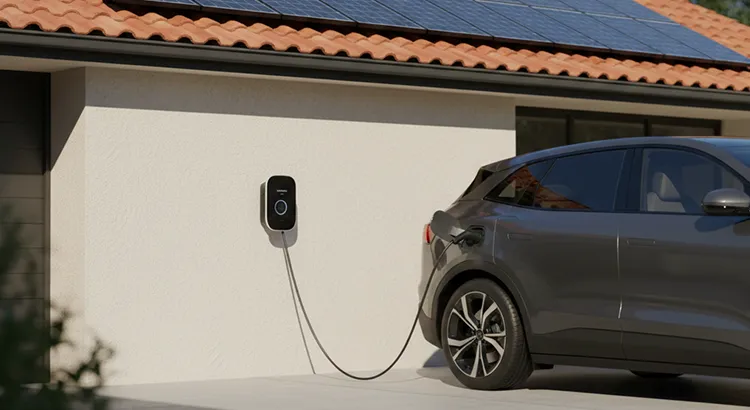
Solar EV chargers in Perth are becoming increasingly popular as more homeowners adopt electric vehicles and seek cost-effective ways to power them. The number of EV owners in the city is growing rapidly due to government incentives and the rising awareness of sustainable transport.
At the same time, electricity prices and fuel costs continue to climb, prompting homeowners to explore alternatives that reduce dependence on the grid. Many homeowners are now turning to expert solar EV charger installation in Perth to ensure their systems are safely installed, optimised for solar usage, and tailored to their home’s energy needs. Combining solar panels with EV charging allows families to use renewable energy to power their vehicles, lowering energy bills while contributing to a greener environment.
This guide will help you understand how solar EV chargers work, assess whether your home is ready for installation, explore different setup options, evaluate costs and savings, and choose the right charger for your needs. It will also help you explore whether solar EV charging is a suitable option for your home.
What Are Solar EV Chargers?
A solar EV charger is a device that allows you to charge your electric vehicle using electricity generated from solar panels installed at your home. Unlike traditional EV chargers that draw power from the grid, solar EV chargers prioritise using renewable energy, reducing electricity bills and carbon emissions.
How Solar EV Chargers Work at Home
Solar EV chargers are designed to connect your home solar system with your EV’s battery. During the day, your solar panels produce electricity that can either power household appliances, feed excess energy into the grid, or charge your EV. When the sun isn’t shining, your charger may pull energy from the grid or a home battery if one is installed.
This setup ensures that your vehicle can be charged efficiently while maximising the use of free solar energy, reducing your dependence on costly electricity from the grid. For a step-by-step look at how home solar EV charging works in Perth, see How Solar EV Chargers in Perth Work at Home: A Step-by-Step Explanation.
Why Solar EV Charging Is Growing in Perth
Several factors are driving the rapid adoption of solar EV charging in Perth:
- High Sunshine Levels: Perth enjoys one of the highest average annual sunshine hours in Australia, making solar energy highly reliable.
- Rising Electricity Costs: With increasing energy tariffs, homeowners are motivated to generate their own electricity to reduce bills.
- EV Adoption: More Perth residents are switching to electric vehicles, increasing the demand for convenient and affordable home charging solutions.
Solar EV chargers combine these factors into a practical, environmentally friendly solution that makes sense financially and ecologically.
Is Your Home Ready for a Solar EV Charger?
Before installing a solar EV charger, it is important to understand whether your home can safely support the additional electrical demand. While many Perth homes are suitable for EV charging, some may require minor upgrades or planning adjustments to ensure reliable and safe operation. Assessing readiness early helps avoid installation delays and unexpected costs.
Electrical Capacity and Safety Considerations
Your home electrical system is the foundation of a safe solar EV charging setup. The switchboard is one of the first components that installers evaluate. Older homes may have switchboards that were not designed to handle high-powered appliances like EV chargers. In such cases, an upgrade may be required to meet current safety standards and allow for consistent charging performance.
Wiring quality and capacity are equally important. EV chargers draw a continuous electrical load, which means the wiring must be capable of handling sustained current without overheating. Load capacity is also reviewed to ensure your household appliances, solar system, and EV charger can operate together without tripping circuits or stressing the system. A professional assessment helps identify whether load management or safety devices are needed to balance power usage effectively.
Learn more about preparing your home for EV charging in Is Your Perth Home Ready for a Solar EV Charger? An Electrical Checklist.
Preparing Your Home for EV Charging Installation
Beyond electrical capacity, practical installation factors also play a major role in readiness. The location where you park your vehicle influences charger placement, cabling distance, and overall installation cost. Garages, carports, and dedicated parking areas each require different mounting and cable routing approaches.
Cabling paths should be planned carefully to maintain a clean appearance and comply with safety regulations. Installers often look for routes that minimise drilling and avoid exposure to weather or physical damage. Thinking ahead is also essential. Many homeowners plan for future needs such as a second electric vehicle, a larger solar system, or battery storage. Preparing for these possibilities now can save time and money later.
For a step-by-step guide on getting your home ready for EV charging, read How to Make Your Home EV Ready?.
Different Ways Solar EV Chargers Can Be Set Up at Home
Solar EV chargers can be configured in several ways depending on how your home uses energy and when your vehicle is typically charged. Understanding these setup options helps homeowners in Perth choose a system that delivers the best balance of convenience, savings, and future flexibility.
Common Solar EV Charging Configurations
The most common setup is a grid-connected solar EV charging system. In this configuration, the EV charger prioritises electricity generated by your solar panels during the day. When solar production is not enough, such as in the evening or on cloudy days, the system automatically draws power from the grid. This setup is popular because it is simple, reliable, and compatible with most existing solar installations.
Another option is smart solar diversion charging. This setup uses intelligent controls to detect excess solar energy that would otherwise be exported to the grid. Instead of sending surplus power away, the charger directs it to your electric vehicle. This approach increases solar self-consumption and is ideal for homeowners who want to maximise the value of their solar system without adding batteries.
Battery-supported charging is the most advanced configuration. In this setup, solar energy is stored in a home battery during the day and used to charge the EV later, often at night. This allows for greater independence from the grid and provides consistent charging even when the sun is not shining. While this option involves higher upfront costs, it offers long-term flexibility and energy security.
For a detailed look at how each of these setups works and which one might suit your home best, check out Types of Solar EV Charging Systems for Homes in Perth.
Choosing a Setup That Fits Your Lifestyle
Your daily routine plays a major role in determining the best solar EV charging setup. Homeowners who work from home or are often present during daylight hours can benefit greatly from daytime solar charging, as their vehicles can charge directly from solar production.
Households where the EV is used mainly for commuting may prefer systems that support evening or overnight charging, especially when paired with battery storage. Planning for future needs is also important. If you expect to add another electric vehicle, expand your solar system, or install a home battery later, choosing a flexible charging setup now can prevent costly upgrades down the line.
The right configuration is not just about current usage but about aligning your energy system with how your household will evolve over time.
What Does a Solar EV Charger Cost in Perth?
The cost of installing a solar EV charger in Perth varies depending on several factors, including the type of charger, the condition of your home electrical system, and how your solar setup is designed. Understanding what influences pricing helps homeowners plan their budget more accurately and avoid surprises during installation.
Typical Costs and What Influences Pricing
The cost of a solar EV charger in Perth depends on several factors. Understanding these elements helps homeowners plan their budget and make informed choices. Key factors include the charger hardware, installation complexity, system size, and additional requirements.
Charger Hardware
The type of charger you select significantly affects the cost. Basic single-phase chargers are generally more affordable, while faster chargers or smart chargers with advanced features such as app control, solar optimisation, or scheduling capabilities are more expensive. Higher-quality hardware often comes with better durability and longer warranty coverage.
Installation Complexity
The ease of installation can have a major impact on overall costs. Homes with modern switchboards, accessible cabling paths, and minimal additional electrical work usually incur lower installation fees. Older homes may require upgrades to switchboards, circuit breakers, or wiring to safely support an EV charger, which adds to the cost.
System Size and Power Capacity
The power capacity of the charger and your home’s existing solar system can influence pricing. Chargers with higher kW ratings, designed to charge larger EV batteries quickly, often cost more. Additionally, if you have a large solar array or plan to integrate battery storage, the system may require more advanced configuration, which can increase the installation price.
Location and Cable Routing
Where the charger is installed in relation to your switchboard affects the cost. Longer cable runs, complex routing, or installations that require drilling or outdoor weatherproofing can add labor and material costs. Easy-to-access locations typically reduce installation complexity and expenses.
Future-Proofing and Extra Features
Planning for future needs, such as a second EV, battery storage, or smart energy management systems, can slightly increase the upfront cost. Chargers that support load sharing, remote monitoring, or advanced solar integration often cost more but provide long-term flexibility and savings.
Understanding Long-Term Value and Savings
While upfront costs are an important consideration, the long-term value of solar EV charging is where many homeowners see the greatest benefit. Charging your vehicle with solar energy significantly reduces fuel expenses compared to petrol or grid-based electricity. Over time, these savings can offset a large portion of the initial investment.
Solar EV chargers also increase solar self-consumption by using energy that might otherwise be exported to the grid at a lower return. This improves the overall efficiency of your solar system and enhances its financial performance. For many Perth households, the combination of lower transport costs and better solar utilisation makes solar EV charging a financially smart long-term decision.
How to Choose the Right Home EV Charger
Selecting the right home EV charger plays a major role in how convenient, efficient, and safe your daily charging experience will be. With a wide range of chargers available in Perth, understanding the key features helps homeowners choose a solution that works well today and continues to meet their needs in the future.
Features That Matter in Everyday Use
Not all EV chargers are the same, and small differences in features can have a big impact on everyday usability. Focusing on practical, well-designed features ensures your charger fits your lifestyle, works efficiently with solar power, and remains reliable over the long term.
Charging Speed and Power Output
Charging speed determines how quickly your electric vehicle can be ready for use. The right power output depends on your driving habits, vehicle battery size, and how long the car is typically parked at home. Faster charging is useful for households with higher daily driving distances, while moderate charging speeds are often sufficient for overnight or daytime solar charging.
Smart Controls and User Convenience
Smart controls make EV charging easier to manage and more flexible. These features allow homeowners to schedule charging sessions, monitor energy consumption, and adjust settings through a mobile app or online dashboard. Smart chargers also help coordinate charging with household electricity use, reducing strain on the electrical system.
Solar Optimisation and Energy Efficiency
Solar optimisation is an essential feature for homes with rooftop solar panels. Chargers with this capability can detect available solar energy and adjust charging levels accordingly. This ensures that more of your vehicle charging is powered by renewable energy rather than grid electricity, increasing solar self-consumption and lowering energy costs.
Safety and Electrical Protection
Safety features are critical for any home EV charger. High-quality chargers include built-in protection against overcurrent, overheating, and electrical faults. Automatic shutoff functions and weather-resistant enclosures add an extra layer of protection, especially for outdoor installations. Choosing a charger that meets Australian safety standards helps ensure long-term reliability and peace of mind.
Compatibility with Your Electric Vehicle
Ensure the charger is compatible with your EV model. Most home chargers are designed to work with a wide range of vehicles, but checking compatibility with your specific make and model helps avoid installation issues and ensures optimal charging performance. Choosing a charger that matches your vehicle’s charging standards also future-proofs your system if you plan to upgrade or add another EV later.
For a deeper dive into selecting the best home EV charger for your needs, read How to Choose a Home EV Charger?.
Well-Known Solar-Compatible EV Charger Brands in Perth
Perth homeowners can choose from several established EV charger brands that work well with solar power and perform reliably in local conditions. These brands are commonly selected because they offer stable charging performance, long-term durability, and compatibility with modern solar systems used across Western Australia.
Tesla
Tesla EV chargers are widely used due to their solid construction and smooth everyday operation. They are especially popular among Tesla owners but are also suitable for broader home charging needs when paired correctly. Homeowners often value them for consistent performance and simple app-based control.
Fronius
Fronius offers solar-aware EV charging solutions designed to work closely with solar generation. These chargers are often chosen by homeowners who want better control over how solar energy is directed toward vehicle charging, particularly during peak sunlight hours.
SMA
SMA chargers are known for integrating well with home energy management systems. They are typically considered by homeowners who already use SMA solar equipment and want a charging solution that aligns with overall household energy use.
Zappi
Zappi chargers are commonly selected for homes focused on maximising solar usage. They are designed to adjust charging behavior based on available solar energy, helping reduce reliance on grid electricity throughout the day.
Wallbox
Wallbox chargers stand out for their compact design and smart functionality. They are often chosen by homeowners who value flexible charging control, mobile app monitoring, and a clean, space-efficient installation.
SolarEdge
SolarEdge EV chargers are designed to operate as part of a wider solar energy ecosystem. Homeowners with SolarEdge inverters often prefer these chargers for their ability to coordinate EV charging with solar production and household power demand.
Delta AC MAX
Delta AC MAX chargers are known for dependable performance and support for smart charging features. They are commonly used in residential environments where electrical stability and long-term reliability are important.
ZJ Beny
ZJ Beny chargers provide a practical charging solution with modern smart features and compatibility with solar systems. They are often selected by homeowners looking for a balanced option that combines functionality, reliability, and everyday usability.
When choosing between these brands, homeowners in Perth should consider how well the charger integrates with their existing solar system, the availability of local installer support, and warranty coverage. Selecting a well-supported brand helps ensure reliable charging performance over the long term.
To explore how these brands compare in real residential scenarios, including solar compatibility, inverter pairing, and ideal use cases, see Best Solar-Compatible EV Charger Brands for Homes in Perth.
Making the Most of Solar EV Charging at Home
Installing a solar EV charger is only the first step. How you use the system on a daily basis has a major impact on energy savings, charging efficiency, and long-term performance. With the right habits and forward planning, homeowners in Perth can get far more value from their solar EV charging setup.
Smart Charging Habits That Increase Solar Usage
Small changes in how and when you charge your electric vehicle can significantly improve how much solar energy is used. By aligning charging behavior with solar production and household energy patterns, homeowners can reduce grid reliance and improve overall system efficiency.
Charging During High Solar Production Periods
One of the simplest ways to increase solar usage is to charge your electric vehicle when your solar panels are producing the most energy. Midday and early afternoon hours often provide the best opportunity to charge using solar power rather than grid electricity, especially for households that are home during the day.
Balancing EV Charging with Household Energy Use
EV charging should work alongside your other household energy needs, not compete with them. Running high-energy appliances at the same time as EV charging can reduce the amount of solar power available for your vehicle. Smart chargers and energy management systems can help balance these loads, allowing solar energy to be shared efficiently across your home.
Monitoring Energy Use and Charging Patterns
Keeping an eye on how and when your EV charges can reveal opportunities to improve efficiency. Many solar EV chargers provide monitoring tools that show solar production, charging times, and grid usage. Over time, this visibility helps homeowners fine-tune their charging habits to better align with solar generation.
Planning for Future EVs and Energy Needs
Planning ahead ensures your solar EV charging system continues to meet your needs as your household evolves. Considering future vehicles and energy upgrades early can save time, reduce costs, and make your home more energy-ready.
Preparing for a Second Electric Vehicle
As electric vehicles become more common, many households plan to add a second EV. Planning ahead by choosing a charger and electrical setup that can support increased demand can prevent costly upgrades later. This may include selecting chargers with load-sharing capabilities or ensuring sufficient electrical capacity is available.
Considering Battery Storage for Greater Flexibility
Home battery storage can significantly enhance solar EV charging by storing excess solar energy for later use. This is especially useful for households that need to charge their vehicles in the evening or early morning. Batteries add flexibility and help reduce reliance on grid electricity during non-solar hours.
Allowing for Solar and System Expansion
Energy needs often grow over time. Future system expansion may include adding more solar panels, upgrading the EV charger, or integrating additional smart energy devices. Choosing equipment and layouts that allow for expansion ensures your solar EV charging system continues to meet your needs without major rework.
Conclusion
Solar EV charging in Perth is no longer a futuristic concept. It has become a practical and cost-effective solution for environmentally conscious homeowners. By learning how solar EV chargers work, evaluating your home’s readiness, selecting the right system, and following smart charging habits, you can increase savings, reduce your carbon footprint, and enjoy the convenience of charging your electric vehicle at home.
Your Next Step Toward Solar EV Charging Confidence
At Fritts Solar, we help homeowners in Perth seamlessly integrate solar EV charging into their homes. Our team can evaluate your electrical capacity and parking setup, recommend compatible chargers, and design a solution that fits your lifestyle and energy needs. With our expertise, you can maximise savings, reduce your carbon footprint, and enjoy the convenience of charging your electric vehicle at home. Contact us today to take the first step toward a sustainable and efficient EV charging solution.