
Canning Mayor Pushes for Greater Industrial Rooftop Solar Adoption
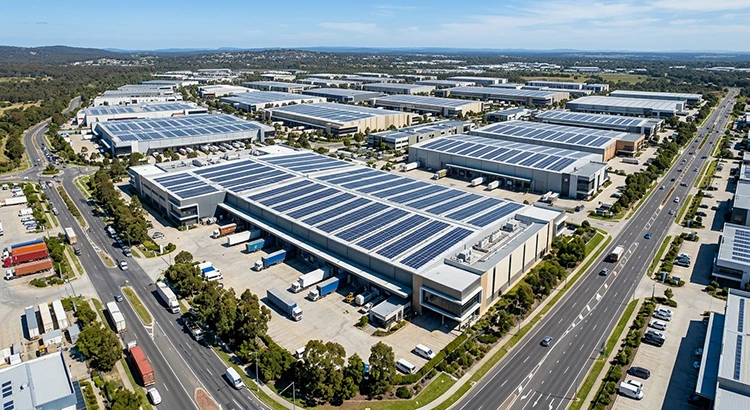
The City of Canning is exploring ways to accelerate rooftop solar adoption across its industrial precincts, with Mayor Patrick Hall highlighting the significant opportunity presented by the extensive roof space available on commercial and industrial buildings.
The Welshpool and Canning Vale industrial areas together accommodate approximately 1,500 businesses and contribute a major share of the city’s economic output. According to the mayor, these large rooftops could play an important role in increasing local renewable energy generation while helping businesses reduce electricity costs and improve long-term energy sustainability.
Despite the potential, several challenges continue to slow the adoption of rooftop solar across industrial properties. One of the biggest obstacles is that many warehouses are leased rather than owner-occupied. Property owners may be hesitant to invest in large solar installations due to upfront costs, ongoing maintenance responsibilities, and future equipment replacement requirements, even though tenants are the primary beneficiaries of lower electricity bills.
The topic was recently discussed during a renewable energy presentation involving Curtin University, Western Power, Synergy, and representatives from the South East Corridor Councils Alliance (SECCA), which includes the Cities of Canning, Armadale, Gosnells, and the Town of Victoria Park. The collaboration focused on identifying practical ways to improve renewable energy adoption across the region.
Incoming SECCA Chair and Armadale Mayor Ruth Butterfield said industrial and commercial precincts represent one of Western Australia’s largest untapped renewable energy opportunities. She noted that businesses typically use most of their electricity during daylight hours, making rooftop solar a practical solution for reducing operational costs. Combined with battery storage, electric vehicle charging infrastructure, and smart energy management systems, these technologies can also improve energy resilience and strengthen business competitiveness.
Local governments are also examining how community facilities, recreation centres, public buildings, and electric vehicle fleets could become part of broader distributed energy networks that support economic growth while reducing emissions.
Experts believe the barriers are no longer primarily technological. Distinguished Professor Peter Newman from Curtin University said the cost of solar panels and battery storage has fallen significantly in recent years, making the technology more affordable than ever. He suggested that greater collaboration between businesses could help unlock improved energy arrangements and create long-term financial benefits while supporting the wider electricity network.
Council leaders have also highlighted the importance of government support through commercial solar incentives, low-interest finance, independent energy advisory services, and demonstration projects to encourage wider uptake across industrial sectors.
The discussion comes as the Australian Government continues investing in community battery infrastructure, including a new battery planned for Ranford Oval in Canning Vale. The project forms part of a broader rollout across Perth and Bunbury that aims to store excess rooftop solar energy generated during the day and supply it back to the grid during evening peak demand, improving grid stability and supporting the continued growth of renewable energy.
Are You Planning to Install Solar for Your Business?
Fritts Solar is a leading solar installation company in Perth, delivering reliable commercial solar and battery solutions for businesses. Our experienced team can help you understand your options, recommend the right solar and battery system, and provide expert guidance on installation. Get a free consultation today to discuss the best option for your business.
Source: PerthNow – Industrial revolution: Mayor’s bright idea to boost rooftop solar power