
Smart Solar Systems: What They Are and How They Work
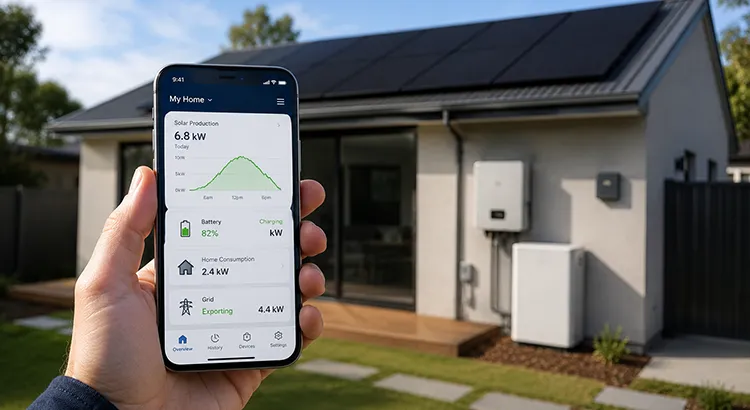
Smart solar systems combine solar panels with intelligent energy management technology to help homeowners generate, store, monitor, and use electricity more efficiently.
Unlike traditional solar systems that mainly focus on generating electricity from sunlight, smart solar systems can monitor energy production and consumption, control battery storage, and automatically manage when and how electricity is used. This can help homeowners make better use of their solar energy, reduce grid dependence, and lower electricity costs.
As solar technology continues to evolve, smart energy management is becoming an important part of creating more efficient and connected homes.
What Is a Smart Solar System?
A smart solar system is an advanced solar energy setup that uses connected technology to manage electricity more intelligently.
A traditional solar system generates electricity when sunlight is available. The electricity can then be used by household appliances, stored in a battery if one is installed, or exported to the grid.
A smart solar system adds another layer of intelligence. It continuously monitors energy generation and household consumption and can automatically determine where available electricity should go.
For example, during the middle of the day, solar panels may produce more electricity than the home needs. A smart system can direct this excess energy towards charging a battery instead of immediately sending it to the grid. Later, when solar production falls, the stored electricity can be used to power the home.
This approach helps maximise the amount of solar energy used within the property.
How Does a Smart Solar System Work?
A smart solar system works by connecting several components that communicate with each other and respond to changing energy conditions.
The basic process starts with solar panels generating electricity from sunlight. A smart inverter converts the electricity into a form that household appliances can use while also monitoring the system’s performance.
An energy management system then looks at factors such as solar production, household consumption, battery charge levels, and grid electricity use. Based on this information, it can determine how energy should be distributed.
A typical smart solar system works through these stages:
- Solar panels generate electricity from sunlight during the day.
- The smart inverter converts and manages the electricity for household use.
- Energy monitoring tracks production and consumption in real time.
- The energy management system analyses available power and household demand.
- Excess electricity can charge the battery for later use.
- Stored energy can supply the home when solar production is low.
- Surplus electricity can be exported to the grid when appropriate.
This continuous monitoring and management is what makes a solar system smart.
Key Components of a Smart Solar System
Solar Panels
Solar panels are the starting point of the system. They capture sunlight and convert it into direct current (DC) electricity.
The amount of electricity produced depends on factors such as sunlight availability, panel capacity, orientation, shading, and weather conditions.
In a smart solar setup, information about solar production can be monitored in real time, allowing the energy management system to understand how much electricity is available.
Smart Inverter
The inverter is one of the most important components of a smart solar system.
It converts the DC electricity generated by solar panels into alternating current (AC) electricity that can be used by household appliances.
A smart inverter can also provide information about energy generation and system performance. Depending on the system, it may communicate with batteries, energy management software, and other connected devices.
This allows the system to respond to changes in energy production and household demand.
Solar Battery Storage
A solar battery stores excess electricity generated by the solar panels.
Without battery storage, surplus solar power may be exported to the grid when household demand is low. With a battery, some of that excess energy can be stored and used later.
For example, a home may generate plenty of solar electricity during the afternoon but require more electricity in the evening. The battery can store some of the afternoon production and supply it when solar generation decreases.
This can increase self-consumption and reduce the need to purchase electricity from the grid.
Energy Monitoring System
Smart solar systems use monitoring technology to provide detailed information about household energy.
Homeowners can typically see:
- How much electricity the solar panels are generating
- How much energy the home is consuming
- How much electricity the battery is storing
- How much stored energy is being used
- How much electricity is being imported from the grid
- How much excess solar energy is being exported
This information can be accessed through a smartphone app or online monitoring platform, depending on the system.
How Smart Solar Manages Energy
One of the biggest differences between traditional and smart solar systems is how they manage available electricity.
Imagine your solar panels are producing 8 kW of electricity while your home is using only 3 kW. There is 5 kW of excess solar energy available.
A smart energy management system can determine what to do with this surplus electricity. If a battery is available and needs charging, the system can prioritise battery charging. If the battery is already full, the remaining energy may be exported to the grid or directed towards compatible household loads.
The system can also respond when household demand changes.
For instance, if an electric vehicle needs charging, the system may be able to use available solar electricity to charge it rather than drawing as much power from the grid.
This intelligent distribution helps reduce unnecessary energy imports and makes better use of available solar generation.
Real-Time Monitoring and Remote Control
Smart solar technology gives homeowners greater visibility into their energy use.
Through a monitoring app, users can check their system from a smartphone or other connected device. Instead of simply receiving an electricity bill at the end of the billing period, homeowners can see how their energy system is performing throughout the day.
This can reveal useful patterns.
You may discover that your home consumes most of its electricity in the evening or that certain appliances use significantly more energy than expected. With this information, you can adjust your habits or automate specific loads to make better use of solar power.
Some systems also allow remote control of certain functions, giving homeowners greater flexibility over their energy management.
Smart Solar and Home Automation
Smart solar systems can also work alongside home automation technology.
Connected appliances and energy-consuming devices can be managed according to solar availability and household demand.
For example, a smart system could prioritise running a washing machine, dishwasher, pool pump, or electric vehicle charger when solar production is high.
Instead of using grid electricity at any time, these devices can potentially operate when more renewable energy is available from the solar system.
This creates a more connected energy ecosystem where solar generation, storage, and household consumption work together.
What Are the Benefits of Smart Solar Systems?
Better Energy Efficiency
Smart energy management helps homeowners use more of the electricity their solar system produces. By matching energy generation with consumption, the system can reduce unnecessary energy waste.
Lower Electricity Costs
Using more self-generated solar electricity can reduce the amount of electricity purchased from the grid. Battery storage can further reduce grid reliance by providing stored solar energy when the panels are not producing enough.
Greater Energy Control
Smart monitoring gives homeowners a clearer understanding of how their property generates and consumes electricity. This makes it easier to identify inefficient energy habits and make informed decisions.
Improved Use of Battery Storage
Instead of simply storing energy whenever excess electricity is available, an intelligent system can manage battery charging and discharging based on household demand and system conditions.
Convenient Energy Management
Automation reduces the need for homeowners to manually manage every part of their solar system. Once configured, the system can automatically respond to changes in solar production and energy consumption.
Smart Solar Systems and the Grid
Smart solar systems can also interact with the electricity grid.
When solar production exceeds household consumption and battery storage is full, excess electricity can be exported to the grid where local regulations and energy programs allow it.
Smart energy management can help determine when electricity should be used, stored, or exported.
In some markets, electricity prices can vary depending on the time of day. Advanced systems may use this information to manage stored energy more strategically. However, the exact options available depend on the electricity retailer, tariff structure, local regulations, and system configuration.
Is a Smart Solar System Worth It?
A smart solar system can be particularly useful for homeowners who want more control over their energy use rather than simply generating solar electricity.
It can be valuable for homes with higher electricity consumption, battery storage, electric vehicles, or multiple smart appliances. However, the right setup depends on the property’s energy requirements, solar capacity, budget, and future energy plans.
The additional technology can also increase the upfront cost compared with a basic solar installation. Homeowners should therefore consider both the initial investment and the potential long-term benefits before choosing a system.
Conclusion: Making Solar Energy Smarter
Smart solar systems go beyond simply generating electricity from sunlight. They combine solar panels, smart inverters, battery storage, monitoring technology, and automation to manage energy more intelligently.
By tracking electricity production and consumption in real time, these systems can help homeowners use more solar energy, reduce grid dependence, improve energy efficiency, and gain greater control over their electricity use.
As battery storage, home automation, and intelligent energy management continue to advance, smart solar systems are likely to become an increasingly important part of modern energy solutions.
Smarter Solar Starts with the Right System
Smart solar systems combine solar generation, energy storage, monitoring, and intelligent controls to help you make better use of the energy your system produces. At Fritts Solar, we offer advanced solar installation in Perth, helping homeowners choose and install smart energy solutions designed around their energy needs. Contact us today to discuss your solar installation options.