
Commercial Solar Rebate Expansion: SRES Eligibility Increases from 100 kW to 1 MW
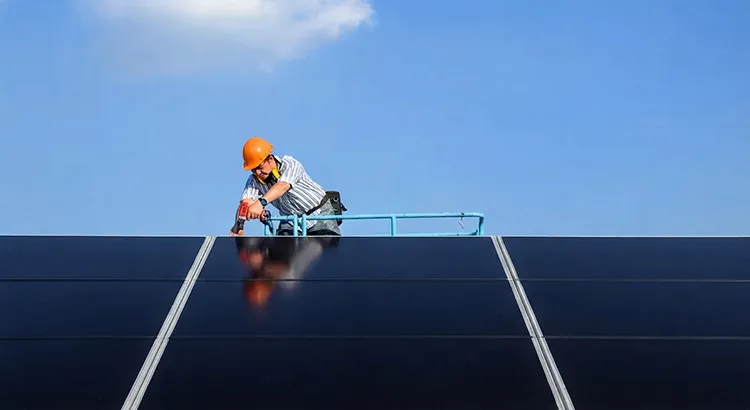
Australian businesses will soon have access to a larger commercial solar incentive opportunity, with the Small-scale Renewable Energy Scheme (SRES) expanding the eligibility limit for solar photovoltaic (PV) systems from 100 kW to 1 MW.
The expanded eligibility is expected to take effect from 1 October 2026, subject to the required regulations being made. This change will allow more commercial rooftop solar projects to access the same type of upfront incentive model that has helped accelerate residential solar adoption across Australia.
The expansion could reduce the upfront cost of eligible commercial solar installations by around 20%, helping more businesses, farms, schools, and organisations consider larger rooftop solar systems.
What Is Changing Under the Commercial Solar Rebate Expansion?
The Small-scale Renewable Energy Scheme (SRES) provides financial incentives for eligible renewable energy systems through Small-scale Technology Certificates (STCs).
Currently, solar PV systems eligible under the SRES are limited to 100 kW. Under the proposed expansion, this eligibility threshold will increase to 1 MW, allowing significantly larger commercial rooftop solar systems to access the same upfront incentive structure.
Previously, many medium-sized commercial solar projects exceeded the existing limit and were unable to benefit from the same incentive model available for smaller systems. The expansion is designed to support the growth of medium-sized commercial solar systems, often described as Australia’s “missing middle”.
Why Is the SRES Expansion Important for Commercial Solar?
Australia has achieved strong growth in residential rooftop solar, with more than one in three Australian homes having solar installed. However, commercial and industrial rooftop solar adoption has not grown at the same pace.
Many commercial properties have large roof areas that receive significant sunlight but are not currently being used for renewable energy generation. These include warehouses, factories, shopping centres, agricultural buildings, schools, hospitals, office buildings, logistics facilities, and other commercial properties with suitable rooftop space.
These properties often have high daytime electricity usage, which aligns well with solar generation. By generating electricity on-site, businesses can reduce their reliance on grid power, improve control over energy costs, and make better use of available rooftop space.
The expansion of SRES eligibility could help unlock more of this unused commercial rooftop potential by making larger solar installations more accessible for businesses and organisations.
How Can the Commercial Solar Rebate Help Businesses?
One of the biggest barriers for commercial solar adoption has traditionally been the upfront investment required.
The SRES expansion could improve the financial viability of larger solar projects by helping reduce the upfront investment required for installation.
Government estimates suggest:
- A 250 kW commercial solar system could save almost $70,000 upfront.
- An 850 kW commercial solar installation could reduce upfront costs by more than $230,000.
Lower upfront costs can help businesses:
- Reduce solar payback periods.
- Improve return on investment.
- Make renewable energy projects easier to approve.
- Allocate capital more effectively.
For many businesses, the rebate expansion could make larger solar installations a more practical investment.
What Does the Expanded Solar Eligibility Mean for Businesses?
Increasing access to incentives for larger solar systems creates opportunities for businesses with higher electricity demand and larger available roof areas.
Previously, some commercial properties required larger solar systems than the available incentive limit allowed, making projects more difficult to justify financially.
The expansion could particularly benefit businesses with high electricity demand, large available roof areas, and long-term goals of reducing energy costs. This includes organisations operating facilities such as manufacturing sites, warehouses, farms, and other commercial properties with suitable rooftop space.
A larger eligibility limit allows businesses to better utilise available roof space and design solar systems that match their energy requirements.
Understanding Small-scale Technology Certificates (STCs)
Under the SRES, eligible renewable energy systems can create Small-scale Technology Certificates (STCs). These certificates provide a financial benefit that reduces the upfront cost of installing eligible systems.
For a renewable energy system to qualify, it must meet specific requirements, including:
- Approved solar panels, batteries, and inverters.
- Compliance with Australian and New Zealand standards.
- Installation by appropriately accredited designers and installers.
- Compliance with relevant state, territory, and federal requirements.
Solar equipment must also meet the required approval standards under the scheme.
Commercial Solar Systems Must Meet Installation Requirements
The SRES incentive is linked to system eligibility and installation compliance.
Businesses planning commercial solar should consider:
- Solar system design requirements.
- Approved equipment selection.
- Electrical compliance.
- Accredited installation professionals.
- Grid connection requirements.
Working with an experienced solar installer helps ensure the system is designed and installed according to applicable requirements.
Faster Grid Connections Could Support More Commercial Solar Projects
The rebate expansion is not the only planned change supporting commercial solar growth.
The Federal Government has also proposed reforms to improve grid connection approval processes for medium-sized commercial solar systems.
Currently, connection approvals can sometimes be slow and unpredictable, creating delays for businesses planning solar projects.
Improving these processes could help more commercial solar projects move from planning to installation faster.
Challenges That Could Affect Commercial Solar Growth
While the rebate expansion could improve the economics of commercial solar, other factors can still affect project decisions.
Industry groups have identified several challenges, including:
- Landlord and tenant arrangements.
- Network pricing.
- Planning requirements.
- Grid connection processes.
Businesses should consider these factors early when planning a commercial solar installation.
Who Should Consider Commercial Solar?
The expanded eligibility could benefit businesses and organisations with large available roof areas, high daytime electricity consumption, and long-term goals of reducing energy costs.
Properties that consume significant electricity during daylight hours are often better positioned to maximise the benefits of rooftop solar generation.
How Businesses Can Prepare for the Commercial Solar Opportunity
Businesses considering commercial solar can begin planning by reviewing their current energy usage and future requirements.
Early preparation can include:
- Reviewing electricity usage.
- Assessing available roof space.
- Understanding future energy requirements.
- Evaluating suitable solar system sizes.
- Considering battery storage options.
- Reviewing grid connection requirements.
Planning early allows businesses to understand their options and prepare for future commercial solar opportunities.
A New Opportunity for Commercial Solar in Australia
The expansion of SRES eligibility will create new opportunities for businesses looking to invest in larger rooftop solar systems.
By allowing larger commercial solar projects to access upfront incentives, the change could help businesses reduce energy costs, make better use of available roof space, and increase renewable energy generation.
For businesses considering solar, understanding system requirements, eligibility conditions, and installation planning will be important when evaluating their options.
Businesses can learn more about eligible systems and SRES requirements through the Clean Energy Regulator’s Small-scale renewable energy systems page.
Explore Commercial Solar Opportunities with Fritts Solar
The expansion of SRES eligibility could create new opportunities for Perth businesses looking to reduce energy costs with larger rooftop solar systems. If your business is considering solar, now is a good time to assess your energy usage, available roof space, and future energy requirements.
At Fritts Solar, we provide professional commercial solar installation services across Perth, helping businesses design and install solar systems tailored to their energy requirements. Contact us today to discuss your commercial solar project and arrange a consultation.