
Energy Saving Tips for Winter: Practical Ways to Cut Electricity Use
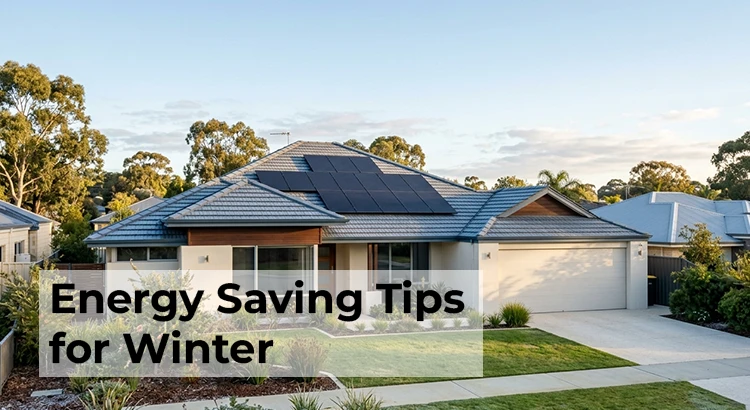
As the cooler months settle in, implementing effective energy saving tips for winter ensures that keeping your home warm does not have to cost a fortune. Households often notice a significant rise in their power and water bills as the temperature drops, but the financial impact can be greatly reduced.
With strategic planning and minor adjustments, you can keep your living spaces completely comfortable while keeping your expenses low. This guide highlights practical and actionable steps to reduce your winter energy consumption.
Free Everyday Actions for Immediate Savings
1. Adjust Your Wardrobe Before Your Heating
Before turning up the heater, put on warmer layers like sweaters and thick socks. Utilizing blankets, rugs, and hot water bottles can add substantial warmth without drawing a single watt of electricity.
2. Close Doors and Block Out Drafts
Heating an entire house is rarely efficient. Close the doors to rooms that are not in use, such as bathrooms or unoccupied bedrooms during the day. Placing a simple door snake at the base of internal doors prevents warm air from leaking out and stops cold air from creeping in. Remember to clean heater filters and vents regularly so your system works at peak efficiency.
3. Optimize Your Thermostat Settings
Aim to keep your indoor heating temperature between 18 and 20 degrees Celsius. Every single degree you add above this range can increase your heating costs by up to 10 percent. Utilize a programmable thermostat to warm your home only when necessary, and ensure it is turned off overnight or when you leave.
4. Eliminate Standby Power Consumption
Many household appliances draw power even when they are turned off. This hidden standby power can represent a noticeable percentage of your electricity bill. Switch off entertainment systems, computers, and gaming consoles at the wall when they are not active.
5. Use Ceiling Fans in Reverse
Many modern ceiling fans feature a reversing switch designed for winter use. Because warm air naturally rises to the ceiling, operating your fan in reverse at a low speed gently redistributes that trapped heat back down into your living areas.
6. Capitalize on Natural Sunlight
The sun provides free, natural warmth. Open your curtains wide on sunny days to let the light heat your rooms. Be sure to close them tightly before dusk to trap that accumulated warmth inside.
7. Keep Shower Times Short
Water heating is a major contributor to domestic energy consumption. Avoid using hot showers simply to warm up your body. Aiming for a four-minute shower can lead to massive savings over the winter months.
8. Utilize Natural Drying Options
Electric clothes dryers are convenient but highly energy intensive. Take advantage of dry or windy days by using outdoor clothes lines or placing indoor racks near windows. If your heater is already running, indoor drying can make excellent use of the existing warmth.
9. Compare Energy Providers
Do not assume your current energy retailer is giving you the absolute best rate. Take time to check government price comparison platforms to evaluate current electricity and gas offers. A quick call to your provider asking for a better deal can often yield immediate results.
10. Minimize Food Waste
A surprising amount of household expense comes from throwing away food. Planning your meals, using shopping lists, and checking your pantry before visiting the grocery store prevents waste and saves money while reducing environmental impact.
Low-Cost Upgrades for Better Efficiency
1. Seal Gaps and Drafts
Draught proofing is one of the most economical ways to preserve indoor comfort. Sealing gaps around window frames, external doors, and skirting boards can slash your heating bills. Installing weather seals on doors and draft stoppers on exhaust fans keeps the warmth right where you want it.
2. Transition to LED Lighting
Switching old bulbs to LEDs is an easy upgrade. LEDs use significantly less energy and last much longer than traditional halogen or incandescent alternatives because they convert almost all energy into light rather than wasting it as heat.
3. Enhance Window Insulation
Windows can be a primary source of heat loss. Hanging heavy curtains with thermal linings or installing fitted pelmets above your windows makes a dramatic difference. For a budget-friendly alternative to double glazing, consider applying specialized thermal window films.
4. Upgrade to Efficient Showerheads
Since hot water demands so much electricity, installing a water-efficient showerhead is a smart investment. These devices limit water flow without sacrificing pressure, lowering both your water and heating expenses.
5. Assess with an Energy Audit
Using a self-guided home energy toolkit allows you to track exactly where your power goes. Identifying inefficient appliances and habits helps you build a clear, customized action plan for your household.
Long-Term Investments for Lasting Value
1. Comprehensive Home Insulation
A well-insulated roof, wall, and floor structure can reduce overall heating and cooling costs by nearly half. Insulation slows down heat transfer, keeping your home warm in winter and cool in summer. If you live in an older home, retrofitting insulation through a certified professional is a highly valuable upgrade.
2. Double Glazing
If you have the budget for structural improvements, double-glazed windows offer exceptional thermal performance. This is especially useful for large windows where curtains or blinds are impractical.
3. Capitalize on Rooftop Solar Power
Installing a rooftop solar system is one of the most effective ways to lower your long-term power bills and minimize your environmental impact. To ensure your system is perfectly tailored to your roof layout and household consumption, it is crucial to partner with an experienced solar installer who understands local climate conditions and government rebate schemes.
4. Add Battery Storage
A solar battery allows you to store excess energy generated during the day for use at night or during cloudy periods. Government incentives often provide discounts on eligible battery installations, maximizing your energy independence and protecting you against peak electricity pricing.
5. Prioritize Efficiency During Renovations
If you are planning a home renovation, integrating smart, energy-efficient choices early in the design phase will pay dividends for decades. Consult with experts to select sustainable materials and climate appropriate systems that guarantee long-term comfort and low utility costs.
Winter Safety and Maintenance
While keeping warm is important, safety must always come first. Never leave portable heaters unattended, and keep them far away from flammable materials. Avoid overloading power boards or using extension cords for high wattage heating appliances.
For gas heating systems, carbon monoxide safety is vital. Ensure your gas heaters are installed and serviced regularly by a licensed specialist, and always maintain proper room ventilation to avoid dangerous gas buildup. Finally, ensure your smoke alarms are fully functional, clean your gutters to reduce fire risks, and roll rather than fold your electric blankets to prevent internal damage.
Reviewing your habits and making targeted upgrades ensures your home remains a warm, safe, and cost-effective sanctuary all winter long.