
The Environmental Impact of Commercial Solar Systems
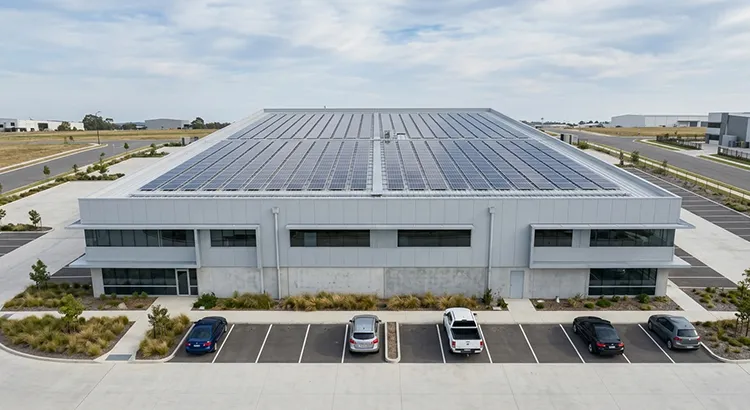
The environmental impact of commercial solar systems is becoming a major focus for businesses that want to balance operational efficiency with sustainability goals. Commercial solar systems are large-scale photovoltaic installations designed to generate electricity for offices, warehouses, factories, and other commercial facilities, helping organizations reduce reliance on conventional grid power.
As companies face increasing pressure to reduce their carbon footprint, understanding environmental outcomes has become just as important as evaluating financial savings. This is why many businesses are turning to resources like Commercial Solar Systems: The Ultimate Guide for Perth Businesses early in their research journey.
The growing adoption of solar energy in commercial sectors reflects a broader shift toward cleaner energy solutions that support long-term environmental responsibility and energy independence.
Sustainability and Environmental Impact of Commercial Solar Systems
The following points highlight the major environmental benefits associated with commercial solar adoption.
1. Reduction in carbon emissions
Commercial solar systems significantly reduce carbon emissions by replacing electricity generated from fossil fuel-based power plants. Traditional energy sources such as coal and natural gas release large amounts of carbon dioxide into the atmosphere, contributing to global warming.
Solar energy generation produces electricity without combustion, which means no direct greenhouse gas emissions during operation. Over time, large-scale commercial installations can offset tons of carbon dioxide annually, helping businesses actively contribute to climate change mitigation and long-term environmental protection.
2. Reduction in air pollution
One of the most important environmental benefits of commercial solar systems is the reduction of air pollutants. Conventional power generation releases harmful gases such as sulfur dioxide, nitrogen oxides, and particulate matter, which can negatively affect human health and environmental quality.
Solar energy eliminates these emissions during electricity production, resulting in cleaner air in surrounding communities. As more commercial facilities adopt solar systems, the cumulative reduction in air pollution supports improved respiratory health outcomes and contributes to healthier urban environments overall.
3. Minimal water use in operation
Commercial solar systems require very little water during electricity generation, making them highly efficient from a water conservation perspective. Unlike coal, gas, or nuclear power plants that rely heavily on water for cooling processes, solar photovoltaic systems generate electricity without ongoing water consumption.
This is especially important in regions facing water scarcity or drought conditions. By reducing dependence on water-intensive energy production methods, commercial solar installations help preserve freshwater resources and support more sustainable long term environmental management practices.
4. Use of renewable energy source
Solar energy is derived from sunlight, an abundant and renewable natural resource that is available globally. Unlike fossil fuels, which are finite and depleting, sunlight cannot be exhausted through human consumption.
Commercial solar systems harness this clean energy source to produce electricity without depleting natural reserves or causing environmental degradation. This renewable nature ensures long term sustainability and reduces dependence on environmentally harmful extraction processes such as mining and drilling. It also supports a stable and predictable energy supply for businesses.
5. No operational noise or emissions
Commercial solar systems operate silently and produce no direct emissions during electricity generation. Unlike diesel generators or industrial power equipment, solar panels have no moving parts, which eliminates mechanical noise and reduces operational disturbances.
This makes solar installations ideal for urban and suburban commercial environments where noise pollution can be a concern. The absence of combustion-based processes also means there are no fumes, smoke, or toxic byproducts released during operation, contributing to cleaner and more comfortable surroundings for workers and nearby communities.
6. Reduction in fossil fuel dependence
By generating electricity on site, commercial solar systems reduce reliance on grid electricity that is often produced using fossil fuels. This shift decreases demand for coal and natural gas power generation, which are major contributors to environmental degradation.
As more businesses adopt solar energy, overall pressure on fossil fuel-based infrastructure declines. This transition helps stabilize energy demand patterns and encourages investment in cleaner alternatives. Reduced fossil fuel dependence also strengthens energy security while supporting broader environmental sustainability goals at regional and national levels.
7. Support for cleaner energy transition
Commercial solar adoption plays a key role in accelerating the global transition toward cleaner energy systems. As businesses invest in renewable technologies, they create demand that encourages innovation and expansion in the solar industry. This shift supports the development of advanced energy storage, smarter grids, and improved renewable integration.
Commercial installations also demonstrate real world viability of clean energy at scale, inspiring wider adoption across industries. Together, these factors contribute to a faster transition away from high-emission energy systems toward sustainable alternatives.
For a deeper understanding of how solar supports sustainability goals and long-term efficiency, explore insights on commercial solar energy systems for modern business operations. This helps businesses evaluate both environmental and operational advantages in a structured way before making investment decisions.
Closing Thoughts on Environmental Impact of Commercial Solar Systems
Commercial solar systems offer a wide range of environmental benefits that make them a strong alternative to traditional energy sources. They significantly reduce carbon emissions, improve air quality, conserve water, and eliminate operational noise and direct pollution.
By utilizing sunlight, a renewable and inexhaustible energy source, these systems support long term sustainability while reducing dependence on fossil fuels. The growing adoption of solar energy in commercial sectors highlights a clear shift toward cleaner and more responsible energy practices.
Over time, this transition contributes to a healthier environment and more stable energy systems. As businesses continue to prioritize sustainability, commercial solar solutions will remain a key driver in reducing environmental impact and supporting global climate goals.
Powering Sustainable Business with Clean Solar Solutions
Fritts Solar is committed to helping businesses move toward cleaner and more efficient energy systems through tailored solar solutions designed for long-term performance and environmental benefit. By focusing on quality installations and optimized system design, we help reduce operational energy costs while supporting sustainability targets. Whether you are upgrading existing infrastructure or planning a new commercial project, our team ensures a smooth and informed process from start to finish. Get a customised quote today and take the next step toward a more sustainable energy future.