
Commercial Solar System Maintenance: Tips to Maximise Efficiency
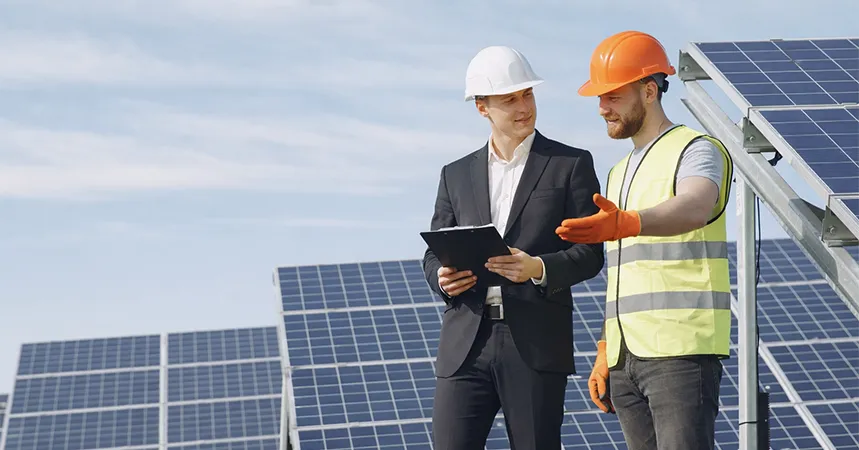
Commercial solar system maintenance is essential for keeping large-scale solar installations efficient, reliable, and capable of producing consistent energy for businesses. Businesses that invest in solar power expect consistent performance, reduced electricity costs, and long-term sustainability benefits. However, achieving these goals requires regular monitoring, cleaning, and professional inspections to keep the system working at its best.
For a broader understanding of how solar works in commercial environments, explore Commercial Solar Systems: The Ultimate Guide for Perth Businesses, which explains system design, installation considerations, and long-term benefits for companies. Understanding the fundamentals of solar infrastructure makes it easier to appreciate why maintenance is so important.
Maintaining commercial solar systems is particularly important because they operate on a much larger scale than residential installations. They include more panels, complex electrical components, and higher energy loads. This means maintenance strategies must be more structured and proactive to avoid performance issues.
This guide explores the importance of commercial solar system maintenance, the advantages of maintaining solar equipment properly, and simple steps businesses can follow to keep their systems running efficiently for years.
Why Commercial Solar System Maintenance Is Important
Regular maintenance ensures that solar systems perform efficiently, remain safe, and continue delivering energy savings over time. The key benefits of maintaining commercial solar systems are outlined below.
1. Ensures Maximum Energy Production
Dust, debris, and environmental buildup can gradually reduce the efficiency of solar panels. When panels are not cleaned or inspected regularly, they absorb less sunlight and generate less electricity. Regular solar system maintenance in Perth ensures panels remain clear and able to produce the expected level of energy for businesses.
2. Prevents Expensive Repairs
Small issues such as loose wiring, minor cracks, or inverter warnings may seem insignificant at first. However, if ignored, they can develop into serious faults that require expensive repairs or system downtime. Routine inspections allow technicians to detect and resolve small problems early before they escalate.
3. Extends System Lifespan
Commercial solar installations are designed to operate for decades, often exceeding twenty five years of service. Consistent maintenance protects important components such as panels, inverters, and mounting systems. By identifying wear and addressing issues early, businesses can extend the operational life of their solar infrastructure.
4. Improves System Safety
Solar systems include electrical components that require regular safety checks. Over time, exposure to weather, heat, and environmental conditions can affect cables, connectors, and electrical components. Maintenance ensures these systems remain safe, compliant with electrical standards, and capable of operating without risk to personnel or property.
5. Protects Return on Investment
Businesses invest in solar systems primarily to reduce long-term energy expenses. Without proper maintenance, system efficiency can decline and reduce expected savings. Maintaining the solar system ensures reliable performance, stable energy production, and continued financial benefits throughout the life of the installation.
Tips for Commercial Solar System Maintenance
Maintaining a commercial solar system does not have to be complicated, but it does require a consistent and proactive approach. The following tips can help businesses keep their solar systems operating efficiently and reliably.
1. Monitor System Performance Regularly
Regular performance monitoring is one of the most effective ways to maintain a commercial solar system. Most modern solar installations include monitoring software that tracks energy production, system efficiency, and operational status. Businesses can review this data daily, weekly, or monthly to confirm that the system is producing the expected amount of electricity.
If energy production suddenly drops or fluctuates without a clear reason, it may indicate an issue such as panel obstruction, inverter malfunction, or electrical faults. Identifying these problems early allows technicians to address them before they lead to larger performance losses. Consistent monitoring also helps businesses understand seasonal production patterns and overall system efficiency.
2. Keep Solar Panels Clean
Solar panels must remain clean in order to capture sunlight effectively. Over time, dust, dirt, leaves, pollen, and bird droppings can accumulate on the panel surface. This buildup blocks sunlight and reduces the amount of energy the panels can generate.
Commercial solar systems often cover large rooftop areas, making them more exposed to environmental debris. Periodic cleaning helps remove this buildup and ensures that panels can absorb sunlight without obstruction. In areas with high dust levels or frequent pollution, cleaning may need to be scheduled more frequently. Proper cleaning practices help maintain consistent performance and prevent gradual energy loss over time.
3. Schedule Routine Professional Inspections
Professional inspections are an essential part of maintaining commercial solar systems. While basic monitoring can identify performance changes, trained technicians are needed to evaluate the physical and electrical condition of the system.
During a professional inspection, technicians examine the panels, inverters, mounting structures, wiring, and connectors to ensure everything is functioning properly. They also check for potential issues such as loose components, corrosion, water intrusion, or structural wear. These inspections help detect problems that may not be visible through monitoring systems alone. Routine inspections ensure the system remains safe, compliant with electrical standards, and capable of operating efficiently.
4. Check Inverter Operation
The inverter is a central component of any solar system because it converts the direct current generated by solar panels into usable alternating current for the building. If the inverter does not operate correctly, the entire solar system may produce little or no usable electricity.
Businesses should periodically check inverter status indicators and review monitoring data to confirm that it is operating normally. Warning lights or unusual performance data may indicate faults that require technical attention. Ensuring the inverter functions correctly helps maintain consistent energy conversion and supports reliable system performance.
5. Inspect Wiring and Electrical Connections
Electrical wiring is an important part of commercial solar infrastructure. Over time, weather exposure, temperature changes, and environmental conditions can affect cables, connectors, and electrical components. Loose or damaged wiring may reduce system efficiency and pose potential safety risks.
Routine inspections help ensure that all electrical connections remain secure, properly insulated, and free from corrosion or damage. Checking wiring regularly helps prevent electrical faults, energy losses, and system disruptions. Maintaining these components also supports long-term safety and system reliability.
6. Watch for Shading Issues
Shading can significantly affect solar energy production. Even partial shading on a few panels can reduce the performance of the entire system. When commercial solar systems are first installed, the surrounding environment is evaluated to minimise shading. However, conditions can change over time.
Trees may grow taller, new equipment may be installed on the roof, or nearby buildings may create additional shadows. Periodically reviewing the solar installation area helps identify new shading sources that could affect performance. Addressing these issues early helps maintain consistent solar output and prevents unnecessary energy losses.
7. Maintain Surrounding Areas
The area around a commercial solar installation should be kept clean and well-maintained. Debris, overgrown vegetation, or stored equipment can obstruct airflow and interfere with system components. Maintaining clear surroundings helps protect the solar equipment and ensures proper ventilation around electrical components.
Good site maintenance also makes it easier for technicians to access the system for inspections and repairs. Regularly clearing debris and maintaining the installation area reduces the likelihood of physical damage and supports the overall efficiency of the solar system.
8. Keep Maintenance Records
Maintaining detailed records of inspections, cleaning schedules, monitoring reports, and repair work is an important aspect of commercial solar management. Proper documentation allows businesses to track system performance over time and identify recurring issues that may require attention.
Maintenance records also help technicians understand the history of the system when performing inspections or repairs. Having clear documentation makes it easier to plan future servicing, schedule maintenance tasks, and ensure the solar system continues to operate efficiently for many years.
Businesses that want to understand commercial solar systems more thoroughly can also explore the guide on commercial solar systems for Perth businesses, which explains how these systems work, important installation considerations, and how they help companies reduce energy costs while improving sustainability.
Conclusion of Commercial Solar System Maintenance
Commercial solar system maintenance is essential for ensuring long-term performance, reliability, and safety. Regular inspections, cleaning, and system monitoring help businesses maintain optimal energy production while preventing costly repairs.
By following a consistent maintenance routine, businesses can protect their solar investment, extend the lifespan of their equipment, and continue benefiting from clean and cost-effective energy for many years.
Keep Your Commercial Solar System Performing Efficiently
Fritts Solar provides reliable maintenance support for businesses that want their commercial solar systems to operate at peak efficiency. Regular inspections, performance monitoring, and professional maintenance services help ensure that solar installations continue producing consistent energy while minimising the risk of unexpected issues. With the right maintenance approach, businesses can protect their solar investment and maintain strong energy savings. Get a quote today to keep your commercial solar system performing efficiently.