
Cost of Solar EV Chargers in Perth: A Complete Breakdown
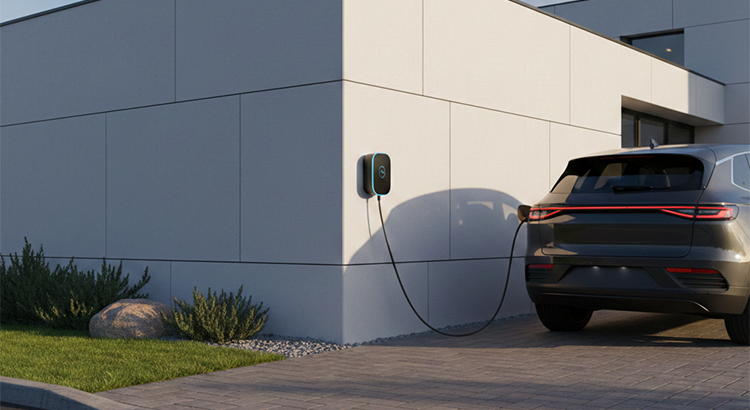
More Perth homeowners are switching to electric vehicles, and many are now exploring solar powered charging as a smarter way to manage rising fuel and electricity costs. If you are new to this topic, Solar EV Chargers in Perth: A Comprehensive Guide for Homeowners provides a helpful overview of how solar energy and EV charging work together in local homes.
One of the most common questions homeowners ask is how much a solar EV charger actually costs. There is no single fixed price, as costs vary based on your home’s electrical setup, the type of charger selected, and installation requirements. A properly designed system focuses on safety, performance, and long-term value rather than unnecessary additions. This article explains the key cost factors so you know what to expect and why prices differ.
What Do Home Solar EV Chargers Typically Cost in Perth?
Typical Price Ranges for EV Chargers
Home EV chargers in Perth generally fall into two broad categories: entry-level chargers and smart solar-compatible chargers. Entry-level chargers are designed to deliver reliable charging without advanced energy management features.
They are usually the most affordable option and suit homeowners who mainly charge their vehicle overnight using grid electricity. Smart solar-compatible chargers sit at a higher price point due to their ability to integrate with rooftop solar systems. Features such as solar optimisation allow the charger to use excess solar energy, while app-based controls provide real-time monitoring and scheduling.
Load management systems further increase value by balancing power usage across the home. Although these chargers cost more upfront, premium models often deliver better long-term performance through improved efficiency, durability, and future-ready technology.
Installation Cost Overview
Professional installation is a critical part of the overall cost and ensures the charger operates safely and reliably. EV chargers draw high electrical loads, which means licensed electrical work, safety devices, and compliance with Western Australia regulations are essential components of every installation.
Installation costs include electrical labor, cabling, mounting, testing, and certification. These are standard requirements rather than optional upgrades. Costs can vary from home to home depending on factors such as switchboard condition, distance between the charger and power supply, and site-specific installation complexity.
Key Factors That Influence the Cost of Solar EV Chargers
The cost of a solar EV charger can vary from one home to another. The main factors that affect pricing are listed below.
1. Charger Type and Features
The type of EV charger you choose has a direct impact on overall cost. Standard chargers are designed for basic charging and are generally more affordable, making them suitable for homeowners with simple charging needs. Smart chargers cost more due to their advanced functionality and ability to work alongside solar systems.
Solar integration capabilities influence pricing because they allow the charger to prioritise solar energy instead of grid electricity. Features such as remote monitoring and scheduling through mobile apps also add value, enabling homeowners to control charging times and track energy usage. Built-in safety protections and load management systems further increase cost, but they play an important role in protecting your home’s electrical system and maintaining stable performance.
2. Electrical Upgrades and Switchboard Work
In some homes, electrical upgrades are required before an EV charger can be installed safely. Switchboard upgrades may be necessary to handle the additional electrical load and meet current safety standards. This is particularly common in older homes that were not designed with EV charging in mind.
These upgrades improve overall system reliability and ensure compliance with Western Australia electrical regulations. While they can add to the upfront cost, they support safe operation and reduce the risk of electrical issues over time.
3. Cabling Distance and Installation Complexity
The distance between your parking location and the main switchboard is another key cost factor. Shorter cable runs usually mean lower installation costs, while longer distances require more materials and labor.
Some properties also present additional challenges that affect pricing. These may include the need for trenching to run underground cables, installing protective conduits, or creating custom mounting solutions for the charger. Each of these elements increases installation complexity and therefore influences total cost.
4. Existing Solar System Setup
Homes with modern, well-designed solar systems often benefit from easier EV charger integration. In these cases, installers can connect the charger more efficiently without major system changes.
Compatibility between your solar inverter and EV charger is important, as it determines how effectively the charger can respond to solar production. In some situations, additional components such as energy meters or control devices are needed to achieve optimal performance, which can affect overall pricing.
5. Home Energy Needs and Future Planning
Many homeowners consider future energy needs when choosing a solar EV charging setup. Some opt for higher-capacity systems to support faster charging speeds or upcoming vehicle upgrades.
Planning ahead for a second EV or the addition of battery storage can also influence current costs. Designing the system with future expansion in mind may involve extra capacity or hardware today, but it helps avoid costly changes later and ensures the system continues to meet evolving household energy demands.
Standard Installation Requirements That Affect Pricing
Compliance and Electrical Safety Standards
All solar EV charger installations in Perth must comply with Western Australia electrical regulations. These standards are in place to ensure that EV chargers operate safely and do not place excessive strain on household electrical systems. Because EV chargers draw high levels of power, licensed installation is mandatory for every home setup.
Using a licensed electrician ensures that the charger is installed correctly, protected by the appropriate safety devices, and integrated properly with your existing electrical system. Certification and inspection are also important parts of the process. They confirm that the installation meets regulatory requirements, supports manufacturer warranties, and provides long-term peace of mind for homeowners.
Optional System Enhancements
In addition to standard installation requirements, some homeowners choose enhancements that improve convenience, efficiency, and overall system performance. These options are not about meeting minimum standards, but about tailoring the system to suit specific household needs.
Smart energy monitoring allows homeowners to track solar production, household consumption, and EV charging in real time. Load management devices help balance power usage across the home, reducing the risk of overloads when multiple appliances are running. Weatherproof charging units offer added durability for outdoor installations, while advanced solar management systems further optimise how solar energy is used throughout the home.
Is Paying More for a Smarter Charger Worth It?
When a Premium Charger Makes Sense
Homes with high daytime solar generation benefit greatly from smart chargers that maximise solar usage. If your roof produces plenty of electricity during the day, a premium charger helps you make the most of that energy.
Work-from-home households also find value in smarter systems. Since their car is often parked during peak sunlight hours, they can charge directly from solar rather than relying on grid power.
EV owners who plan to keep their vehicle for many years may also prefer a higher-quality charger that offers better longevity, software updates, and future compatibility.
When a Standard Charger Works Well
For homeowners who mainly charge overnight, a simpler charger is often sufficient. In these cases, solar optimisation features may be less critical.
Those with smaller solar systems may also find that a basic charger meets their needs without unnecessary complexity.
First-time EV owners who want a straightforward setup often prefer a standard charger that is reliable, easy to use, and budget friendly.
Before making your final decision, you may find it helpful to review a complete homeowner guide to solar powered EV charging in Perth, which walks through readiness, system options, and practical considerations in greater detail.
Conclusion
The cost of installing a solar EV charger in Perth depends on several interconnected factors, including charger type, your home’s electrical setup, and specific installation requirements. There is no one-size-fits-all price, but there is always a logical reason behind every component of the total cost.
A properly installed system delivers safety, efficiency, and long-term value. It protects your home, supports your vehicle, and helps you make better use of your solar energy.
Before moving forward, take time to consider your current home setup, your daily charging habits, and your future energy needs. This thoughtful approach will help you make a confident and informed decision.
Powering Your Drive with Confidence
Fritts Solar helps Perth homeowners integrate solar power with electric vehicle charging in a way that is safe, efficient, and built for the future. From assessing your electrical system to recommending the right charger and completing a compliant installation, we focus on practical solutions that match your home and lifestyle. Contact us today to discuss your solar EV charging options and take the next step toward smarter, cleaner home energy.