
Types of Solar EV Charging Systems for Homes in Perth
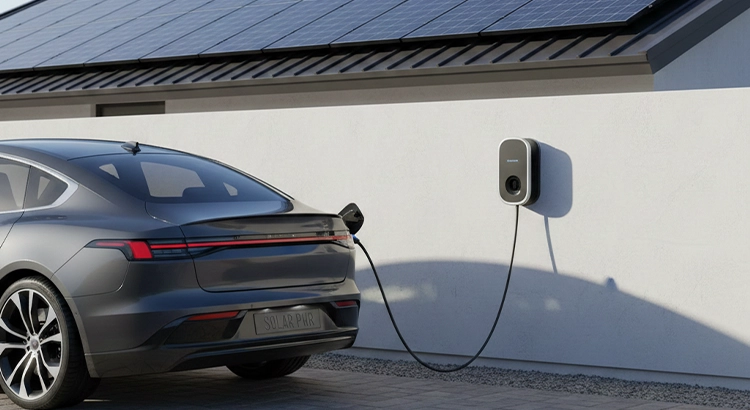
Electric vehicle ownership is growing steadily across Perth, and many homeowners are now exploring ways to power their vehicles more sustainably. One of the most common questions is how solar power can be used effectively for EV charging at home.
If you are starting this journey, it helps to first understand the broader context covered in Solar EV Chargers in Perth: A Comprehensive Guide for Homeowners, which explains the overall concept, benefits, and considerations of combining solar energy with EV charging. Building on that foundation, this article focuses specifically on the different system types available.
There is no one-size-fits-all solution when it comes to solar EV charging. Most residential setups fall into three main categories: grid-connected systems, smart solar diversion systems, and battery-supported systems.
Each option works slightly differently and suits different household lifestyles, solar system sizes, and charging habits. Understanding these differences helps Perth homeowners make confident and practical decisions without needing deep technical knowledge.
Why Solar EV Charging Systems Are Not All the Same
Every home in Perth has unique energy characteristics. Some households have small solar systems installed primarily to offset daytime electricity use, while others have larger systems designed to export surplus power to the grid. Energy consumption patterns also vary. A family with multiple occupants working from home will use electricity very differently from a household that is empty during the day.
EV charging needs also change depending on driving habits. Some drivers only need to charge once or twice a week, while others rely on daily top-ups. Charging during the day aligns well with solar generation, while evening or overnight charging introduces different considerations. This is why planning for EV charger installation carefully, based on your household’s energy use and driving patterns, is important.
Because of these variations, some solar EV charging systems focus on simplicity and affordability, while others prioritize efficiency, control, or long-term energy independence. Knowing how each system type works allows homeowners to choose a solution that fits their lifestyle rather than forcing their lifestyle to fit the technology.
Three Common Solar EV Charging System Types for Perth Homes
There are three main ways homeowners in Perth can set up solar EV charging. Each system works differently, and the details are explained in the sections below.
1. Grid-Connected Solar EV Charging Systems
How Grid-Connected Solar EV Charging Works
A grid-connected solar EV charging system is the most straightforward option. In this setup, your EV charger draws power from your home’s electrical supply. When your solar panels are producing electricity, that solar energy is used first. If solar generation is not enough to meet charging demand, the system automatically draws the remaining power from the grid. There is no battery involved, and the transition between solar and grid power happens seamlessly in the background.
Advantages of Grid-Connected Charging
One of the main benefits of this system is its lower upfront cost. Because there is no battery or advanced control equipment required, installation is relatively simple. Grid-connected charging is also reliable, as your EV can be charged at any time regardless of weather or solar output. This type of system works well with standard residential solar installations and does not require major upgrades in most cases.
Limitations to Consider
While simple, this setup offers limited control over how much solar energy goes directly into your EV. During cloudy days or in the evening, grid electricity will play a larger role. As a result, this system does not maximize solar self-consumption and may still involve higher electricity costs compared to more advanced options.
Who This Setup Is Best For
Grid-connected solar EV charging is well suited to homeowners who are new to electric vehicles, households with smaller solar systems, and drivers who charge occasionally or mainly overnight. It offers a practical entry point into solar EV charging without added complexity.
2. Smart Solar Diversion EV Charging Systems
How Smart Solar Diversion Charging Works
Smart solar diversion systems are designed to make better use of surplus solar energy. These chargers monitor how much solar power your system is producing and how much electricity your home is using. When excess solar power is available, the charger automatically adjusts the EV charging rate to match that surplus. The vehicle charges only when extra solar energy would otherwise be sent back to the grid.
Key Benefits of Smart Solar Diversion
The biggest advantage of this system is increased solar self-consumption. More of the electricity generated on your roof goes directly into your vehicle instead of being exported. This reduces reliance on grid electricity and can lead to better long-term value, especially as electricity prices continue to rise. Smart diversion systems also make excellent use of Perth’s strong daytime solar generation.
Potential Drawbacks
Charging speed in a smart solar diversion setup depends on solar availability. On cloudy days or during winter, charging may be slower or paused altogether. These systems are less suitable when urgent or predictable charging times are required. They also involve slightly more setup complexity compared to basic grid-connected chargers.
Ideal Households for This System
This option works particularly well for work-from-home households, retirees, or anyone with flexible daytime schedules. Homes with medium to large solar systems benefit the most, as they are more likely to generate consistent surplus power during the day.
3. Battery-Supported Solar EV Charging Systems
How Battery-Supported Charging Works
Battery-supported systems add a home energy storage battery to the solar and EV charging setup. During the day, solar panels generate electricity that powers the home, charges the battery, or charges the EV directly. Stored solar energy in the battery can then be used to charge the EV at night or during low solar production periods. Grid use is minimized, and solar energy can be accessed at almost any time.
Benefits of Adding Battery Support
This setup offers greater energy independence and flexibility. Homeowners can charge their EV using solar energy even after sunset. Batteries also provide backup power during outages, adding an extra layer of resilience. Over the long term, battery-supported systems offer strong adaptability as household energy needs grow or change.
Considerations and Cost Factors
The main consideration is the higher upfront investment. Batteries require additional space and careful installation planning. The payback period can be longer compared to other systems, especially if the battery is not used efficiently. These systems perform best when paired with a well-sized solar array that can consistently charge both the battery and the EV.
Homes That Benefit Most from Battery-Supported Charging
Battery-supported charging suits households planning for multiple EVs, homes with high evening charging needs, and homeowners focused on long-term sustainability and energy control. It is often chosen by those looking ahead rather than solving only today’s charging needs.
Comparing the Three Solar EV Charging System Types
Grid-connected systems are generally the most affordable and easiest to install, offering dependable charging with minimal complexity. Smart solar diversion systems sit in the middle, providing better solar usage and moderate flexibility while relying on daytime generation. Battery-supported systems are the most versatile and future-ready but come with higher costs and installation considerations. Charging flexibility, solar efficiency, and long-term scalability increase as you move from basic grid-connected setups to battery-backed solutions.
Choosing the Right Solar EV Charging System for Your Perth Home
Selecting the right system starts with understanding your daily driving habits and when you typically charge your vehicle. Consider how large your existing solar system is and whether it produces surplus power during the day.
Think about future plans, such as adding a second EV or installing a battery later. A professional assessment can help align your energy goals with a system that fits your home safely and efficiently. Ultimately, the best system is the one that complements your lifestyle rather than focusing solely on technology features.
For homeowners who want to make informed choices about powering their electric vehicles with solar energy, you can check out the complete guide to solar EV charging for Perth homeowners for detailed insights and planning tips.
Final Thoughts on Solar EV Charging System Options
Each solar EV charging system type has clear strengths and limitations. Grid-connected systems offer simplicity, smart solar diversion systems improve efficiency, and battery-supported systems deliver flexibility and independence. The right choice balances cost, convenience, and solar usage goals. By understanding these system types, Perth homeowners are better equipped to move forward with confidence and clarity.
Powering Your EV the Smart Way
Fritts Solar works with Perth homeowners to identify solar EV charging solutions that align with real-world energy needs, lifestyle patterns, and future plans. By combining local experience with practical system design, the focus remains on clarity and long-term value rather than complexity. Reach out to us today to discuss your home, your vehicle, and the best path toward smarter solar EV charging.