
Is Your Perth Home Ready for a Solar EV Charger? An Electrical Checklist
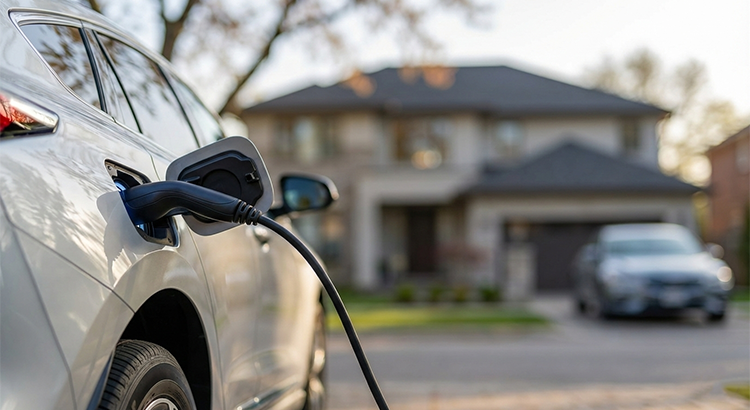
As electric vehicles become more common across Western Australia, many homeowners are looking to power their cars using clean, renewable energy. Early in your research, you may have come across Solar EV Chargers in Perth: A Comprehensive Guide for Homeowners, which explains how solar-powered EV charging works and why it is gaining popularity. Building on that foundation, this article focuses on one critical question: is your home electrically ready to support a solar EV charger?
Installing a solar EV charger is not just about choosing the right charger. Your home’s electrical system must safely handle higher loads, integrate with your solar setup, and comply with local regulations. This electrical checklist will help Perth homeowners understand what to check before moving forward.
Why Electrical Readiness Matters for Solar EV Charging
Solar EV chargers significantly increase household electrical demand. While a typical home runs lighting, appliances, and air conditioning intermittently, EV chargers can draw sustained power for several hours at a time. Without proper electrical readiness, this added demand can overload circuits or compromise safety.
Installing a charger without conducting electrical checks increases the risk of nuisance tripping, overheating cables, and non-compliance with Australian electrical standards. In worst cases, poorly planned installations can lead to equipment damage or fire hazards.
Many older Perth homes were not designed with EV charging in mind. Common issues include outdated switchboards, limited spare circuit capacity, and undersized mains supply. These limitations do not mean solar EV charging is impossible, but they do require proper planning.
By assessing electrical readiness early, homeowners can budget for upgrades, avoid delays during installation, and design a system that works efficiently from day one. Planning ahead also makes it easier to expand solar capacity or add another EV in the future.
Understanding Your Current Electrical Setup
Before adding a solar EV charger, it is important to understand how your home is currently powered.
Main Switchboard Capacity
Most Perth homes operate on either single-phase or three-phase power. Single-phase is common in older or smaller homes, while three-phase is more typical in newer builds or properties with high energy usage.
Single-phase power can support many EV chargers, but charging speeds are usually lower. Three-phase power allows for faster charging and better load distribution across the home. Typical EV chargers require between 16 amps and 32 amps per phase, depending on the charger type and configuration.
You can often identify your switchboard type by looking at the main switch or meter panel. A licensed electrician can confirm your supply type and advise whether an upgrade would be beneficial for solar EV charging.
Available Circuit Capacity
EV chargers must be installed on a dedicated circuit. Sharing a circuit with other appliances is not recommended because EV charging is a continuous load that can easily exceed safe limits.
Signs your home may be running out of capacity include frequent circuit breaker trips, limited space in the switchboard, or recent additions like air conditioners or pool equipment. If there is no spare capacity, switchboard upgrades or load management solutions may be required.
Solar System Compatibility Check
A solar EV charger works best when your solar system can generate enough energy to support charging during daylight hours.
Solar Panel Size and Output
Smaller solar systems may offset some charging costs, but meaningful solar EV charging typically requires a system of at least 6.6 kW. Larger systems provide more flexibility, allowing you to charge your vehicle while still powering household loads.
Matching solar generation with EV charging needs is key. If your car is home during the day, solar-only or solar-priority charging can maximize self-consumption and reduce grid reliance.
Inverter Type and Capacity
Your inverter plays a central role in solar EV charging. Single-phase inverters are common but may limit charging speed. Three-phase inverters provide greater flexibility and are often better suited for higher-capacity chargers.
Not all inverters support direct EV charger integration or smart load control. In addition, Western Australia has export limits that may affect how much solar energy you can send to the grid. A compatible inverter helps ensure excess solar is used efficiently for charging rather than being curtailed.
Smart Meter and Tariff Readiness in WA
Smart meters are increasingly important for solar EV charging in Perth. While not mandatory for all installations, they enable better monitoring and access to time-of-use tariffs.
Time-of-use pricing allows homeowners to charge vehicles during off-peak periods at lower rates when solar generation is low. This can significantly reduce charging costs when combined with solar power.
Synergy customers in the Perth metropolitan area and Horizon Power customers in regional WA may have different tariff structures and requirements. Understanding your retailer’s policies helps ensure your solar EV charger is configured for maximum savings.
Switchboard and Safety Upgrades You May Need
Electrical safety and compliance are non-negotiable when installing an EV charger.
Switchboard Upgrades
A switchboard replacement may be required if your current board lacks space for new breakers, uses outdated components, or does not meet current standards. Modern switchboards provide room for EV circuits, solar protection devices, and future expansion.
EV chargers require dedicated circuit breakers with sufficient rating. Compliance with Australian standards ensures safe operation and insurance coverage.
Safety Devices and Protections
Residual current devices are mandatory for EV charger circuits and protect against electric shock. Surge protection devices help safeguard expensive equipment from voltage spikes, particularly important in areas prone to grid disturbances.
Overload and fault protection prevent damage to wiring and appliances, ensuring your system operates safely under sustained load.
Parking Location and Cable Run Considerations
Electrical readiness also depends on where your vehicle is parked.
The distance between the switchboard and the parking area affects installation complexity and cost. Longer cable runs may require thicker cables or additional protection.
Wall-mounted chargers are ideal for garages or carports, while pedestal chargers suit driveways or shared parking areas. Outdoor installations must be weatherproof and rated for local conditions to ensure long-term reliability.
Future-Proofing Your Home for EV and Solar Growth
Many Perth households plan to own more than one electric vehicle in the future. Preparing for a second charger now can save money later.
Allowing space for solar system expansion ensures your setup can grow with your energy needs. Three-phase upgrades offer greater flexibility and support faster charging.
Smart load management systems automatically balance household loads, solar generation, and EV charging. These systems reduce the need for major electrical upgrades while maximizing solar usage.
When to Call Professional Solar EV Charger Installers in Perth
A qualified electrical technician with EV charging experience should assess your home before installing a solar EV charger. This typically includes reviewing your switchboard, available electrical capacity, solar system setup, and overall electrical safety.
Perth-based installers are familiar with Western Australian regulations, network requirements, and common residential electrical layouts. Their specialized knowledge ensures your solar EV charging system is installed correctly, efficiently, and in full compliance with local standards
Quick Electrical Readiness Checklist
Before installing a solar EV charger, confirm the following:
- Switchboard capacity has been checked
- A dedicated EV charging circuit is available
- Solar system size supports charging needs
- Inverter compatibility has been verified
- A smart meter is installed or planned
- Parking location and cable run are assessed
Before making final decisions, it is worth revisiting a broader overview of how solar-powered EV charging works for Perth homes, including system options, costs, and long-term benefits. You can explore this in our in-depth guide on understanding solar EV charging for Perth homeowners.
Final Thoughts: Is Your Home Solar EV Charger Ready?
Electrical readiness is the foundation of a successful solar EV charger installation. From switchboard capacity to solar compatibility and safety protections, every element plays a role in performance and reliability.
By understanding your current setup and planning upgrades where needed, you can avoid costly surprises and ensure your system supports both today’s needs and tomorrow’s growth. Professional assessments, combined with smart planning, make solar EV charging a practical and future-ready investment.
Powering Your EV the Right Way
Fritts Solar helps Perth homeowners assess electrical readiness, upgrade solar systems, and install compliant solar EV chargers designed for long-term efficiency and safety. If you are considering solar-powered EV charging or want expert advice on preparing your home, contact us today to book a professional assessment and take the next step toward smarter, cleaner driving.