
How Solar EV Chargers in Perth Work at Home: A Step-by-Step Explanation
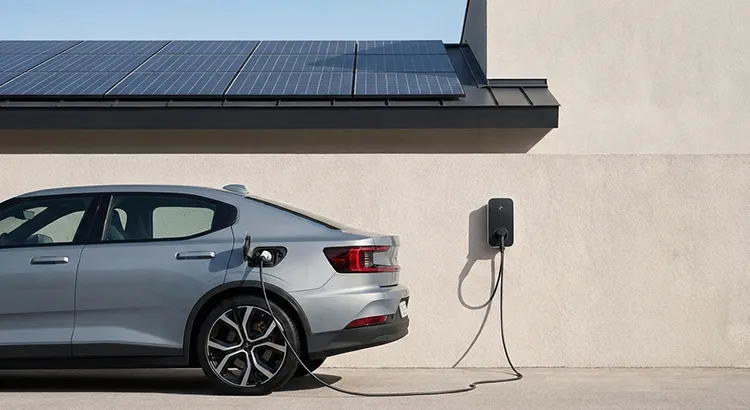
Owning an electric vehicle already feels like a step into the future, but pairing it with solar power takes that experience even further. Before we dive in, many Perth homeowners first read broader guides like Solar EV Chargers in Perth: A Comprehensive Guide for Homeowners , and then arrive here wanting to understand one important thing: how does the whole system actually work at home?
This article walks you through that journey in a clear, everyday way. No engineering terms. No wiring diagrams. Just a simple explanation of what happens between the sun shining on your roof and your EV battery being charged.
You will learn what parts are involved, how the energy moves, what happens on cloudy days, how home batteries fit in, and what this looks like in real-life Perth households. You will understand the basic journey of energy from your solar panels to your EV.
Step-by-Step Guide to How Solar EV Charging Works at Home
Here is a simple walk-through of what actually happens from sunlight hitting your roof to your EV battery being topped up. Each step builds on the previous one, and you do not need any technical background to follow along.
Step 1: Your Solar Panels Generate Electricity
Here is what happens first when your system starts producing power:
- Sunlight hits the solar panels.
- The panels produce electricity in direct current (DC) form.
- The inverter converts that DC electricity into alternating current (AC), which is what your home and EV charger use.
This first step is what makes everything else possible. Once the inverter has converted the power, it is ready to be used by your household and your electric vehicle charger.
Step 2: Your Home Appliances and EV Charger Use That Solar Power
After the inverter has converted the electricity into usable power, it flows into your home.
How Solar Power Is Used in the Home First
Your house works on a very simple principle:
- Whatever electricity your home needs at that moment is supplied first by your solar.
- This includes lights, fridges, washing machines, air conditioning, and so on.
- Your EV charger is simply another appliance in this list.
So when you plug in your EV:
- Your EV charger draws from the same solar supply as your other appliances.
- If plenty of solar power is available, your car uses more solar energy.
- If little solar power is available, your car draws the balance from the grid.
Grid as Backup Power
You never “run out” of electricity just because there is cloud cover.
If solar production is low:
- The grid automatically supplies the additional energy you need.
- You do not have to switch anything manually.
If solar production is high:
- Extra solar energy that is not used by your home can flow to your EV.
- This increases solar self-consumption instead of exporting to the grid for a small feed-in tariff.
Step 3: The EV Charger Controls How Fast Your Car Charges
The EV charger is much more than just a power socket. It is the manager of the charging session.
It does three important things:
- It controls charging speed so your car is charged safely.
- Many modern chargers can adjust automatically to match available solar energy.
- Safety protections prevent overload or unsafe conditions.
You do not need to configure anything highly technical. Most chargers are simple to use, and many Perth homeowners operate them via app or preset schedules.
Step 4: Your EV Battery Stores the Energy
At this point, all the earlier steps have one purpose: filling your EV battery.
A few key things to understand in simple terms:
- The battery is like a large energy tank inside your car.
- How long charging takes depends on:
- your battery size
- your charger speed
- how empty the battery is
- Daytime solar charging usually happens more slowly but very economically.
- Overnight charging usually uses more grid power unless you have a home battery.
Once the energy is stored in the battery, it is available whenever you drive. You do not have to use it immediately.
What Happens on Cloudy Days or at Night?
This is one of the most common questions from Perth homeowners.
Here is the simple answer:
- Cloudy days = lower solar output
- Nighttime = no solar production
In both cases:
- The grid automatically steps in as backup.
- Your car still charges.
- You do not have to monitor or manually switch anything.
A very important reassurance: Most homes in Perth use a mix of solar energy and grid energy when charging an EV. A system does not need to be “100 percent solar” to be worthwhile.
Solar EV Charging with and Without a Home Battery
During solar EV charger installation, the installer will also consider whether you want to use a home battery now or add one later, so the system can be set up with future upgrades in mind.
Without a battery
- Your EV uses solar power only when it is being generated.
- Best suited for people who can charge during the day.
- Simple and cost-effective.
With a battery
- Excess daytime solar power is stored in your home battery.
- That stored energy can later be used to charge your EV at night.
- Helpful for families who are out during the day but want solar benefits.
Again, there is no need to understand battery chemistry or internal systems. Just think of it as extra storage for your solar energy.
Everyday Example Scenarios for Perth Households
Daytime at-home worker
Someone working from home plugs in the EV around midday. Most charging happens directly from solar because production is high.
Busy family charging overnight
A family plugs in their EV after dinner. Solar is not available, so the grid supplies energy, possibly combined with stored battery power if they have one.
Home with battery storage
A household charges their EV in the evening using solar energy stored during the day. This improves solar usage and reduces grid dependence.
These examples show that there is no “one right way”. Solar EV charging adapts to lifestyle.
If you would like to explore the bigger picture about costs, readiness, charger types, and installation, you can read our guide on solar EV charging for Perth homeowners.
Conclusion
Solar EV charging at home is simply about guiding the energy from your roof into your car in a smooth and automatic way. You have now seen how sunlight becomes electricity, how your home uses what it needs, and how your EV charger directs the rest into your vehicle battery.
There is no need for complex controls or technical knowledge for everyday use. Most Perth households find that solar and grid power simply work together in the background. With the basics now clear, you can look at your own home and feel confident about how solar EV charging fits into your daily life.
Power Your EV the Smarter Way
Fritts Solar helps Perth homeowners understand, design, and install solar EV charging solutions that suit their homes and daily routines. Whether you are just exploring options or ready to plan your system, our team can guide you through every step in clear and simple language. Get in touch with us to discuss solar EV charging for your home and get friendly, expert advice tailored to your needs.