
Federal Battery Rebate Changes: What Australians Need to Know
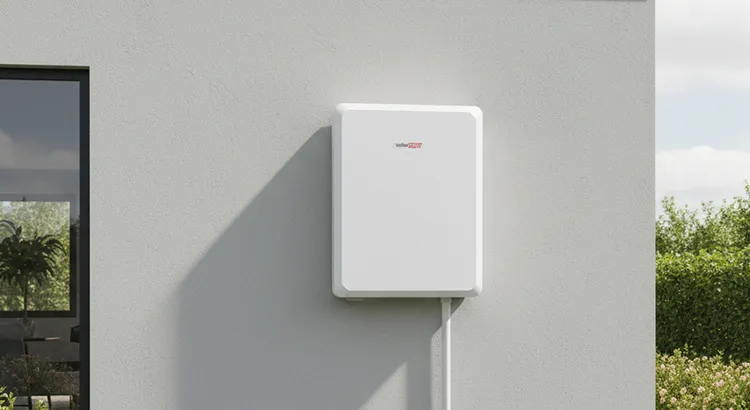
Australia’s federal battery rebate scheme is undergoing a major overhaul after record demand rapidly consumed much of its original budget. Launched to accelerate household battery adoption and support the energy transition, the program has exceeded expectations but also revealed serious design challenges. In response, the federal government has announced a significant funding expansion alongside structural changes aimed at improving fairness, sustainability, and long-term viability.
The following sections explain why the changes were necessary, what exactly is changing, when the new rules apply, and how they will affect households, installers, and the broader energy system.
Why the Federal Battery Rebate Is Being Overhauled
The Cheaper Home Batteries Program was announced ahead of the April federal election and came into effect in July. Under the scheme, households and small businesses can claim a rebate on the upfront cost of installing a battery alongside solar systems.
The original budget allocation of $2.3 billion was expected to last until 2030. However, strong uptake and a surge in large battery installations meant most of that funding was committed within just six months. Analysts warned the budget would be exhausted well before mid-2026 if left unchanged.
Energy Minister Chris Bowen described the situation as managing a program of “success and strength”, noting that Australians embraced the incentive far faster than anticipated. At the same time, industry feedback highlighted that the scheme’s structure unintentionally encouraged oversizing, raising concerns about waste, grid efficiency, and long-term market stability.
Expanded Funding: From $2.3 Billion to $7.2 Billion
To keep the program running and avoid an abrupt end, the federal government has committed an additional $4.9 billion, lifting total funding to $7.2 billion over the next four years.
With this expansion, the government now expects more than two million Australians to install a home battery by 2030. That is roughly double the original forecast and is expected to deliver around 40 gigawatt hours of additional storage capacity to the national energy system.
The funding boost ensures continued access to rebates while allowing the government to reshape the program so benefits are spread more evenly across households.
What Went Wrong with the Original Design
The rebate was calculated per kilowatt hour of usable battery capacity rather than per battery system. This meant larger batteries attracted significantly higher subsidies.
As a result, installers had a strong incentive to sell systems close to the maximum eligible size of 50 kilowatt hours, even though most households typically use only 15 to 20 kilowatt hours of electricity per day. In many cases, consumers paid a similar out-of-pocket amount for very large batteries because the rebate covered so much of the cost.
Industry data showed average battery sizes had grown far beyond expectations, reaching well over 20 kilowatt hours and in some periods approaching 28 kilowatt hours. This accelerated the depletion of the rebate budget and raised concerns about under-used batteries funded by taxpayers.
Key Changes to the Federal Battery Rebate
1. Faster and More Frequent Rebate Reductions
The rebate is delivered through Small-scale Technology Certificates, known as STCs. The STC factor determines how many certificates a battery system can create per kilowatt hour of usable capacity.
Under the revised approach, the STC factor will decline every six months instead of once per year. The reductions will also be steeper, reflecting falling battery costs and helping control overall expenditure.
Proposed STC Factor Changes:
| Year | Period | Existing STC Factor | Proposed STC Factor |
| 2026 | January to April | 8.4 | 8.4 |
| 2026 | May to December | 8.4 | 6.8 |
| 2027 | January to June | 7.4 | 5.7 |
| 2027 | July to December | 7.4 | 5.2 |
| 2028 | January to June | 6.5 | 4.6 |
| 2028 | July to December | 6.5 | 4.1 |
| 2029 | January to June | 5.6 | 3.6 |
| 2029 | July to December | 5.6 | 3.1 |
| 2030 | January to June | 4.7 | 2.6 |
| 2030 | July to December | 4.7 | 2.1 |
2. Declining Rebate Value Per Kilowatt Hour
As the STC factor reduces, the dollar value of the rebate per kilowatt hour will also fall over time.
Estimated Rebate Value Per kWh:
| Period | Approximate Rebate |
| Rest of 2025 | $372 per kWh |
| January to April 2026 | $336 per kWh |
| May to December 2026 | $272 per kWh |
| January to June 2027 | $228 per kWh |
| July to December 2027 | $208 per kWh |
| January to June 2028 | $184 per kWh |
| July to December 2028 | $164 per kWh |
| January to June 2029 | $144 per kWh |
| July to December 2029 | $124 per kWh |
| January to June 2030 | $104 per kWh |
| July to December 2030 | $84 per kWh |
These changes are designed to maintain an overall discount of around 30 percent while preventing runaway costs.
3. Reduced Rebates for Oversized Batteries
To discourage unnecessarily large systems, the government is introducing a tiered rebate structure based on battery size.
Under the new rules:
- The rebate applies at 100% for batteries up to 14 kilowatt hours (kWh).
- For capacity above 14 kWh and up to 28 kWh, the rebate applies at 60%.
- For capacity above 28 kWh and up to 50 kWh, the rebate applies at just 15%.
While batteries up to 100 kilowatt hours nominal capacity may remain eligible, STCs will only be issued for the first 50 kilowatt hours of usable capacity.
When the Changes Take Effect
All major changes, including the tiered rebate system and accelerated STC reductions, will apply to batteries installed from the start of May 2026. Further step-downs will occur each January and July through to the end of 2030.
This delayed start gives households and installers sufficient notice and avoids sudden reductions for systems already quoted or scheduled for installation.
Industry and Government Perspectives
The government maintains that the scheme has been an outstanding success, pointing to nearly 160,000 batteries installed since July and strong uptake in outer suburban and regional areas.
Industry participants broadly support the changes, acknowledging the need to protect the scheme from a sudden collapse. Many believe the revised structure will reduce waste, support more appropriate battery sizing, and help avoid a damaging boom-bust cycle that could destabilise installers, suppliers, and training pipelines.
At the same time, concerns remain around battery quality, system stress from heavy daily cycling, and the risks of consumers prioritising size over performance.
What This Means for Australian Households
For homeowners, the message is clear:
- Batteries remain strongly supported by the federal government.
- Smaller, right-sized systems will deliver the best rebate value.
- Delaying installation beyond mid-2026 will mean lower incentives over time.
For the broader energy system, the revamped scheme is expected to deliver large-scale distributed storage that supports renewable generation, grid stability, and energy security as ageing coal plants retire.
Final Thoughts
The federal battery rebate overhaul reflects both the popularity and the growing pains of Australia’s clean energy transition. With expanded funding, tighter rules, and a clearer focus on sustainability, the updated program aims to deliver long-term benefits without repeating the mistakes of the initial rollout.
For households, installers, and policymakers alike, the changes mark a shift from rapid expansion toward a more balanced and durable approach to home battery adoption.