
Solar Battery Rebates in Perth, WA: A Complete Homeowner’s Guide
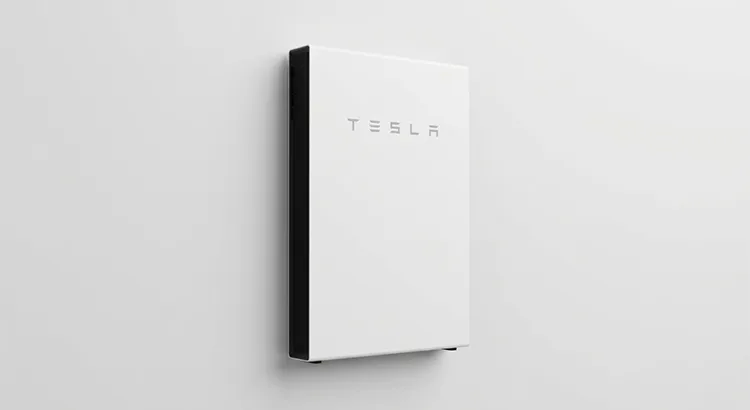
Adding a battery to your solar system in Perth is no longer just about energy independence, it is increasingly about making the most of available rebates and support programs. Western Australia currently offers a combination of state and federal incentives that can significantly reduce the upfront cost of battery storage.
These programs are designed to help households store excess solar energy, reduce reliance on the grid, and manage rising electricity costs more effectively. However, understanding how each scheme works, what you are eligible for, and how to apply is essential if you want to get the full benefit. This guide breaks down the key programs, requirements, and processes in detail.
Table of Content
- WA Residential Battery Scheme
- Cheaper Home Batteries Program
- Interest-Free Solar Battery Loans (Optional)
- Solar Battery Rebate Changes in May: Why Acting Early Matter
WA Residential Battery Scheme
The WA Residential Battery Scheme was introduced as part of a broader government initiative to make battery storage more accessible for households. The program represents a substantial investment, with funding allocated to support rebates and financing options for eligible homeowners.
This scheme primarily supports households connected to the South West Interconnected System (SWIS), which supplies electricity across Perth and much of Western Australia, helping integrate battery storage into the broader grid.
Under this scheme, households can access a rebate that directly reduces the cost of installing a battery system. The total benefit becomes more significant when combined with federal support, allowing households to reduce upfront expenses and improve long-term savings.
One of the key considerations is availability. With a large number of existing solar installations across Western Australia, demand for battery rebates is expected to be high. Since the program is capped, not every household may be able to access it indefinitely.
More details on the scheme are available on the WA Government website.
Rebate structure
The rebate is calculated based on the usable capacity of the battery and is capped at 10 kWh. The amount you receive depends on your electricity provider:
- Synergy customers: $130 per kWh, up to a maximum of $1,300 for a 10 kWh battery
- Horizon Power customers: $380 per kWh, up to a maximum of $3,800 for a 10 kWh battery
Eligibility Criteria
Eligibility is divided into clear categories covering the applicant, property, system requirements, and participation conditions.
1. Who can apply (applicant)
To be eligible, you must:
- Be a permanent resident of Australia
- Be 18 years of age or older
- Be a customer of either Synergy or Horizon Power
For those applying for the optional loan, an additional requirement applies:
- Household gross annual income must be below $210,000 (this is verified during the application process)
2. Property rules (homes)
The scheme applies to residential properties within Western Australia. Eligible scenarios include:
- Residential homes located in WA
- Owner-occupied properties
- Some rental arrangements, provided the necessary approvals between owner and tenant are in place
Common property disqualifiers to watch for
Certain property types or arrangements may not qualify:
- Non-residential buildings
- Properties owned by excluded entity types (such as specific government or institutional ownership categories)
- Apartments or strata properties connected through embedded electricity networks, where eligibility depends on how electricity is metered and billed
3. Battery and inverter rules (product eligibility)
To qualify under the scheme, the system itself must meet minimum requirements:
- The battery must be new and provide at least 5 kWh of usable capacity
- Both the battery and inverter must appear on approved product lists relevant to your provider (such as Synergy or Horizon Power supported solutions)
- All components must meet applicable technical standards and comply with required product certifications
4. VPP participation requirement
Participation in a Virtual Power Plant (VPP) is mandatory to access the rebate or the associated loan.
This means your battery system must be connected to a program that allows coordination with the broader electricity network.
How to Apply (Current Process)
The application process is structured and typically handled through approved vendors rather than directly by homeowners.
Step 1: Confirm eligibility
Start by identifying your electricity provider (Synergy or Horizon Power), confirming your property type, and ensuring you are willing to participate in a VPP.
Step 2: Choose an accredited vendor
Applications must be submitted through approved vendors. Homeowners do not lodge rebate applications themselves.
Step 3: Select approved products
Your chosen vendor will ensure that the battery and inverter meet the required standards and are listed as eligible products.
Step 4: Application submission
The vendor submits the rebate application on your behalf.
If you are applying for the loan, the financing provider will contact you separately to complete income verification and credit checks.
Step 5: Installation and connection
Once approved, installation and system connection take place, including VPP setup.
There are timing and compliance requirements, so installation should proceed promptly after approval rather than being delayed.
Program duration and availability
The scheme is expected to remain available until the allocated number of rebates, up to 100,000, has been fully distributed. Availability may change depending on demand, so checking current status before proceeding is important.
Cheaper Home Batteries Program
This is a national initiative designed to make battery storage more affordable for households and small businesses. It operates alongside state-level incentives and provides additional financial support.
The Cheaper Home Batteries Program offers an upfront reduction in the cost of eligible battery systems, typically around 30 percent. This support is delivered through the Small-scale Renewable Energy Scheme and administered by the Clean Energy Regulator.
The broader goal is to support better use of solar energy, reduce dependence on traditional generation sources, and improve long-term energy affordability.
Learn more about the program on the Australian Government Department of Climate Change, Energy, the Environment and Water website.
Program objectives
- Enable households to store and use more of their own solar energy
- Reduce reliance on grid electricity and high-cost generation
- Support long-term reductions in energy costs
Eligible Battery Systems
Minimum and maximum battery size
To qualify:
- The system must have a nominal capacity between 5 kWh and 100 kWh
- The discount applies to up to 50 kWh of usable capacity
- Electric vehicles are not considered eligible under this program
Battery system composition
Eligible systems must meet Australian standards and can be configured in different ways:
- A single integrated battery unit, or
- A modular system made up of multiple battery units operating together
Additional capacity may qualify if:
- The existing system has not previously received a discount
- The added capacity is at least 5 kWh
- The total system size does not exceed 100 kWh
If a system has already received a discount, further additions are not eligible.
Accreditation of battery systems
Both the battery and its inverter must be listed on the Clean Energy Council approved product list.
On-grid and off-grid systems
Eligible systems can be installed in different configurations:
- On-grid systems connect to the electricity network
- Off-grid systems are located away from network access, either at least one kilometre from a grid line or where connection costs exceed $30,000
VPP capability
Requirements differ depending on system type:
- On-grid batteries must be capable of participating in a Virtual Power Plant
- This includes the ability to connect to the grid and respond to signals from third-party operators
- An active internet connection is required
- Participation is not mandatory, only capability
- Off-grid systems are not required to have VPP capability
How to Access the Battery Discount
Homeowners do not apply directly to the Clean Energy Regulator. Instead, there are two available pathways.
Through accredited installers or retailers
- Contact an accredited installer or battery retailer
- The discount is typically applied upfront or provided after installation
- The installer manages the administrative process
- Any concerns about the discount can be directed to the regulator
Applying directly through the REC Registry
- You can choose to manage the process yourself by creating and trading Small-scale Technology Certificates (STCs)
- This requires registering and operating through the REC Registry
- To do this, you must not assign the right to create STCs to your installer
- STCs can be traded via the Clearing House or open market
- Further guidance is available through official resources on creating and selling certificates
Interest-Free Solar Battery Loans (Optional)
In addition to rebates, eligible households may access a no-interest loan to help manage upfront costs.
Key features include:
- Loan amounts ranging from $2,001 to $10,000
- Repayment terms between 3 and 10 years
- Zero percent interest
Eligibility is means-tested:
- Available to households with a combined annual income below $210,000
- Limited number of loans available
What the loan can cover:
The loan can be used not only for the battery itself but also for related equipment installed as part of the system, including:
- Inverters
- New solar panels
- Replacement or upgraded components
All equipment must be installed as part of a battery package under the scheme.
Solar Battery Rebate Changes in May: Why Acting Early Matter
From 1 May 2026, two important updates begin affecting how solar battery systems are installed and how rebates are calculated. The federal rebate under the Cheaper Home Batteries Program shifts from a flat structure to a tiered model, meaning larger battery systems will receive a reduced benefit on capacity above certain thresholds.
At the same time, new grid connection requirements come into effect across Western Australia, introducing additional technical considerations for new and upgraded systems.
Together, these changes reduce the overall value available for some installations and add complexity to the process. For homeowners considering battery storage, acting before the May deadline is the simplest way to secure the current rebate structure and avoid the added constraints that come with the updated rules.
To understand exactly how these upcoming changes will impact your rebate value, system size, and installation timeline, explore WA Battery Rebate 2026: What’s Changing in May and Why Act Now.
Summary of Solar Battery Rebates in Perth, WA
Solar battery rebates in Perth are supported by a combination of state and federal programs, each with its own requirements and benefits. The WA Residential Battery Scheme provides direct rebates and optional financing, while the Cheaper Home Batteries Program delivers additional upfront cost reductions through a national framework.
Understanding eligibility, system requirements, and application pathways is essential to access the full value available. With structured processes and defined criteria, homeowners who plan carefully and work with approved providers can significantly reduce the cost of installing a battery system while improving long-term energy savings.
Make the Most of Solar Battery Rebates While They Last
Fritts Solar provides expert solar battery installation in Perth, helping homeowners seamlessly upgrade their systems while making the most of available rebates. With changing rebate structures and increasing demand, having the right support ensures you maximize savings while staying compliant with current requirements. Get a quote today and secure the best possible outcome for your solar investment.
Frequently Asked Questions
Can I stack WA state and Federal rebates?
Yes, eligible households can combine WA state rebates with Federal STCs to reduce battery costs. For example, Synergy customers may receive up to $1,300 from the state plus around $3,700 in Federal incentives, delivering significant overall savings.
Is a VPP mandatory in Perth?
Yes, participation in a Virtual Power Plant is required under the WA Residential Battery Scheme. To access the rebate and any interest-free loan, your battery must connect to an approved VPP that supports grid coordination and energy management.
What is the best battery for the Perth rebate?
The best battery depends on your energy needs, but popular CEC-approved options include Tesla Powerwall 3, Sungrow SBR, and BYD HVS. These systems meet eligibility criteria, offer reliable performance, and are commonly installed for rebate-qualified solar battery setups.