
Home Electrification: Upgrading Your Appliances for Efficiency
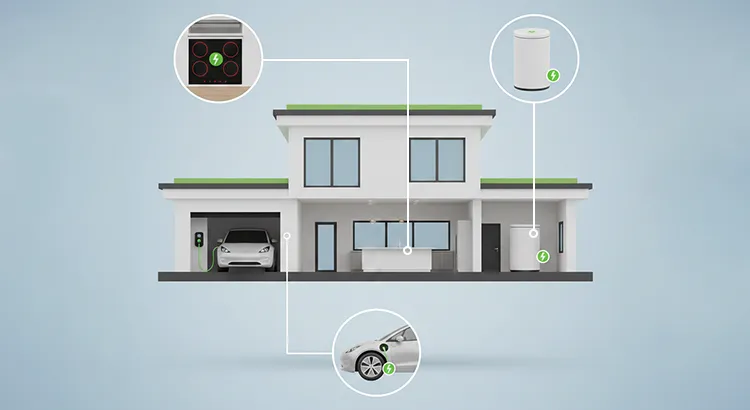
Home electrification, or going “all-electric,” means replacing appliances and systems that rely on gas or other fossil fuels with energy-efficient electric alternatives. Modern electric technologies are often more efficient, cheaper to operate, and easier to maintain than traditional gas systems.
Electrifying your home allows you to take advantage of advanced technologies such as heat pump hot water systems, induction cooktops, and reverse-cycle heating and cooling, which can significantly reduce energy consumption.
Beyond cost savings, switching to electric can lower your carbon footprint, improve indoor air quality by reducing fumes and pollutants, increase resilience during extreme weather events, and add long-term value to your property.
The benefits are further enhanced when combined with solar panels, home battery storage, and electric vehicles, providing both energy independence and greater control over household energy use.
The Key Areas to Electrify
There are four main areas to focus on when switching your home to electricity. Upgrading these systems not only reduces energy costs but also improves efficiency, comfort, and environmental performance.
1. Hot Water
Hot water use typically accounts for around 25% of household energy consumption, making it one of the most impactful areas to electrify. Switching from gas to electric systems, particularly heat pumps, can lead to significant long-term savings and energy efficiency:
- Heat pump hot water systems are highly energy-efficient, using up to 70% less energy than conventional electric heaters. They work by transferring heat from the air to warm water, rather than generating heat directly, which reduces electricity use.
- Electric resistance heaters are simpler to install and operate but are less energy-efficient, which can result in higher running costs over time.
- Government rebates and incentives, such as the Small-scale Renewable Energy Scheme (SRES), can help reduce the upfront costs of installing a heat pump system.
Heat pumps are a long-term investment that typically pays off over time, particularly in homes with rooftop solar panels. When selecting a system, consider household size, hot water demand, and space availability to ensure the system meets your needs efficiently.
2. Heating and Cooling
Heating and cooling represent another major portion of household energy use, and modern electric systems are far more efficient and flexible than traditional gas options.
- Reverse-cycle split-system air conditioners use heat pump technology to provide both heating and cooling efficiently. They can adjust to seasonal changes and maintain comfortable indoor temperatures year-round.
- Electric space heaters, hydronic floor heating, and heat shifters are additional electric alternatives that can suit different home layouts and preferences.
Compared to gas heaters, reverse-cycle systems can save hundreds of dollars annually in energy costs while significantly reducing household emissions. Integrating these systems with solar panels further maximises savings by utilising clean, renewable energy to power heating and cooling.
3. Cooking Appliances
Switching to electric cooking appliances provides both financial and environmental benefits, while improving safety and indoor air quality:
- Induction cooktops heat food faster and more efficiently than gas or traditional electric stoves, using electromagnetic energy to directly heat pots and pans rather than the air around them.
- Electric hotplates are a convenient option for households with smaller cooking needs or limited kitchen space.
Replacing gas cooktops also allows homeowners to disconnect their gas supply entirely, eliminating annual gas connection fees and reducing indoor pollutants, making your kitchen safer and healthier.
4. Electric Vehicles (EVs)
Transportation is another key area where electrification can make a major impact on energy costs and carbon emissions. Switching to an electric vehicle brings multiple benefits:
- Lower running costs: EVs can save up to 70% on fuel costs compared to petrol or diesel cars, depending on driving habits and electricity prices.
- Enhanced savings with solar: Charging your EV with home solar panels reduces electricity costs further, potentially leading to lifetime savings of tens of thousands of dollars.
- Energy flexibility: Advanced technologies such as vehicle-to-home (V2H) and vehicle-to-grid (V2G) systems allow EV batteries to supply electricity back to your home or even the grid during peak periods, providing backup power and additional energy efficiency.
Electrifying transportation not only reduces household emissions but also complements home electrification by integrating clean energy solutions across multiple aspects of daily life.
The Role of Solar Power in Electrification
Electrification works best when paired with solar power. By generating your own electricity, solar panels allow households to power electric appliances efficiently, reduce energy costs, and make the most of renewable energy.
Rooftop Solar Panels
Installing rooftop solar panels allows you to generate electricity directly from the sun, providing a clean and sustainable energy source for your home. This energy can power electric appliances during the day, helping to offset the electricity you would otherwise purchase from the grid.
Key benefits of rooftop solar include:
- Lower electricity bills: By generating your own electricity, you can reduce or even eliminate daily energy costs for many appliances.
- Faster payback when paired with electric appliances: Homes that switch to electric heating, cooking, and hot water systems use more electricity, which increases the value of the solar energy produced and speeds up the return on investment.
- Protection against rising energy prices: Solar energy helps shield households from fluctuations in electricity costs, providing long-term savings and greater financial predictability.
Electrified homes typically consume more electricity than gas-powered homes, but this higher demand actually improves solar self-consumption, maximising the efficiency of the system and increasing the overall value of your solar investment. Working with experienced solar panel installers ensures your system is correctly sized, safely installed, and optimised to support an all-electric home.
Home Batteries
Home battery storage complements solar panels by storing excess electricity for use when the sun is not shining or during power outages. Batteries enhance energy independence and provide more flexibility in managing household energy.
Reasons to consider a home battery include:
- Increased self-consumption of solar energy: Storing surplus solar electricity allows you to use it later, reducing reliance on the grid and improving the return on your solar system investment.
- Backup power capability: Batteries provide emergency power during blackouts, keeping essential appliances running when the grid is down.
- Reduced reliance on the electricity grid: By storing and using your own solar energy, you minimise dependence on external power, which can lower costs and increase energy resilience.
With battery prices gradually falling and new federal incentives becoming available from mid-2025, installing a battery is an increasingly practical and cost-effective option for Australian households. Paired with solar panels and an all-electric home, batteries play a critical role in maximising energy efficiency, financial savings, and sustainability.
Planning Your Home Electrification Journey
Going all-electric doesn’t have to happen all at once. A phased approach allows you to manage costs, make informed decisions, and get the best outcomes for your household. Careful planning ensures each upgrade delivers maximum savings, efficiency, and comfort.
- Assess your existing appliances: Identify gas-powered systems in your home and note which are nearing the end of their lifespan. For example, gas water heaters typically last 12 to 15 years, while cooktops can last 15 to 20 years. Appliances that are nearing end-of-life are ideal candidates for replacement with efficient electric alternatives.
- Prioritise high-impact upgrades: Focus first on appliances that use the most energy, such as heating systems, hot water, and cooling appliances. Replacing these first will usually provide the largest financial and environmental returns.
- Research replacement options: Explore the different electric appliances and systems available. Consider household size, daily energy use, and available space. Ask retailers about the right size and type of system for your needs, as undersized appliances can increase costs over time.
- Consider timing and logistics: Plan how and when to replace gas appliances. Some transitions are not straightforward, so having a clear plan avoids hasty like-for-like swaps. Prime opportunities include home renovations, new builds, or when appliances naturally reach the end of their lifespan.
- Budget and plan: Establish a budget and timeline for your electrification journey. Savings from your first upgrade can help fund subsequent replacements. Make sure to account for installation costs, electricity usage, and potential savings from solar or batteries.
- Explore rebates and assistance: Government programs, local council initiatives, and utility incentives can help lower upfront costs. Examples include rebates for heat pump hot water systems, induction cooktops, solar panels, and home batteries. Some councils or libraries may also allow you to hire or borrow tools to aid the transition.
- Seek advice and multiple quotes: Talk to friends or family who have recently upgraded appliances for practical insights. Check independent reviews, such as the CHOICE product review website, to compare appliances. Obtain multiple quotes from licensed installers and remember that the cheapest option is not always the best.
- Hire qualified professionals: Ensure all installations are carried out by licensed electricians or qualified installers. Proper installation guarantees safety, system efficiency, and compliance with regulations.
By following these steps, households can gradually transition to an all-electric home in a way that is safe, cost-effective, and sustainable. A clear plan also helps maximise energy savings, reduce emissions, and take full advantage of modern electric technologies.
Disconnecting Gas Safely
Once your home is fully electrified, stopping your gas supply can help reduce costs and simplify your energy setup. Only licensed professionals should perform this work to ensure safety.
There are two main options to stop the gas supply:
- Disconnection: A temporary closure that stops gas delivery to your home. The service can be restored later if needed. Your retailer can explain the available options.
- Abolishment: A permanent disconnection that completely removes your gas connection. This may not be possible in apartments due to shared infrastructure.
You will usually be charged for disconnection or abolishment, but it saves money in the long term by removing ongoing gas supply fees. Costs and procedures can vary depending on your location and retailer, so it is important to contact your gas provider for details.
For further guidance on planning, safety, and available support, refer to the home electrification guide.
Electrification When Renting
Renters generally have limited control over electrifying a home, as decisions about major appliance upgrades are made by the property owner. However, renters can still take an active role by discussing electrification options with their landlord, such as replacing gas appliances with efficient electric alternatives when systems reach the end of their lifespan.
The rights of renters vary across states and territories, so it is important to check local government guidelines to understand what changes can be requested or approved. Even without full electrification, renters may still reduce energy costs through efficient appliance use and by understanding available energy saving options relevant to rental properties.
Electrification Safety
Safety is a critical part of home electrification. In Australia, many types of electrical and gas work are legally restricted to licensed electricians and qualified gasfitters. Attempting this work without proper qualifications can be dangerous and may lead to serious safety risks.
To ensure appliances are installed correctly and systems operate safely, all electrification work should be carried out by certified professionals. Proper installation not only protects household members but also ensures compliance with regulations and supports long-term performance of electric systems.
Electrification Benefits at a Glance
| Area | Potential Annual Savings* | Lifetime Savings* | Additional Benefits |
| Heating (reverse-cycle AC) | $500+ | $8,500 | Lower emissions, year-round comfort |
| Hot Water (heat pump) | $250–$400 | $2,500–$5,400 | Energy-efficient, eco-friendly |
| Cooking (electric/induction) | $20–$250 | $4,700 | No indoor gas fumes, lower supply fees |
| Electric Vehicle | $1,500–$2,500 | $17,000–$35,000 | Reduced fuel & maintenance costs |
| Solar PV | $980–$2,200 | Varies by system | Renewable energy, reduced grid reliance |
*Estimates based on average Australian household energy use and 2025 costs.
Conclusion of Home Electrification
Home electrification is no longer just an environmentally friendly choice and can also make financial sense. By switching to electric appliances, integrating solar and battery storage, and considering an electric vehicle, households can reduce energy bills, lower emissions, and improve home comfort. Government incentives and rebates make the transition more achievable than ever.
Electrifying your home is a long-term investment in sustainability, cost savings, and energy independence. Begin by planning upgrades strategically, focus on the areas that provide the greatest impact first, and enjoy the benefits of a modern all-electric home. With careful planning and the right technologies, households can build a more efficient, resilient, and future-ready energy system.