
WA Battery Rebate 2026: What’s Changing in May and Why Act Now
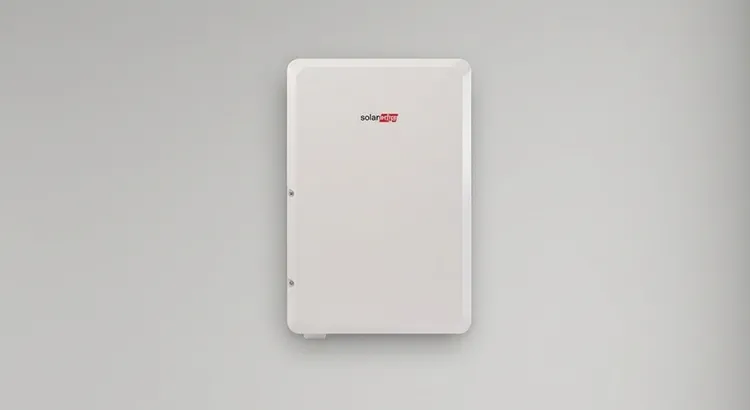
If you are planning to install a home battery in Perth, do it soon rather than waiting. From 1 May 2026, the federal Cheaper Home Batteries Program will move to a tiered rebate structure, while Western Power introduces new grid connection requirements on the same day.
At present, homeowners can still access the full benefit of the WA Residential Battery Scheme, along with federal STC incentives and interest-free loan options. This combination makes current installations more straightforward and financially attractive.
Because both rebate changes and technical rules begin together, the timing of your installation determines which set of conditions applies.
This guide explains how the current rebate structure works, what will change from May 2026, and how to approach a battery installation decision with these updates in mind.
How the WA Battery Rebate Works Right Now
Western Australia’s battery incentives are built around three separate programs, and the overall benefit depends on how they work together.
- WA Residential Battery Scheme: Introduced in July 2025, this state rebate is calculated based on usable battery capacity. Synergy customers can receive $130 per kWh, capped at $1,300 for a typical 10 kWh system. In regional areas, Horizon Power customers receive a higher rate of $380 per kWh, with a maximum of $3,800. The scheme allows for up to 100,000 installations across the state, and as of early 2026, allocations are still available.
- Federal Cheaper Home Batteries Program: This program reduces upfront costs through Small-scale Technology Certificates (STCs). For a standard 10 kWh battery, the current benefit is approximately $3,700, which is close to 30% of the total installed cost.
- Interest-Free Loan Option: Eligible homeowners can access financing of up to $10,000 through Plenti, repayable over 10 years with zero interest, making it easier to manage the remaining balance after rebates.
When these three are combined, the total support becomes substantial. A Synergy customer installing a 10 kWh battery can receive around $5,000 in combined rebates, along with interest-free financing on the remaining amount. For Horizon Power customers, the total benefit can reach $7,500 or more.
In practice, many homeowners are surprised by how much these incentives reduce the final cost. Once all available support is applied, a quality battery system often becomes far more affordable than initially expected.
What’s Changing on 1 May 2026: The Federal STC Tiering
This is where the changes begin to have a real impact. From 1 May 2026, a tiered STC structure will be introduced, changing how battery rebates are calculated based on system size.
At the moment, the STC factor is applied evenly across the entire battery capacity. Whether the system is 5 kWh or 20 kWh, every kilowatt-hour receives the same level of support. From May, this shifts to a three-tier approach:
| Battery Capacity Band | STC Factor Applied |
| 0–14 kWh | 100% (no change) |
| 14.01–28 kWh | 60% of full STC factor |
| 28.01–50 kWh | 15% of full STC factor |
In practical terms, smaller systems remain largely unaffected. A standard 10 kWh battery, such as a Tesla Powerwall 3 or Sungrow SBR, will continue to receive the full STC factor across its entire capacity.
The difference becomes clear with larger systems. For example, in a 20 kWh setup, only the first 14 kWh qualifies for the full rate, while the remaining capacity is calculated at a reduced percentage.
For a 20 kWh system, this results in an estimated reduction of around $600 to $900 in federal rebate compared to installations completed before 1 May 2026.
The intention behind this structure is to maintain meaningful support for typical household systems while limiting how much of the expanded $7.2 billion program is allocated to larger installations.
The program will continue through to 2030, and the STC factor will also reduce gradually each year, meaning installations completed in 2026 receive higher per-kWh savings than those completed later.
For the official announcement and full details on the 1 May 2026 changes, you can view the Clean Energy Regulator’s update explaining the upcoming battery rebate changes in detail.
New WA Grid Connection Rules from May 2026
The updates coming in May 2026 are not limited to rebates. Western Power is also introducing new connection requirements that will apply to solar and battery systems across the South West Interconnected System (SWIS).
The main change relates to how electricity can be exported back to the grid. From May, new systems must be set up under one of two options. One option includes remote disconnection capability, which allows full access to DEBS feed-in tariffs and supports VPP participation. The other option does not include this feature and limits export to 1.5 kW.
For homeowners installing a battery under the WA Residential Battery Scheme, these requirements are already covered, as eligible systems are designed to meet the updated standards. However, if you are planning a solar and battery upgrade together, these changes may affect how the system is planned and installed.
Systems installed before 1 May 2026 will remain as they are and will not need to follow the new connection rules.
The Financial Case for Battery Storage in Perth
Even without considering the May deadline, battery storage is becoming increasingly practical in Perth from a cost perspective. Several local factors contribute to this.
Perth benefits from an average of around 5.8 peak sun hours per day, placing it among the strongest solar-producing cities in Australia. With a properly sized solar system, many households generate more electricity during the day than they actually use. However, under the Distributed Energy Buyback Scheme (DEBS), excess energy exported to the grid earns only 2 cents per kWh between 9am and 3pm.
At the same time, electricity drawn from the grid under Synergy’s A1 residential tariff costs 32.37 cents per kWh.
This gap is what makes battery storage valuable. Instead of exporting low-value electricity and buying it back later at a higher rate, stored energy can be used in the evening. Each kilowatt-hour shifted this way delivers a saving of roughly 30 cents.
Over the course of a year, a 10 kWh battery that cycles regularly can reduce electricity costs by approximately $1,000 to $1,400. When rebates and interest-free financing are included, the typical payback period for a quality system falls within 4 to 7 years, while most batteries are backed by warranties of 10 to 15 years.
In real-world usage, households that combine solar generation with battery storage often see significant reductions in their electricity bills, commonly in the range of 70% to 90%. This shifts electricity from a major ongoing expense to a much smaller part of overall household costs.
Which Battery Systems Offer Best Value in Perth?
Selecting the right battery is not just about brand or size. It depends on how much energy your household uses, the capacity of your solar system, and whether you plan to add features like EV charging in the future. Below is a comparison of some of the commonly used battery options suited to Perth conditions in 2026:
| Battery | Usable Capacity | Warranty | Key Strength | Approx. Price (Before Rebates) |
| Tesla Powerwall 3 | 13.5 kWh | 10 years | Built-in inverter, user-friendly control | $12,000–$14,000 |
| Sungrow SBR 9.6 | 9.6 kWh | 10 years | Modular design, easy expansion | $8,000–$10,000 |
| BYD HVS/HVM | 5.1–22.1 kWh | 10 years | Flexible sizing, strong value proposition | $7,500–$16,000 |
| Sigenergy SigenStor | 10–30 kWh | 10 years | Integrated system with DC EV charging | $11,000–$20,000 |
All of these systems are CEC-approved and meet the requirements for participation under the WA Residential Battery Scheme, including compatibility with VPP programs.
One option gaining attention is the Sigenergy system, which combines the inverter, battery, and DC EV charger into a single unit. For households planning to include electric vehicle charging as part of their setup, this integrated design can streamline installation and potentially lower overall system costs.
In general, the best results come from matching the battery size to your actual usage rather than choosing the largest available option. A well-matched 10 kWh system paired with an appropriately sized solar array will typically perform more efficiently than a larger system that is not fully utilised.
VPP Participation: What You Need to Know
To access the WA battery rebate in 2026, enrolling in a Virtual Power Plant (VPP) is a mandatory condition. Without joining an approved VPP program, the state rebate cannot be claimed.
A VPP works by linking individual home batteries into a coordinated network. These systems are managed collectively to support the grid during periods of high demand. As part of this setup, your battery may occasionally export stored energy back to the grid during peak times, such as hot weather events or evening demand surges.
Current VPP options include Synergy Battery Rewards, Horizon Power’s Community Wave, Plico’s VPP, along with other programs that meet the required value-sharing guidelines.
For most households, the day-to-day impact is limited. Dispatch events do not occur frequently, and when they do, households are typically compensated for the energy supplied. In many cases, this creates an additional financial benefit alongside the savings from using stored solar energy.
Research published in the Energy Policy journal has examined how VPP participation affects household energy outcomes. Findings indicate that, in most situations, the combined benefit of rebates and VPP participation outweighs the occasional export of stored energy, resulting in a net positive outcome for households.
How to Claim Your WA Battery Rebate Before May 2026
To secure the full rebate before the changes take effect on 1 May, the process generally follows these steps:
- Start with an energy assessment: The battery should be sized based on your actual electricity usage and existing solar system. A qualified solar installer will review your Synergy usage data and recommend a setup that improves self-consumption.
- Select an eligible battery and VPP option: Choose a system that meets the required standards and is listed as CEC-approved. VPP enrolment is typically arranged by the installer as part of the overall setup.
- Check eligibility requirements: You must be a residential customer connected to either the Synergy or Horizon Power network. Property ownership, or approval from the owner, is required, along with an existing solar system or a plan to install one with the battery.
- Submit applications for rebates and financing: The rebate and interest-free loan are usually handled through your installer. The benefit is applied upfront, reducing the amount you need to pay at installation.
- Complete installation before the deadline: The applicable STC value is determined by the installation date, not when you sign up. To receive the current rebate level, the system must be installed and commissioned before 1 May 2026.
Because demand tends to increase ahead of major changes, installation schedules can fill quickly. It’s common for lead times to extend to several weeks, especially for high-demand battery models, so starting early helps avoid delays.
Conclusion: Act Before the May Deadline
The WA battery rebate in 2026 offers a level of financial support that makes home battery systems far more attainable for Perth households. With a mix of state incentives, STC discounts, and interest-free loan options, total savings can reach $5,000 or more, but these conditions will not remain the same beyond 1 May 2026.
As the deadline gets closer, rebate levels begin to change, grid requirements become more restrictive, and installation demand increases. Leaving it too late can mean fewer options and reduced overall value.
Homeowners who act early are in the best position to take full advantage of the current incentives. Get a solar battery quote today to secure current rebates and maximize your savings before the changes take effect.
Frequently Asked Questions
How much support is available under the WA battery rebate in 2026?
Eligible households in Western Australia can access a combination of incentives when installing a home battery system. The state program provides a fixed payment based on usable battery capacity, while the federal scheme adds an additional discount through STC-based rebates. Together, most households can expect total assistance of up to around $5,000. In addition, some finance providers offer interest-free loan options that allow part of the upfront cost to be spread out over time.
What changes are expected from 1 May 2026?
From 1 May 2026, adjustments will apply to how federal incentives are calculated. Smaller battery systems will continue to receive full benefit under the updated structure, but larger systems will receive reduced support on the higher capacity portions. The state-level rebate remains unchanged, but the overall combined benefit may differ depending on system size and design.
Is participation in a VPP required to access the rebate?
Yes. To qualify for the state incentive, households must enrol their battery in an approved Virtual Power Plant program. These programs allow distributed batteries to support the electricity grid during peak demand. Several approved VPP options are available through different providers, and installation partners typically assist in selecting and registering the appropriate program.
What kind of savings can a home battery deliver on electricity bills?
Savings vary depending on usage patterns, but a typical residential battery system in Perth can significantly reduce evening grid consumption. By storing daytime solar energy and using it during peak tariff periods, households can avoid higher electricity rates and improve overall solar self-consumption, often resulting in meaningful annual bill reductions.
Should homeowners wait for battery prices to fall further?
While battery technology continues to improve and costs gradually trend downward, available rebates are also being reduced over time. In many cases, reductions in incentive value offset or exceed any price decreases in hardware. As a result, delaying installation may lead to a higher total cost despite lower equipment pricing.
Can an existing solar system be upgraded with a battery?
Yes. Most residential solar setups can be upgraded with battery storage. In some cases, an additional hybrid inverter may be required depending on the existing system configuration. Retrofit installations remain eligible for both state and federal incentive programs, provided all other criteria are met.