
Common Solar Panel Problems and Smart Ways to Prevent Them
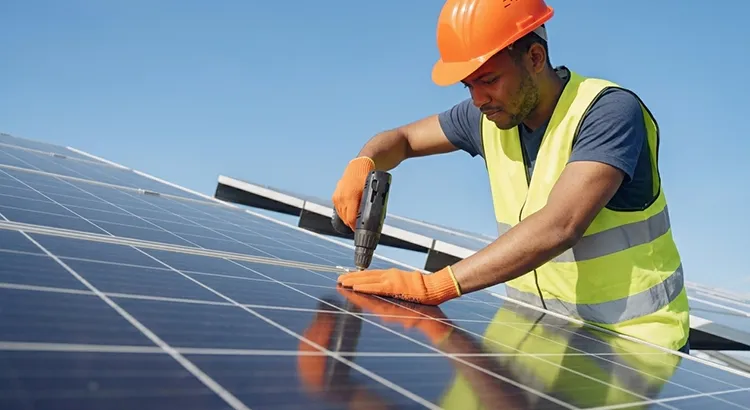
Understanding common solar panel problems helps homeowners protect the performance and lifespan of their solar energy systems. Solar panels are designed to be reliable and long-lasting, but like any technology installed outdoors, they can face occasional challenges.
Factors such as shading, dirt accumulation, severe weather, and lack of maintenance may reduce efficiency over time. Fortunately, most of these concerns are preventable with simple awareness and regular upkeep.
By learning what affects system performance and taking proactive steps, homeowners can keep their solar installations running efficiently for many years. The following guide explains several typical challenges and practical ways to prevent them so your system continues producing clean and consistent electricity.
Common Solar Panel Problems and Solutions
Solar energy systems are generally low-maintenance, yet certain conditions may affect their output if they are ignored for long periods. Many homeowners encounter minor solar panel issues that can be resolved easily with proper care and monitoring. Below are several frequently reported problems and practical ways to prevent them before they impact system performance.
Problem 1: Can Solar Panels Work in Shade?
Solar panels depend on sunlight to generate electricity, so shading can reduce how much energy the system produces. When nearby trees grow taller or when new structures cast shadows across the roof, panels may receive less direct sunlight. Even partial shade during certain hours of the day can lower overall power generation.
This situation is one of the common solar panel problems experienced by homeowners with rooftop installations, particularly in areas where vegetation grows quickly. Shade can affect individual panels differently depending on how the system is designed. If several panels are connected in a single string, one shaded panel may influence the performance of the others.
Another factor to consider is seasonal change. Trees that do not block sunlight during winter months may cast larger shadows in summer when foliage becomes denser.
How to Prevent This Issue
The best way to reduce shading concerns is careful planning during installation. Expert solar installers usually evaluate roof orientation, nearby buildings, and surrounding trees to determine the most suitable panel placement.
Regular tree trimming also helps maintain proper sunlight exposure. Homeowners should periodically check whether branches have grown into the path of sunlight reaching the roof.
Modern systems may also include microinverters or power optimisers that allow panels to operate more independently. This means that if one panel experiences shade, the others continue generating electricity with minimal impact.
By maintaining clear sunlight access, homeowners can avoid one of the most frequent problems with solar panels on roofs and preserve steady energy production.
Problem 2: Does Dirt Affect Solar Panels?
Dust, bird droppings, pollen, leaves, and other debris can gradually accumulate on the surface of solar panels. While the glass covering panels is designed to be durable and smooth, heavy buildup can block sunlight from reaching the photovoltaic cells beneath.
When the surface becomes dirty, the system absorbs less sunlight and produces less electricity. Even small layers of dust may slightly reduce efficiency over time. In areas with limited rainfall or dry climates, dirt buildup can remain on panels for extended periods.
These types of solar panel issues are often overlooked because they develop slowly. Homeowners might not immediately notice the drop in energy output until checking their monitoring system or utility savings.
How to Prevent This Issue
Fortunately, preventing dirt buildup is relatively simple. Solar panels are usually installed at an angle so that rainfall naturally washes away loose dust and debris. However, natural cleaning may not always be enough in dry regions or during long periods without rain.
Occasional cleaning helps maintain optimal performance. Homeowners can gently rinse panels with water to remove dust and surface buildup. Using soft cleaning tools is recommended to avoid scratching the protective glass.
For rooftops that are difficult to access, professional cleaning services provide a safer alternative. Scheduling professional cleaning once or twice a year can help keep panels operating efficiently.
Regular cleaning ensures sunlight reaches the photovoltaic cells without obstruction, allowing the system to maintain strong energy production.
Problem 3: Are Solar Panels Weather Resistant?
Solar panels are built to handle outdoor conditions such as rain, heat, and wind. However, extreme weather events can occasionally cause physical damage. Hailstorms, falling debris, or strong winds may crack the glass surface or affect mounting structures.
Although high-quality panels undergo rigorous durability testing, severe storms may still cause problems in rare situations. Small cracks, scratches, or loosened components may affect performance if they remain unnoticed.
Weather-related damage is another example of common solar panel problems, particularly in regions that experience intense seasonal storms.
How to Prevent This Issue
After severe weather events, it is helpful to visually inspect the system from the ground to check for obvious signs of damage. Cracks, displaced panels, or unusual debris on the roof should be examined by a qualified solar technician.
Professional inspections ensure that any damage is identified early before it affects the system’s output. Prompt attention to potential damage can help prevent further complications and maintain the overall efficiency of the solar installation.
Choosing high-quality panels and strong mounting systems during installation also improves resilience against challenging weather conditions. With proper installation and occasional checks, solar panels can continue functioning reliably in most environments.
Problem 4: System Downtime from Neglected Maintenance
Solar systems are often described as low-maintenance, but that does not mean they should be ignored completely. Over time, minor technical concerns may develop within the system components, such as wiring connections, inverters, or monitoring devices.
If these small concerns are not addressed early, the system may stop producing electricity temporarily. This downtime can reduce energy savings and require more complex repairs later.
Many homeowners first notice these solar panel issues when reviewing energy production data. A sudden drop in output or unusual performance patterns may indicate that something within the system needs attention.
How to Prevent This Issue
Routine system monitoring helps detect problems early. Most modern solar installations include monitoring software that tracks daily energy production. Checking the system’s performance regularly allows homeowners to identify unexpected changes in output.
If energy generation drops significantly without a clear reason such as cloudy weather, it may be time to contact a technician.
Periodic inspections from qualified solar professionals also help maintain system reliability. These inspections typically involve checking electrical connections, inverter performance, and mounting stability.
This type of preventive care is sometimes referred to as solar panel troubleshooting, where technicians analyse system data and inspect components to locate potential concerns before they escalate.
Consistent monitoring and maintenance keep the system operating smoothly and minimise the risk of unexpected downtime.
Summary of Common Solar Panel Problems
Solar energy systems are designed to operate efficiently for decades, yet occasional challenges may appear if panels are exposed to shade, dirt buildup, severe weather, or long periods without maintenance.
By understanding these situations and responding early, homeowners can protect the long-term performance of their solar investment. Regular inspections, basic cleaning, proper installation planning, and system monitoring all help reduce the likelihood of performance drops.
While minor solar panel issues can occur from time to time, proactive care ensures that solar panels continue producing reliable, clean energy for many years.