- More
- Back
Choose the best packages of 6.6 kw solar system in Perth
$4490 Limited Time Offer
$5290 Limited Time Offer
A 6.6 kW solar system with a 5 kW solar inverter is a popular choice for many households, offering substantial energy production potential. However, its sufficiency depends on your specific energy consumption. While it can cover a significant portion of your electricity needs, homes with exceptionally high energy demands may find it insufficient.
Factors like location, panel orientation, and the availability of net metering and energy storage solutions also impact its adequacy. Consulting a solar expert is advisable to determine if this system size suits your residential solar system requirements.
The cost of our 6.6 kW solar system package in Perth is designed to be affordable while maintaining high quality. At Fritts Solar, we use reliable, premium brand components to ensure long-term performance and efficiency. Our goal is to provide a cost-effective solar solution that delivers excellent value, helping homeowners reduce electricity bills while investing in clean, sustainable energy.
The installation timeline for a 6.6 kW solar system can vary based on several factors. Typically, the solar panel installation itself can be completed in a single day. However, the overall duration might extend depending on the specific system requirements. If you’re incorporating additional components like a battery and inverter, which are common for larger systems like a 6.6 kW setup, the installation process may span over two days or more. This is because these components require careful integration and connection to ensure optimal functionality.
Moreover, factors such as the complexity of the roof structure, weather conditions, and the experience of the installation team can also influence the installation timeline. It’s advisable to consult with your chosen solar provider for a more accurate estimate based on your unique project specifications.
A 6.6 kW solar system typically requires approximately 29.7 to 31.7 square meters of suitable rooftop space, based on panels measuring around 1.8 meters x 1.1 meters. However, it’s important to note that the actual space requirement can vary depending on the specific solar panels used and their efficiency.
To ensure that your rooftop can accommodate the system, our installation team conducts a thorough inspection of the location. This inspection takes into account factors such as the orientation of the panels, shading, and any other potential obstructions that might affect the system’s performance. This personalized assessment ensures that your solar installation is optimized for your available space, allowing you to harness clean energy effectively.
The amount of electricity generated by a 6.6 kW solar system per day depends on factors such as location, sunlight exposure, weather conditions, and system efficiency. On average, a 6.6 kW solar system can produce between 20-30 kWh (kilowatt-hours) per day. However, this can vary.
Investing in a 6.6 kW solar system can be worth it for many homeowners, as it offers several benefits. It can significantly reduce or even eliminate electricity bills, provide a reliable source of renewable energy, increase the value of your property, and contribute to reducing carbon emissions. Additionally, with government incentives and decreasing installation costs, solar systems offer attractive returns on investment over time.
The suitability of a 6 kW solar system for powering a house depends on the household’s energy consumption. Typically, a 6 kW system can meet the electricity needs of a medium-sized household with moderate energy usage. However, larger households or those with higher energy demands may need a larger system or additional power sources. Learn more about other solar packages in Perth to find the perfect system for your home.
Yes, a 6 kW solar system can be paired with battery storage. This combination allows you to store excess energy produced during the day for use during the night or cloudy days, further reducing reliance on the grid.
The number of panels required for a 6.6 kW solar system in Perth depends on the wattage of each panel. Most modern solar panels range between 400 W and 440 W. Based on this, a 6.6 kW system usually requires around 15 to 17 solar panels. The exact number may vary depending on the panel efficiency and the system design chosen by the installer.
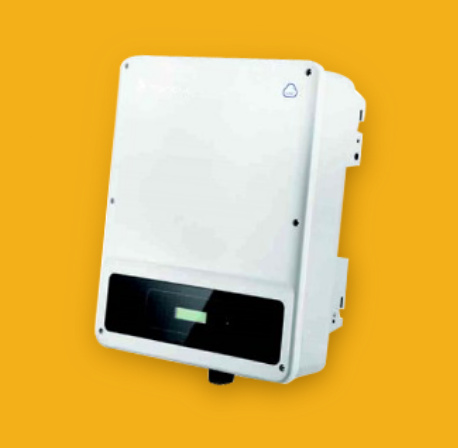
A 5 kW solar inverter is commonly paired with a 6.6 kW solar panel system in Perth. This setup is allowed under local grid regulations and helps optimize performance and system efficiency. The slightly larger panel capacity allows the system to generate more power during peak sunlight hours. Get a free quote today to find the best 6.6 kW solar system and inverter solution for your home in Perth.
The payback period for a 6.6 kW solar system typically ranges between 3 to 5 years, depending on electricity usage, energy prices, and available government incentives. Households that use more electricity during the day often see faster returns because they consume more of the solar energy they generate.
Yes, a 6.6 kW solar system in Perth is eligible for the Small-scale Technology Certificates (STCs) under the Australian Government’s renewable energy program. These certificates help reduce the upfront cost of installing solar by providing a financial incentive based on the system size and expected energy generation. Our team includes the STC rebate in the quote so customers can receive the benefit as a discounted system price.
A standard grid-connected 6.6 kW solar system will not operate during a power outage for safety reasons. The system automatically shuts down to prevent electricity from flowing back into the grid while maintenance workers may be repairing lines. However, installing a battery with backup capability can allow limited power supply during outages.
Yes, a 6.6 kW solar system can be upgraded depending on the inverter capacity, available roof space, and local grid regulations. Our local solar installers in Perth can assess your current system and recommend suitable upgrade options. This may include adding more solar panels, installing a larger inverter, or integrating battery storage to increase energy production and improve overall efficiency.