- More
- Back
A 10.5 kW solar panel system is typically sufficient to power a house, with potential surplus energy for battery charging and creating an energy reserve. This reserve can be utilized during nighttime or periods of low solar output. Thus, it can effectively meet your property’s energy needs, ensuring continuous power supply.
A 10.5 kW solar system in Perth might cost different amounts depending on the brand, component quality, installation requirements, and other features like battery storage. Incentives and the state of the market may also have an impact on prices. For precise price, it’s best to get quotes from reliable suppliers.
A 10.5 kW solar system’s installation time in Perth may vary depending on a number of factors, including the installation’s complexity, the local climate, and the availability of space for the installation. Installations are usually finished quickly, but the precise time may differ. It is advised to go over deadlines with the installer of choice.
In general, a 10.5 kW solar system needs more roof area than smaller systems. The precise area required can change based on things like the efficiency, configuration, and size of the panels. It’s crucial to speak with solar specialists that can evaluate your roof and give precise installation space needs.
The electricity generation of a 10.5 kW solar system depends on sunlight exposure, panel orientation, weather conditions, and overall system efficiency. In Perth’s favorable solar climate, a well-installed 10.5 kW system can typically produce around 40 to 48 kWh of electricity per day on average. Energy production may be higher during summer months and slightly lower during winter.
For many Perth-based households with higher electricity usage, a 10.5 kW solar system can be a valuable long-term investment. The larger capacity allows the property to generate more solar energy during the day, which can significantly reduce reliance on grid electricity and lower power bills. With Perth’s strong sunlight conditions, this system size can provide consistent energy production throughout the year.
Yes, a 10.5 kW solar system can be integrated with battery storage. A solar battery stores excess electricity produced during the day so it can be used later in the evening or during periods of low solar generation. This setup can help increase energy independence and make better use of the energy generated by the solar panels.
The number of panels required depends on the wattage of each solar panel used in the system. Most modern solar panels range between 400 W and 440 W. Based on this range, a 10.5 kW solar system generally requires approximately 24 to 27 solar panels. The exact number may vary depending on panel efficiency and the final system design.
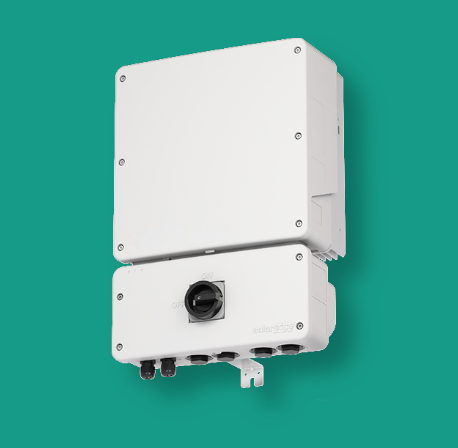
A 10 kW inverter is typically selected for a 10.5 kW solar panel system. The inverter converts the electricity generated by the solar panels into usable power for the property. The inverter size is chosen to ensure the system operates efficiently while also meeting local grid connection requirements.
The payback period for a 10.5 kW solar system can vary depending on electricity consumption, energy prices, and available incentives. In many cases, homeowners in Perth recover the system cost within approximately 4 to 6 years through reduced electricity bills and solar energy savings.
Yes, a 10.5 kW solar system may qualify for incentives under the Australian Government’s Small-scale Renewable Energy Scheme. Eligible systems receive Small-scale Technology Certificates (STCs), which help reduce the upfront installation cost. The value of the rebate depends on the system size and expected energy production.
A standard grid-connected 10.5 kW solar system will automatically shut down during a power outage for safety reasons. This prevents electricity from feeding back into the grid while repairs or maintenance are being carried out. For properties in Perth and nearby areas that require backup power, a solar battery with backup capability can supply stored electricity when the grid is unavailable.
Yes, upgrading a 10.5 kW solar system may be possible depending on factors such as inverter capacity, available roof space, and local grid regulations. Solar professionals can assess the current system and suggest suitable improvements. Upgrades may include installing additional panels, integrating battery storage, or replacing components to enhance energy generation and efficiency.